
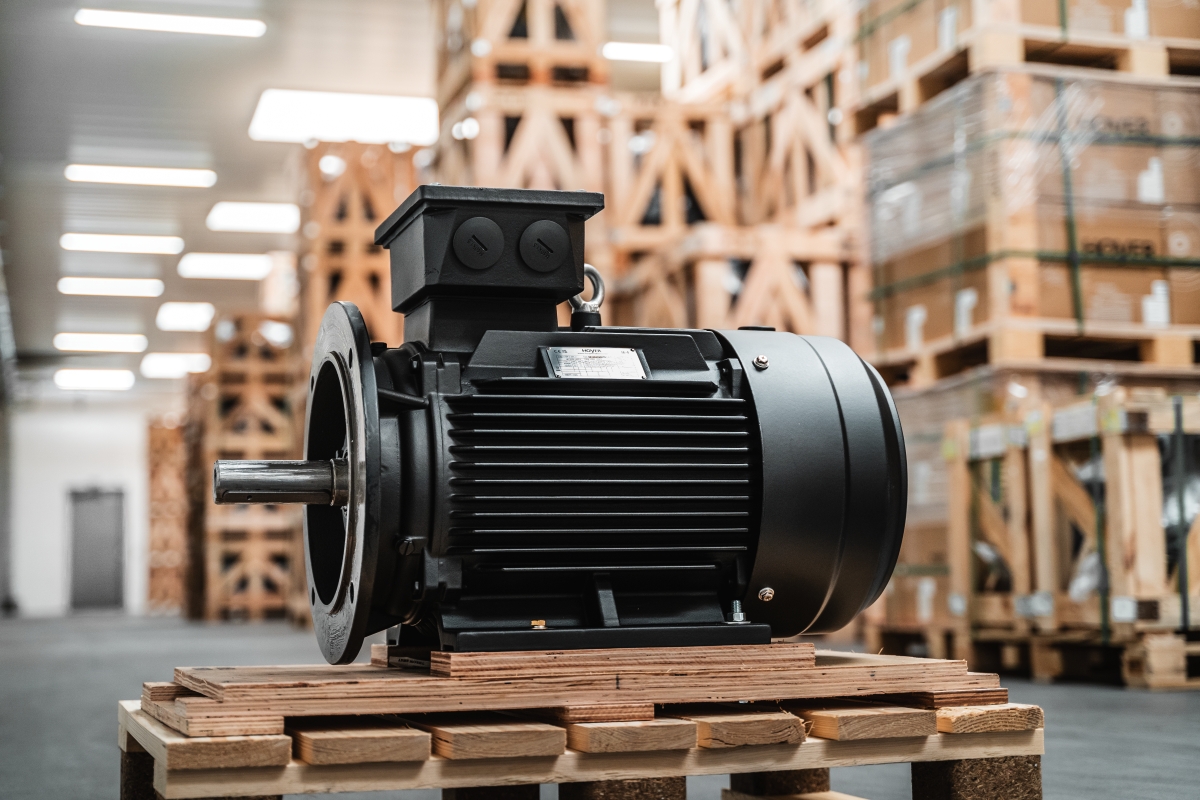
Hoyer Marine IE4 Super Premium Motors
Engineered for maximum fuel efficiency and zero emissions compliance. Available in cast iron frames from IEC 160 to 560, offering ultra-low losses during continuous main propulsion and shaft generator operation.
An authoritative guide for global shipowners, naval architects, and shipyard procurement teams. Discover technical benchmarks for main propulsion, azimuth thrusters, and hybrid marine drives engineered for extreme reliability and zero-emission compliance.
Selecting the optimal vessel propulsion motors requires navigating a complex intersection of thermal dynamics, variable frequency drive (VFD) electrical stress, structural resonance, and strict classification society rules. Marine electric propulsion is no longer limited to specialized research vessels or subsea support craft; it has become the standard for modern commercial ferries, offshore supply vessels (OSVs), tugboats, container feeder ships, and hybrid icebreakers.
At Hoyer Motors (part of Hoyer VMS Group), our 50+ years of hands-on application experience has demonstrated that marine electric propulsion drives face challenges fundamentally different from land-based industrial motors. A vessel’s main propulsion or bow thruster motor operates under continuous S1 or heavy S6 duty in high ambient humidity (up to 95%), salt-spray atmospheres, and fluctuating ambient temperatures reaching 45°C–50°C in engine room compartments.
To eliminate catastrophic down-time, vessel propulsion motors must incorporate specialized engineering features:
High-frequency pulse-width modulation (PWM) from modern VFDs generates severe voltage spikes ($\text{d}V/\text{d}t$). Hoyer propulsion motors use Class H insulation systems, vacuum pressure impregnation (VPI), and reinforced phase insulation to prevent partial discharge and winding breakdown.
Common-mode voltages induced by frequency converters can cause electrical bearing fluting. We integrate insulated non-drive end (NDE) bearings and hybrid ceramic options alongside micro-fiber shaft grounding rings to guarantee long bearing operational life.
By utilizing Class F temperature rise allowances (80K) on Class H insulated materials (180°C capacity), our motors maintain a substantial thermal safety cushion during prolonged overload or dynamic positioning (DP2/DP3) maneuvers.
From low-voltage auxiliary thrusters to medium-voltage main propulsion, explore Hoyer’s fit-for-purpose electric motor range designed for maximum efficiency and seamless shipyard integration.
Engineered for maximum fuel efficiency and zero emissions compliance. Available in cast iron frames from IEC 160 to 560, offering ultra-low losses during continuous main propulsion and shaft generator operation.
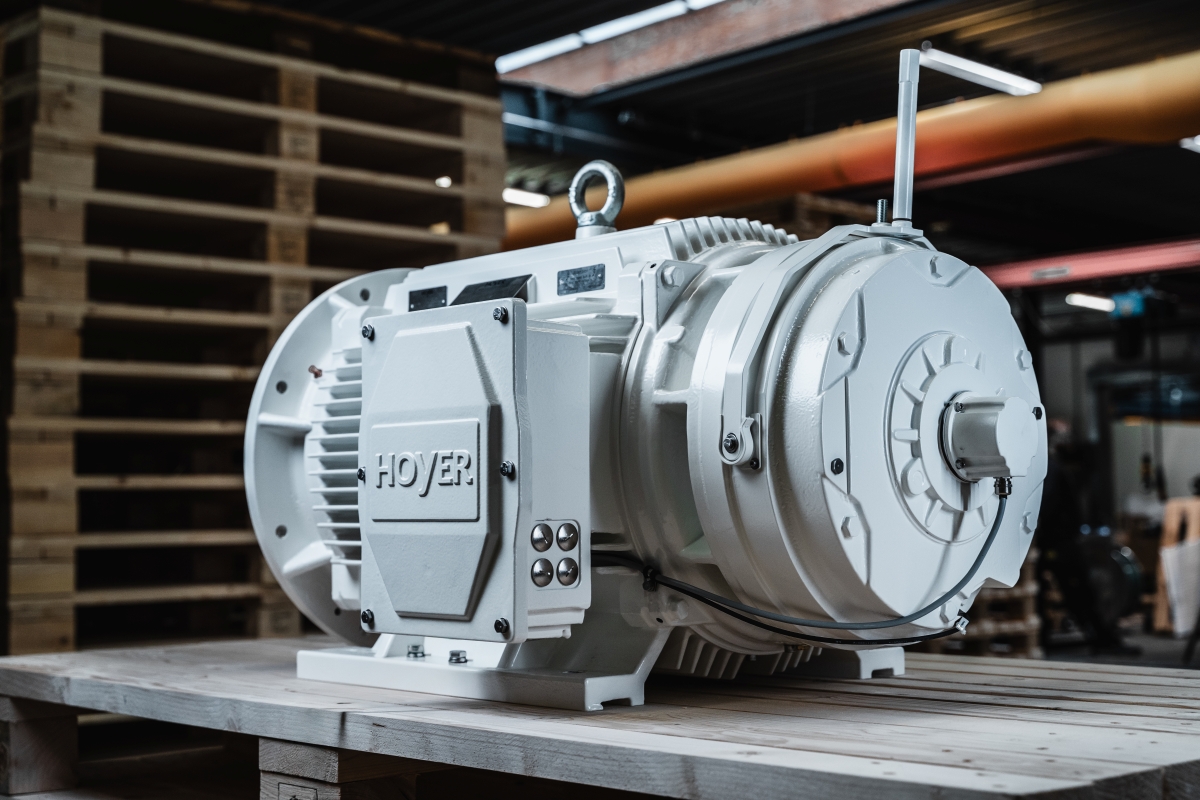
Specifically designed for dynamic positioning and maneuverability. Features high peak torque capabilities, low rotor inertia for fast dynamic response, and customized shaft dimensions for direct pod or tunnel mounting.
ATEX / IECEx certified motors (Ex d, Ex eb, Ex ec) for tanker propulsion, LNG carrier cargo pumps, and high-power medium voltage main drives up to 11 kV with liquid water-to-air heat exchangers (IC81W).
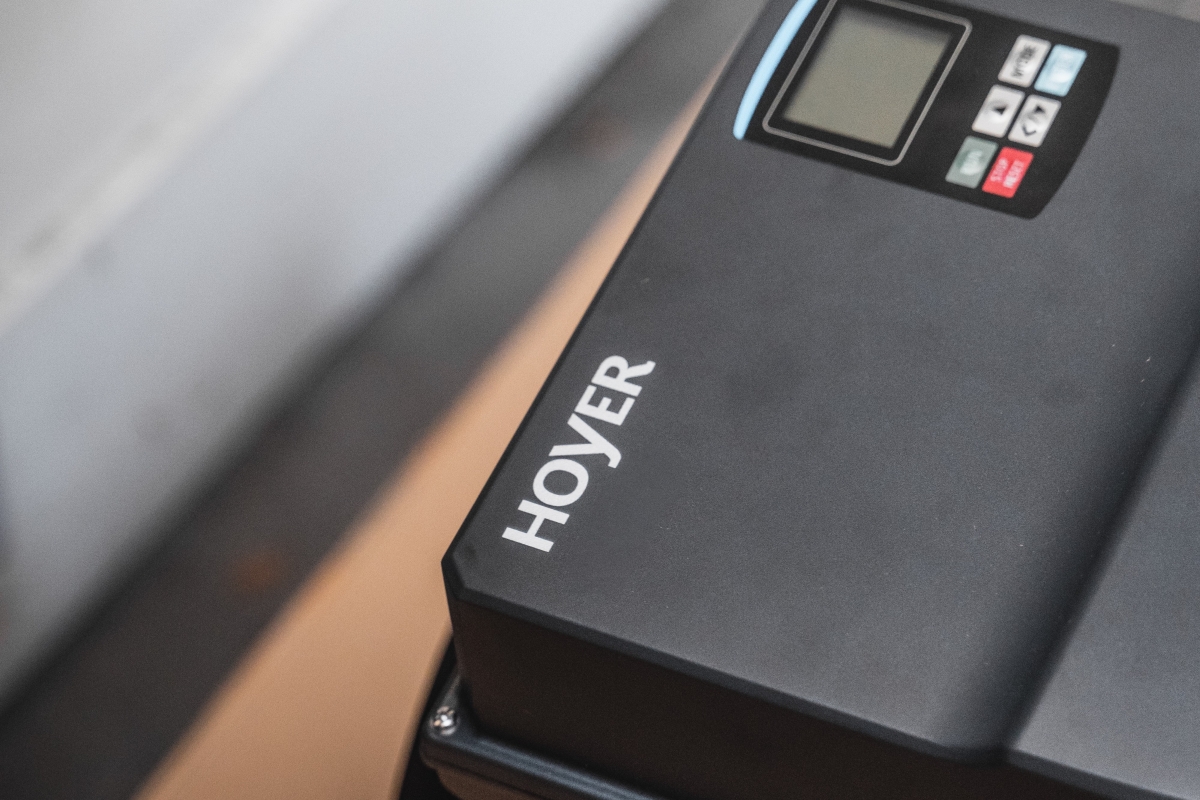
Integrated electric drive packages featuring frequency converters, smart vibration sensors, and real-time thermal monitoring. Reduces vessel fuel consumption by up to 30% in variable load profiles.
The global maritime industry is experiencing a profound paradigm shift driven by International Maritime Organization (IMO) carbon reduction targets, the Carbon Intensity Indicator (CII), and Energy Efficiency Existing Ship Index (EEXI) regulations. Procurement managers and technical directors are re-evaluating propulsion choices based on Total Cost of Ownership (TCO) rather than upfront capital expenditure (CAPEX).
Shipyards are standardizing on diesel-electric, battery-electric, and methanol/ammonia fuel-cell hybrid architectures. Electric propulsion motors act as the universal mechanical interface, allowing vessels to change power generation sources without altering shaftlines.
While robust induction motors remain dominant in low-voltage applications, high-torque Permanent Magnet Motors (PMSM) are gaining massive traction in azimuth pods due to their superior torque density and uncompromised light-load efficiency.
Space constraints in modern engine compartments are driving the adoption of liquid-cooled (IC71W / IC81W) propulsion motors. Water-cooling reduces motor physical volume by up to 40% compared to traditional air-to-air frame cooling while lowering engine room noise levels.
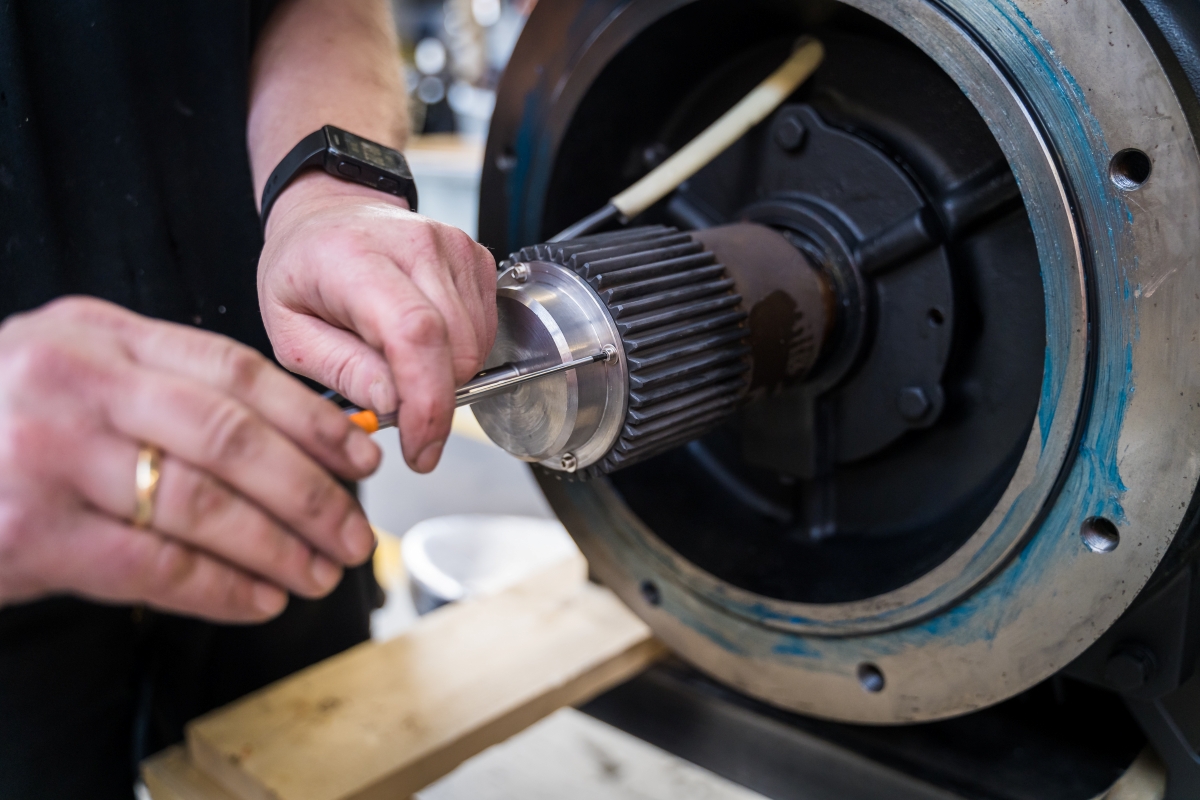
How cutting-edge motor design, materials science, and digital diagnostics are reshaping the reliability and efficiency of marine electric propulsion systems.
Naval defense, oceanographic research, and luxury cruise sectors demand strict underwater radiated noise (URN) control (DNV SILENT class). Advanced electromagnetic rotor skewing, low-harmonic windings, and finite element vibration analysis ensure near-silent motor operation across all speed ranges.
Modern vessel propulsion motors are equipped with integrated tri-axial vibration sensors, PT100 bearing/winding thermal sensors, and cloud telemetry. Vessel operators can now predict bearing fatigue, insulation degradation, and shaft misalignment months before physical failure occurs during sea voyages.
With stringent EU taxonomy and corporate sustainability metrics, propulsion motors are designed for 98% recyclability at end-of-life. Utilizing low-loss electrical steel sheets (0.35mm or thinner) and eco-friendly impregnation resins minimizes life-cycle carbon footprints from manufacturing to decommissioning.
For over 50 years, Hoyer has set the benchmark in electric motor reliability. We combine Nordic engineering precision with rapid global logistics to keep your fleet in motion.
Contact UsOur deep application knowledge guarantees that every motor meets the exact mechanical, electrical, and thermal requirements of demanding marine environments. We don't sell off-the-shelf motors; we provide engineered marine propulsion solutions.
Unplanned drydocking or offshore breakdowns require immediate action. With over 70,000 electric motors stocked strategically in Europe and Asia, we provide unprecedented lead-time reduction for critical replacement propulsion units.
As part of Hoyer VMS Group, we offer a complete one-stop solution. From initial CAD modeling and class certification (DNV, ABS, LR, BV, RINA, CCS) to onboard commissioning, emergency retrofits, and global spare parts supply, we take single-point responsibility.
Vessels operate around the clock, and so do we. Our global emergency technical team is available 24/7 to provide immediate engineering support, spare parts dispatch, or field execution support at major ports worldwide.
Technical answers to common questions raised by buyers, marine consultants, and naval architects during the procurement process.
When specifying motors operated via variable frequency drives (VFDs) for vessel main propulsion or thrusters, key specifications include: Class H insulation with Vacuum Pressure Impregnation (VPI), Class F thermal rise limits, insulated non-drive-end (NDE) bearings to prevent shaft current fluting, micro-fiber shaft grounding rings, embedded PT100 thermistors in windings and bearing housings, space heaters for moisture prevention when idle, and high-grade anti-corrosive marine paint coating (C4 or C5-M marine rating according to ISO 12944).
Marine classification societies require Type Approval Certificates (TAC) and specific Factory Acceptance Tests (FAT) for propulsion motors exceeding certain power thresholds (typically > 100 kW for essential services). Hoyer maintains pre-certified marine motor frames and in-house testing facilities capable of performing witnessed routine and type tests (overspeed, temperature rise, insulation resistance, vibration analysis), significantly accelerating class approval turnaround times compared to standard manufacturers.
IE4 premium induction motors offer extreme robustness, lower initial cost, standard VFD compatibility without complex rotor position encoders, and easy field repairability in remote locations. On the other hand, Permanent Magnet Motors (PMSM) deliver superior torque-to-weight ratios, smaller physical footprints, and exceptionally high efficiency at partial loads and low RPMs. Hoyer offers both topologies, guiding buyers toward the best fit based on space constraints, duty cycles, and ROI targets.
High-frequency common-mode voltages from pulse-width modulated (PWM) drives induce electrical currents along the rotor shaft, which can discharge through bearing oil films causing micro-pitting and fluting failure. Hoyer solves this by installing insulated NDE bearings (or ceramic hybrid bearings for extreme environments) to break the circulation loop, combined with precision shaft grounding rings on the drive end (DE) to harmlessly divert residual capacitive currents away from the bearings.
For tight spaces with limited ambient air circulation, liquid-jacket cooled motors (IC71W) or air-to-water heat exchangers (IC81W) are strongly recommended. These systems dump motor heat directly into the vessel's central cooling water circuit rather than ambient engine room air, allowing for smaller motor dimensions, IP56/IP66 enclosure protection, and significantly reduced airborne acoustic noise.
Through Hoyer VMS Group, we provide 24/7/365 emergency response for motor replacement, drydock support, and mechanical/electrical retrofits. Our inventory of over 70,000 motors allows us to quickly modify terminal boxes, shaft dimensions, and mounting flanges in our certified workshops and ship replacement units directly to drydocks or ports worldwide within tight laytime windows.
Connect with our senior marine application engineers to review technical specs, request custom CAD models, or obtain instant competitive quotes for your next shipbuilding or retrofit project.