1. Transition from Fixed-Interval to Condition-Based Maintenance (CBM)
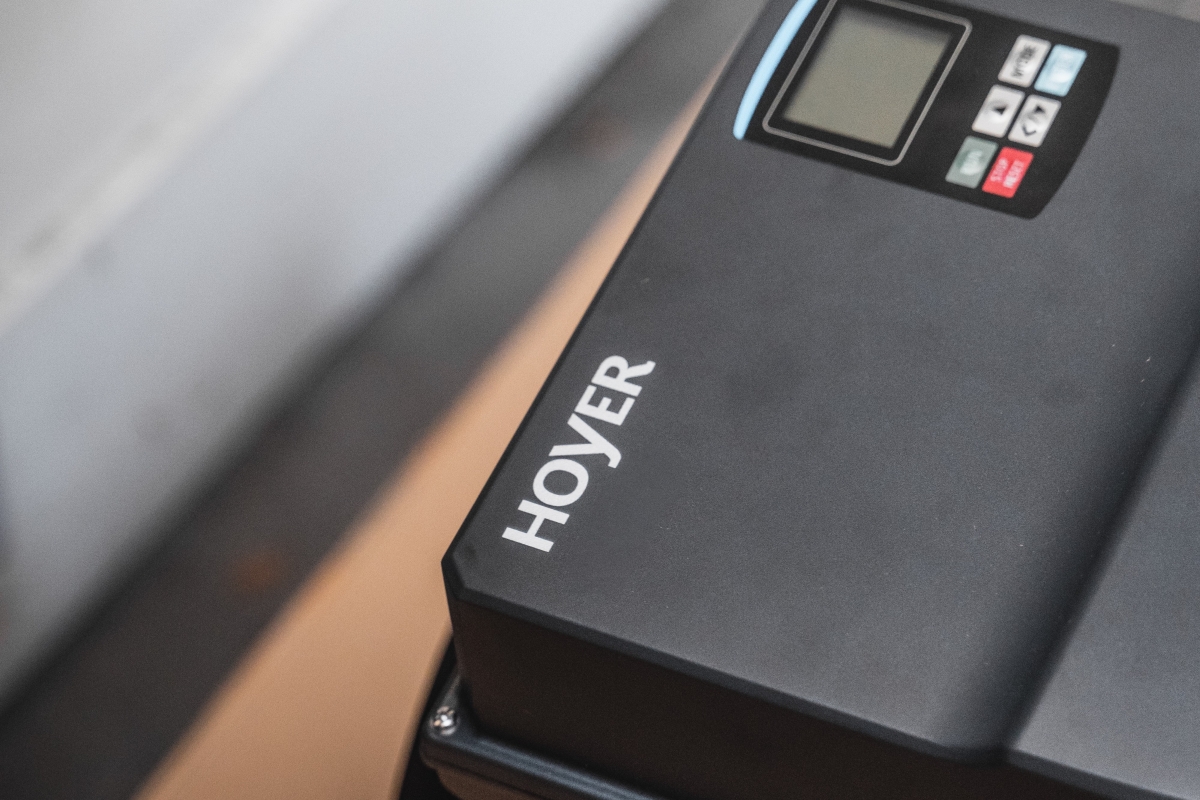
Historically, vessel maintenance followed rigid calendar schedules or running hour thresholds dictated by OEMs. This often resulted in unnecessary component replacements or unexpected catastrophic failures between dry-dock cycles. Global fleet owners are now mandating Condition-Based Maintenance (CBM) protocols during MRO agreements. By embedding continuous vibration, insulation resistance, and thermal telemetry into fleet management software, procurement teams only trigger MRO purchasing orders when empirical degradation patterns appear, saving up to 30% in annual OPEX.
2. Standardization of Fleet Motor Configurations
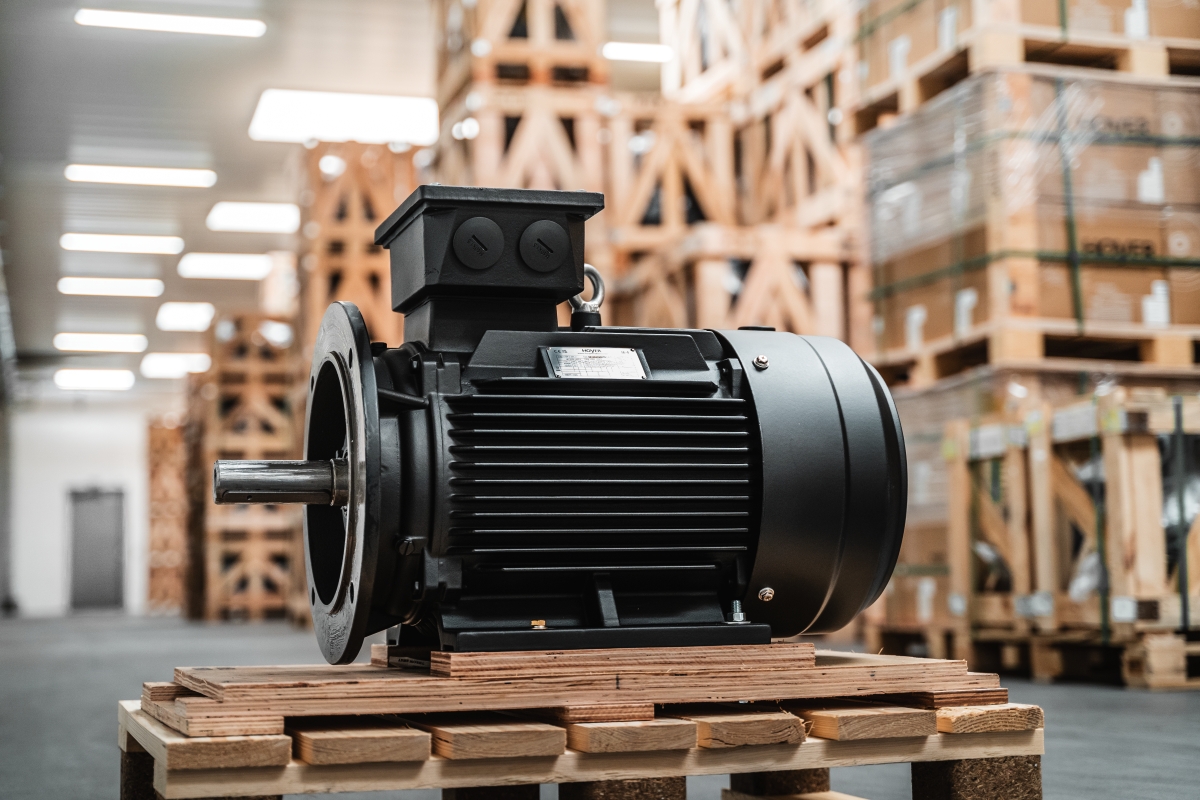
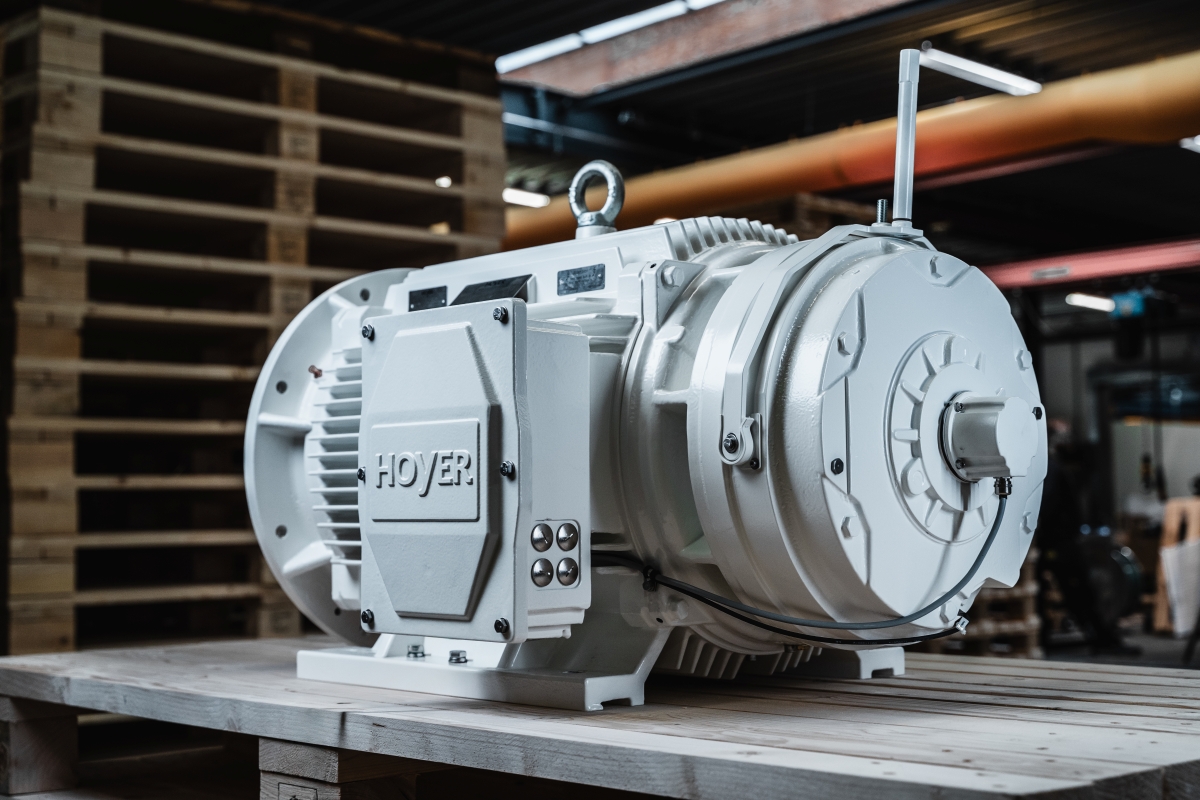
Managing heterogeneous fleets with dozens of different motor brands creates immense spare-part logistics chaos. Leading ship operators are using planned MRO periods to standardize entire vessel series onto single-brand motor platforms. By standardizing flange dimensions, shaft extensions, bearing types, and terminal box positions across auxiliary systems, technical managers can dramatically reduce onboard emergency spare stocks while ensuring 100% interchangeability across sister vessels.
3. Total Cost of Ownership (TCO) & Efficiency Lifecycle Indexing
Electric motors account for over 70% of a commercial vessel's onboard electrical power consumption. When evaluating Marine MRO bids, procurement officers no longer select solutions based purely on initial purchase price (CAPEX). A standard 110 kW engine room pump motor running 6,000 hours per year will consume its initial purchase cost in electricity within 4 to 6 months. Purchasing IE4 super-premium efficiency motors during MRO retrofits yields substantial energy savings that pay back the premium within months while directly lowering the ship’s carbon footprint score.
| Performance Metric | Legacy IE1 / IE2 Motors | Hoyer IE3 Premium Marine | Hoyer IE4 Super-Premium |
| Avg. Electrical Efficiency (75kW - 4P) | 89.5% - 91.7% | 95.0% | 96.2% |
| Annual Power Consumption (6,000h) | ~491,000 kWh | ~473,000 kWh | ~467,000 kWh |
| Bearing Thermal Rise Under Load | High (Class B Limit Exceeded) | Low (Class B Compliant) | Ultra-Low (Extended Bearing Life) |
| VFD Compatibility | Requires External Insulation | Insulated Bearings + Phase Barriers | Built-in VFD Shielding Standard |
| CII Decarbonization Impact | Baseline / Negative | Moderate Positive Improvement | Maximum Operational Rating Support |
4. Vendor Consolidation: The One-Stop MRO Ecosystem
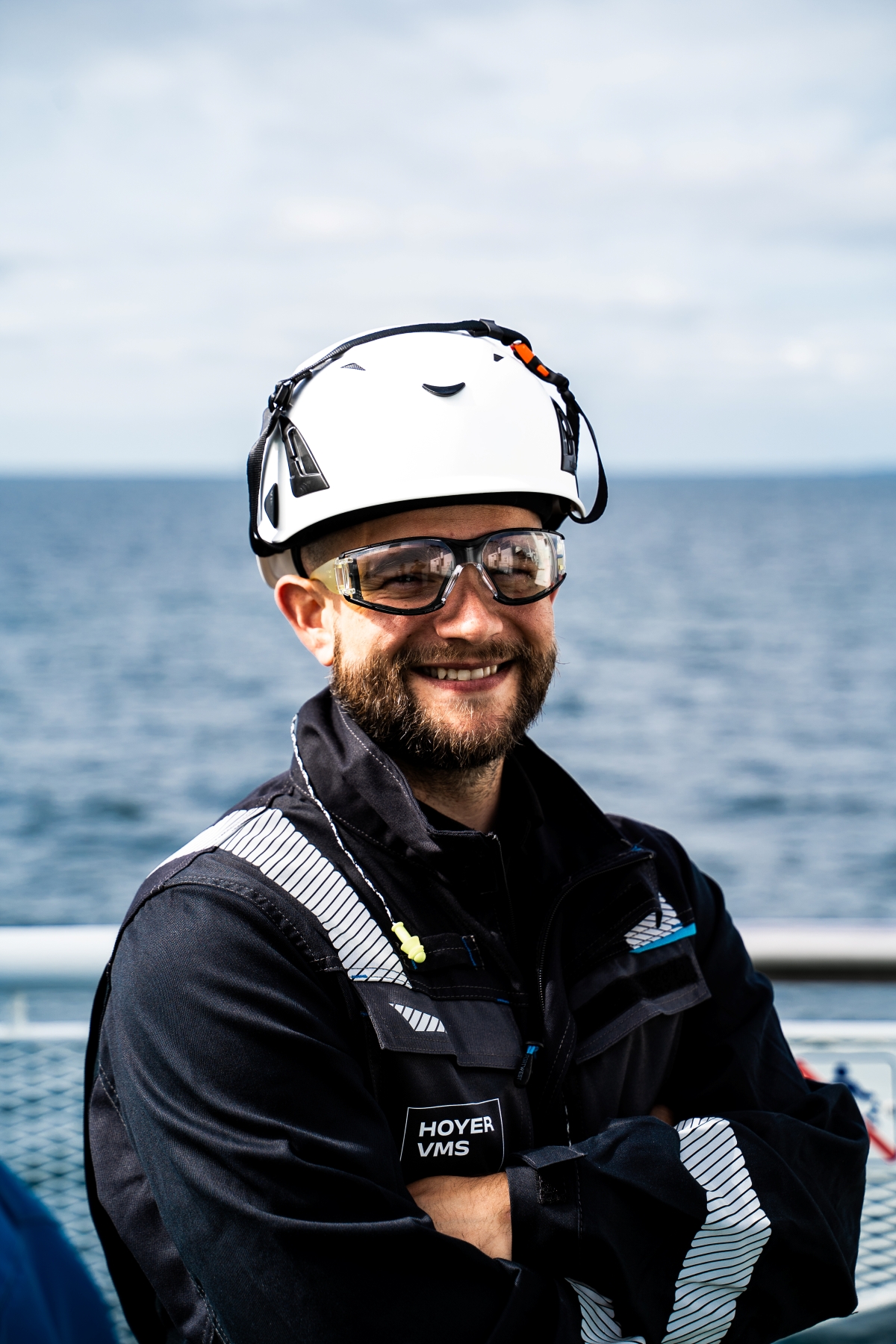
Dealing with separate suppliers for mechanical overhaul, motor rewinding, class certification, and spare parts logistics introduces unnecessary handoffs and delay risks. The future of maritime MRO belongs to unified partners capable of delivering turnkey solutions—combining product manufacturing, localized warehouse buffering, field engineering, and 24/7 port support under a single contract.