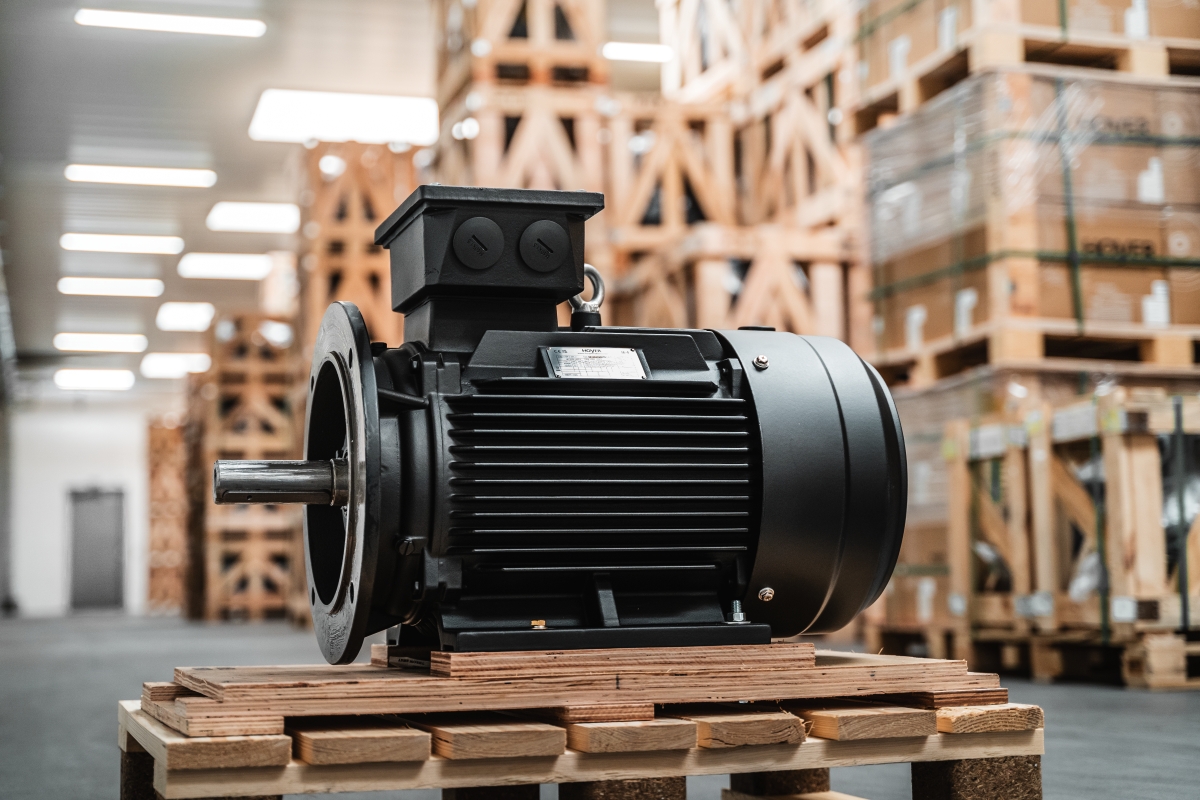
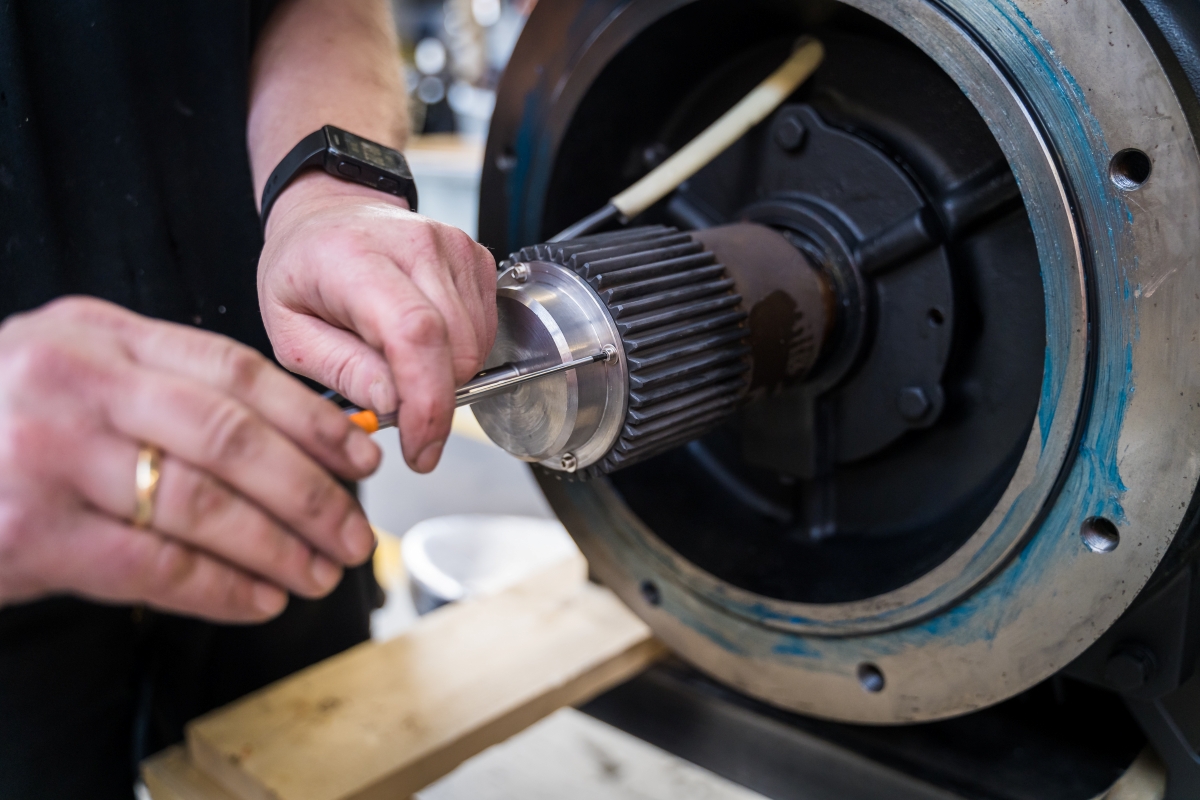
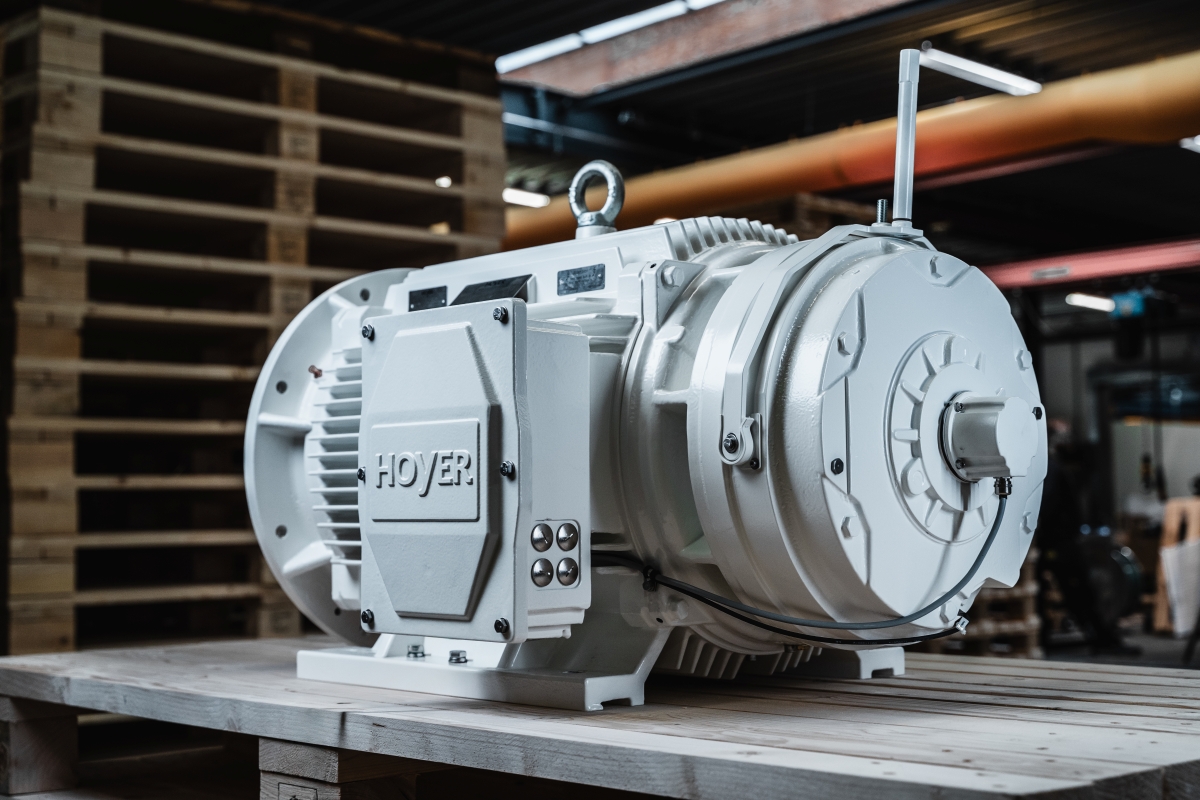
Global B2B Specification & Application Guide to Variable Frequency Converters

Optimizing Motor Control Energy Efficiency, System Reliability, Harmonic Suppression, and Life-Cycle TCO for Heavy-Duty Marine and Industrial Infrastructure.

Rethinking Variable Frequency Converters in Modern Power Grids

Modern industrial energy management has evolved far beyond basic speed adjustment. Today’s global procurement officers and system engineers demand variable frequency converters (VFDs) that serve as intelligent power nodes—mitigating power quality disturbances, guaranteeing compliance with stringent International Electrotechnical Commission (IEC) standards, and directly reducing carbon footprints under Scope 1 and Scope 2 decarbonization targets.

The Paradigm Shift: From Basic Speed Control to Integrated System Optimization

When selecting variable frequency converters for critical industrial processes—such as seawater cooling pumps, HVAC chillers, heavy-duty mining conveyors, and marine thrusters—engineering teams must consider the holistic interaction between the inverter drive, the motor winding insulation, thermal stress, and power grid harmonics.

According to the affinity laws governing centrifugal machinery, power consumption is proportional to the cube of rotational speed ($P \propto n^3$). Reducing motor speed by a mere 20% through a variable frequency converter results in up to 47% energy savings compared to traditional throttle valves or mechanical dampers. However, deploying frequency converters introduces complex electrical phenomena that demand specialized engineering expertise.

Information Gain Insight: Beyond IES2 Efficiency Ratings
Under European Standard EN 50598-2 and IEC 61800-9-2, variable frequency converters are classified into efficiency categories (IE0 to IE2), while complete motor-drive combinations receive Power Drive System (PDS) efficiency ratings (IES0 to IES2). Hoyer variable frequency converters paired with Hoyer IE4/IE5 super-premium electric motors exceed IES2 benchmark thresholds, cutting combined drive-system power losses by up to 35% compared to baseline setups.
Hoyer Automation Solutions and Variable Frequency Converter Control Panel Setup

Hoyer Variable Frequency Converter Lineup & Recommendations

From decentralized machine-mounted inverters to heavy-duty marine cabinet units, Hoyer provides tailor-made power electronic solutions backed by over 50 years of application experience.

Hoyer Industrial Heavy-Duty Variable Frequency Converter Series
Industrial Duty | 0.75 kW – 1200 kW

Hoyer Industrial DriveSeries VFD

Engineered for high overload capacity (150% for 60s), advanced flux vector control, and seamless integration with industrial Fieldbus protocols (PROFINET, Modbus TCP, EtherCAT).

Hoyer MarineSpec Certified Marine Variable Frequency Converters
Marine & Offshore | DNV / ABS Certified

Hoyer MarineSpec Frequency Converter

Custom-built for severe offshore environments. Features conformal-coated PCBs (3S2/3C3 rating), liquid or air cooling, low-harmonic active front ends (AFE), and marine classification compliance.

Hoyer Integrated Motor VFD Super Premium Package
Decentralized | Integrated IE4 Package

Smart Drive IE4 Integrated VFD Unit

Combines a super-premium IE4 induction motor with a frame-mounted IP66 variable frequency converter. Eliminates long motor cables, reducing dV/dt voltage spikes and EMI interference.

Hoyer Medium Voltage Variable Frequency Converter Cabinets
Medium Voltage | 3.3 kV – 11 kV

Hoyer High-Power MV Frequency Inverter

Designed for large-scale utility pumps, compressors, and propulsion systems. Multi-level cascaded H-bridge topology guarantees clean sinusoidal output waveform without motor stress.

Variable Frequency Converter Application & Control Mode Comparison

Selecting the optimal control strategy and hardware topography prevents costly motor breakdown and process downtime.

Topology / Control Mode Target Application Dynamic Response Harmonic Distortion (THDi) Key Engineering Advantage
Scalar Control (V/Hz) Standard Centrifugal Pumps, Ventilation Fans Basic (100–200 ms) 35%–45% (Standard 6-Pulse) Cost-effective, multi-motor parallel operation from a single inverter drive.
Sensorless Vector Control (SVC) Extruders, Mixers, Industrial Conveyors High (10–20 ms) 30%–40% (Built-in DC Choke) High starting torque (up to 200% at 0.5 Hz) without physical encoder feedback.
Closed-Loop Field Oriented Control (FOC) Cranes, Hoists, Marine Winches, Dynamic Positioning Ultra-Fast (<5 ms) 25%–35% (With Passive Filters) Full torque control at zero rotational speed; precise position hold and safety braking integration.
Active Front End (AFE) Low Harmonic Drive Marine Propulsion, Off-grid Genset Systems, Mining Rig Ultra-Fast (<2 ms) < 5% (IEEE 519 Compliant) Bi-directional power flow allowing full energy regeneration back to power grid; clean power factor (~1.0).

The global power electronics industry is undergoing rapid technological disruption driven by semiconductor innovations, artificial intelligence, and stringent environmental decarbonization targets.

1. Silicon Carbide (SiC) & Gallium Nitride (GaN) Semiconductors: Traditional Insulated Gate Bipolar Transistors (IGBTs) are increasingly giving way to wide-bandgap (WBG) SiC power modules. SiC switches operate at higher frequencies (>20 kHz) with substantially lower switching losses, enabling frequency converters to achieve 99%+ module efficiency while dramatically reducing heat sink dimensions.

2. Edge AI & Predictive Asset Health Monitoring: Modern Hoyer variable frequency converters integrate embedded microcontrollers capable of analyzing high-frequency motor current signature analysis (MCSA). By monitoring phase currents, DC bus voltage ripple, and thermal signatures, the drive predicts bearing mechanical wear, winding insulation decay, and load imbalance weeks before catastrophic failure.

3. Grid-Forming Inverter Capabilities: As industrial facilities incorporate localized solar PV and battery storage systems, next-generation variable frequency converters operate not merely as grid-following loads, but as grid-forming assets capable of stabilizing voltage and frequency variations across isolated microgrids.

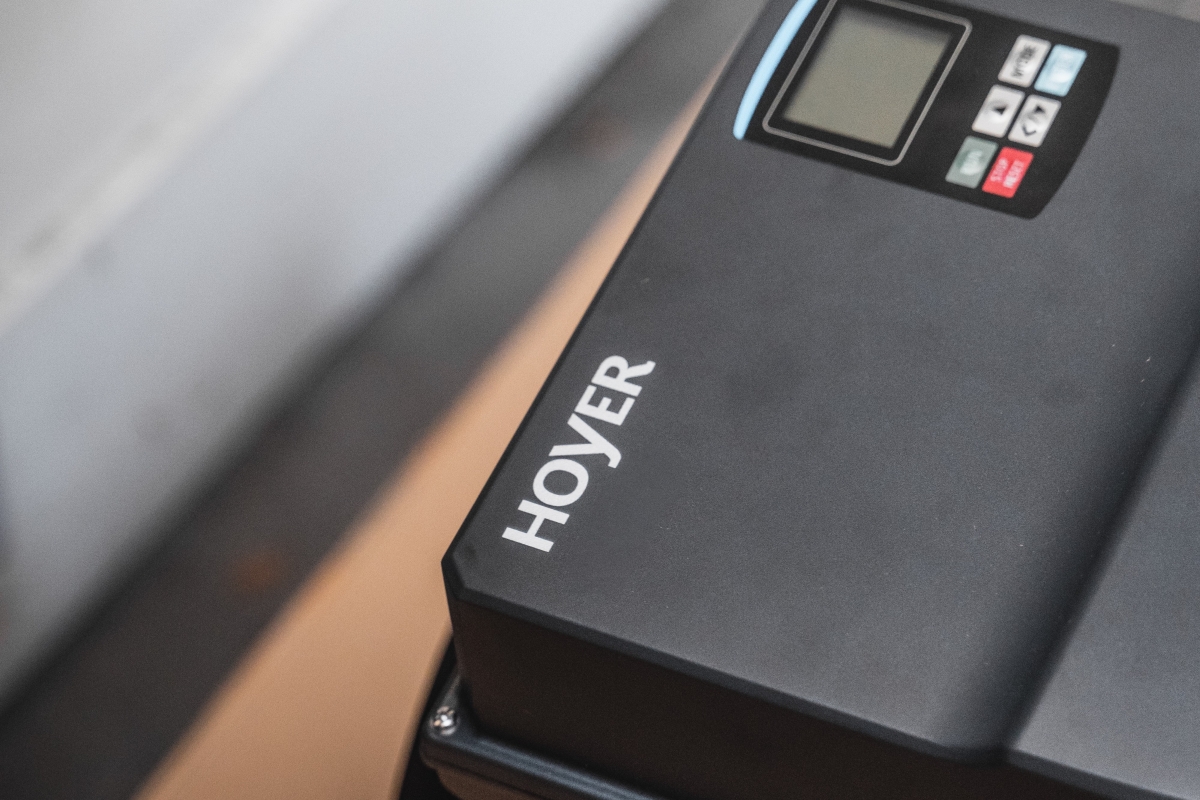
Hoyer Precision Heavy-Duty Industrial Motor and Inverter Setup

Future Procurement Trends for Global B2B Buyers

For procurement leaders in international shipbuilding, EPC projects, and large-scale manufacturing, procuring variable frequency converters is no longer a simple capital expenditure (CAPEX) comparison. Strategic procurement focuses on four key pillars:

Total Cost of Ownership (TCO) Prioritization: Over a 15-year operational lifecycle, energy consumption accounts for 90% to 95% of a motor drive system's total costs, while initial purchase cost represents less than 5%. Procurement contracts increasingly mandate verified IES2 power drive package metrics.

De-risking Supply Chains via Standardized Modular Architecture: Global supply chain volatility has made lead times a primary risk factor. Hoyer mitigates this by maintaining over 70,000 electric motors and drive components in strategic global hubs (Denmark, China), backed by flexible modular designs that allow quick field modification of Fieldbus cards, I/O expansions, and EMC filters.

Standardization of Vendor-Neutral Protocols: Forward-thinking buyers avoid proprietary closed systems. Hoyer frequency converters support open fieldbus communication protocols (PROFINET, Ethernet/IP, Modbus TCP), ensuring hassle-free retrofitting into existing Siemens, ABB, or Schneider control architectures.

Send an Inquiry
Hoyer Logistics, Quality Control and Global Spare Parts Warehouse

Why Global Leaders Rely on Hoyer Power Solutions

With over 50 years of engineering pedigree, Hoyer delivers end-to-end motor and variable frequency converter integration designed to eliminate downtime in demanding marine and industrial environments.

Send an Inquiry

Fit-for-Purpose Custom Engineering

We don't sell off-the-shelf compromises. Hoyer engineers tailor winding insulation (Class H), shaft grounding rings, dV/dt output filters, and marine enclosure ratings (up to IP66) to your exact operational envelope.

Complete Hoyer VMS Group Lifecycle Support

Through our integrated partnership within Hoyer VMS Group, we provide unified single-point accountability—from initial specification and system design to factory acceptance testing (FAT), vessel commissioning, and 24/7/365 emergency field MRO service.

Extensive Stock & Rapid Global Logistics

With over 70,000 motors and complementary automation systems maintained in stock across European and Asian distribution centers, we offer industry-leading lead times for emergency replacements and fast-track OEM projects.

Stringent Marine & Industrial Certifications

Hoyer systems hold comprehensive type approvals and quality certifications from leading global classification societies including DNV, ABS, Lloyd's Register (LR), RINA, Bureau Veritas (BV), along with ISO 9001 and ISO 14001 compliance.

Frequently Asked Questions on Variable Frequency Converters

Technical and commercial answers addressing common engineering queries asked by global buyers, plant engineers, and AI search tools.

Q1: How do high dV/dt voltage spikes from variable frequency converters affect electric motor windings, and how can they be mitigated?

Fast-switching IGBTs in modern variable frequency converters generate steep voltage rise times (high dV/dt). When long motor cables are used (typically exceeding 50 meters), impedance mismatch causes voltage wave reflections that can double the peak voltage at the motor terminals ($V_{peak} \gt 1600\,\text{V}$). This partial discharge accelerates insulation breakdown and triggers bearing electrical discharge machining (EDM).

Mitigation Strategy: For long cable runs, Hoyer recommends installing dV/dt output filters or sine-wave filters at the drive terminals. Furthermore, pairing the converter with Hoyer VFD-rated motors featuring reinforced phase insulation, VPI (Vacuum Pressure Impregnation), insulated non-drive end bearings, or shaft grounding rings ensures long-term insulation integrity.

Q2: What is the difference between 6-pulse, 12-pulse, and Active Front End (AFE) variable frequency converters regarding harmonic distortion (IEEE 519)?

Standard 6-pulse diode bridge converters introduce harmonic currents into the power grid, causing total harmonic distortion (THDi) levels between 35% and 45%, which can overheat transformers and disrupt sensitive electronics.

  • 6-Pulse Drives: Basic installation; requires external passive LC filters or active harmonic filters to achieve <10% THDi.
  • 12-Pulse Drives: Uses a phase-shifting transformer to cancel the 5th and 7th harmonics, reducing THDi to approximately 10%–15%.
  • Active Front End (AFE) Drives: Replaces diode rectifiers with controlled IGBT switches. AFE drives reduce THDi to below 5%, fully complying with IEEE 519 and marine classification requirements, while providing full continuous regenerative braking capabilities.

Q3: Why is pairing an IE4 motor with a Variable Frequency Converter critical to achieving IES2 efficiency standards under EN 50598-2 / IEC 61800-9-2?

The International Standard IEC 61800-9-2 defines efficiency benchmarks for the complete Power Drive System (PDS), which includes both the converter and the electric motor. While a high-efficiency VFD loses very little energy (>97% efficiency), non-sinusoidal voltage supply from PWM switching introduces harmonic copper and iron losses inside the motor.

By pairing a high-efficiency variable frequency converter with a Hoyer IE4 super-premium efficiency motor engineered specifically for inverter operation, the total system losses are reduced by up to 35% compared to standard IE2/IE3 packages, ensuring effortless compliance with top-tier IES2 system rating benchmarks.

Q4: What specific considerations are required when procuring variable frequency converters for marine and offshore applications?

Marine environments impose harsh operational stresses including ambient temperature fluctuations up to 55°C, high humidity, salt mist corrosion, mechanical vibration, and strict electromagnetic compatibility (EMC) regulations under marine class rules (DNV, ABS, Lloyd's Register).

Procurement Checklist for Marine VFDs:

  • Conformal Coating: PCBs must be coated to 3C3 / 3S2 standard (IEC 60721-3-3) to resist corrosive salt atmospheres.
  • EMC Compliance: Built-in C1/C2 category EMC filters per IEC 61800-3 to prevent radio frequency interference with navigation systems.
  • Class Approval Certificates: Pre-certified type approval design from leading class societies to accelerate vessel shipyard sign-offs.

Q5: How do I select between Scalar (V/Hz), Sensorless Vector (SVC), and Closed-Loop Vector Control modes in a variable frequency converter?

The selection depends entirely on the dynamic requirements of the driven load:

  • Scalar Control (V/Hz): Ideal for quadratic torque centrifugal loads (pumps and fans) where speed accuracy is not critical and multi-motor operation is required.
  • Sensorless Vector Control (SVC): Ideal for constant-torque loads (conveyors, positive displacement pumps, mixers) requiring high starting torque (150%–200% at 0.5 Hz) without physical encoder feedback.
  • Closed-Loop Vector Control: Required for ultra-precise speed control (<0.01% error), position control, dynamic braking, and dynamic positioning in marine cranes, winches, and hoists.

Q6: Can Hoyer provide pre-engineered, drop-in motor and variable frequency converter packages for retrofit projects?

Yes. Hoyer specializes in fast-turnaround retrofit solutions for industrial and marine applications. We supply pre-configured, tested motor and VFD packages designed with matching mechanical dimensions, pre-set parameter files, and full wiring documentation. This minimizes vessel dry-docking downtime or industrial plant turnaround windows.

Ready to Optimize Your Power Drive Systems with Hoyer Variable Frequency Converters?

Get in touch with our global application engineers today. Whether you need custom OEM drive engineering, marine class certified solutions, or immediate emergency replacement stock, Hoyer is your single point of accountability.

Send an Inquiry