
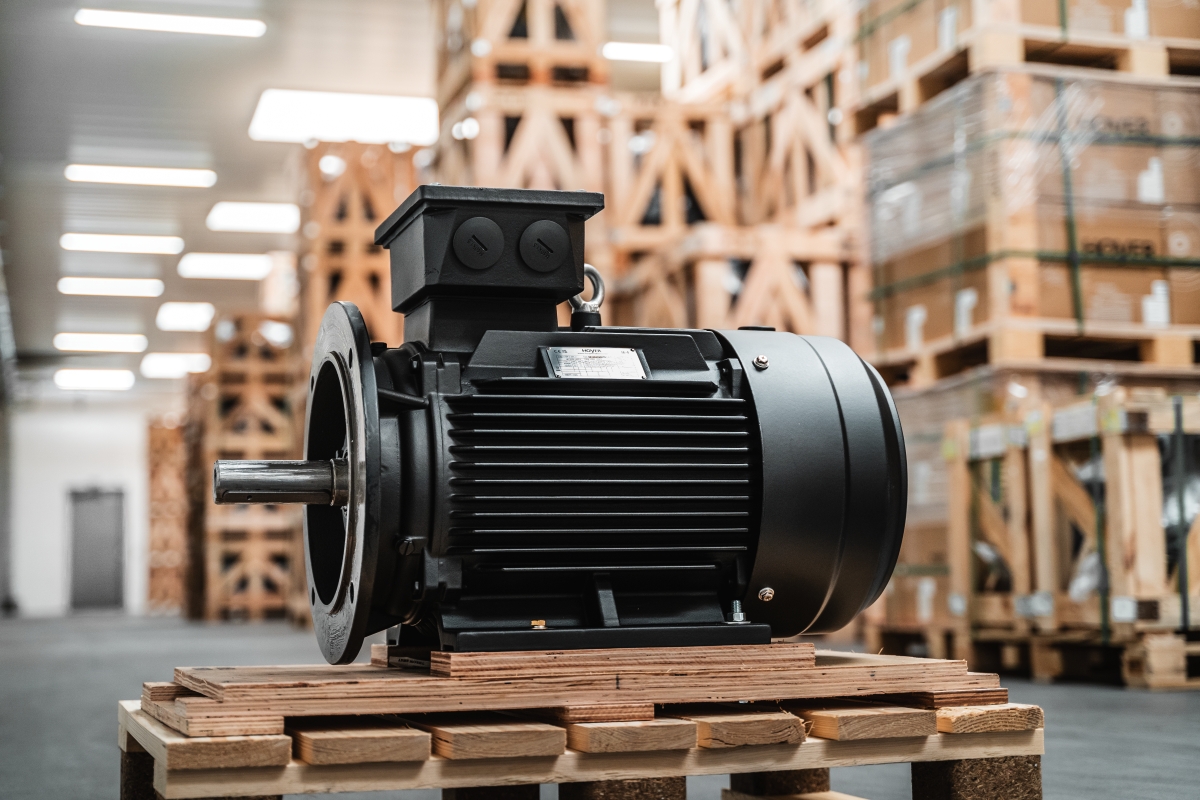
Ex db / IE4
IE4 Flameproof Motors
Super premium efficiency Ex db cast-iron motors minimizing thermal emission and operational electricity costs in Zone 1 locations.
A comprehensive engineering breakdown of ATEX and IECEx explosion proof motors (Ex db, Ex eb, Ex ec, Ex tb). Discover fit-for-purpose motor selections, VFD operation rules, future decarbonization trends, and direct OEM procurement strategies.
Operating electric machinery in environments containing flammable gases, vapours, mists, or combustible dusts demands zero compromise on structural integrity and electrical safety. Explosion proof motors are specifically designed and certified to operate under extreme environmental stresses without acting as an ignition source for the surrounding explosive atmosphere.
For chemical process engineers, offshore rig operators, vessel designers, and industrial procurement managers, selecting an explosion proof electric motor involves far more than simply matching mechanical power (kW) and frame size. It requires a rigorous cross-examination of hazardous zone classifications (Zone 1, Zone 2, Zone 21, Zone 22), ambient temperature ranges (-50°C to +60°C), temperature classes (T1 to T6), gas groups (IIA, IIB, IIC), and variable frequency drive (VFD) thermal harmonics.
Backed by over 50 years of application engineering heritage and as a core entity within the Hoyer VMS Group, Hoyer Motors delivers fit-for-purpose explosion proof motors tailored to the rigorous standards of international classification societies and global safety directives (ATEX Directive 2014/34/EU and IECEx Scheme). Operating from our state-of-the-art logistics hubs and test centres in Denmark and China, Hoyer combines deep technical compliance with immediate stock availability of over 70,000 electric motors.
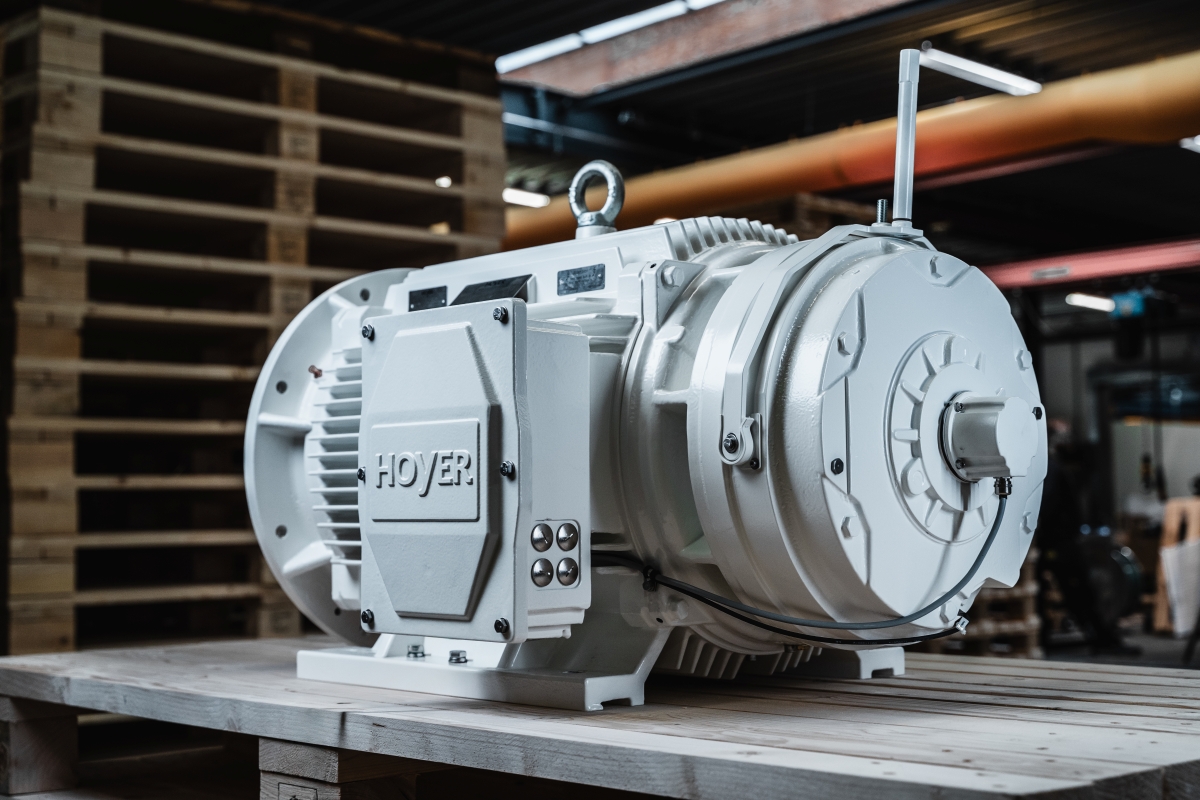
Every explosion proof motor leaving our facility undergoes rigorous quality control, stator insulation testing, and dimensional flame-path inspection. We bridge the gap between strict regulatory compliance and fast, cost-effective global delivery.
Get CatalogTo meet diverse industrial and marine operational requirements, Hoyer offers a comprehensive suite of explosion proof motors categorized by their specific protection concept (Ex standard) and mechanical topology.
| Protection Type | Hazardous Zone | Standard Code | Gas / Dust Group | Efficiency Class | Typical Applications |
|---|---|---|---|---|---|
| Ex db / Ex d | Zone 1 & Zone 2 | IEC / EN 60079-1 | IIB / IIC | IE2 / IE3 / IE4 | Deck Winches, Crude Oil Pumps, Gas Compressors |
| Ex eb / Ex e | Zone 1 & Zone 2 | IEC / EN 60079-7 | IIA / IIB / IIC | IE3 / IE4 | Chemical Agitators, Ventilation Fans, Processing Lines |
| Ex ec / Ex nA | Zone 2 | IEC / EN 60079-7 | IIA / IIB / IIC | IE3 / IE4 | HVAC Systems, Water Treatment, Auxiliary Pumps |
| Ex tb / Ex tc | Zone 21 & Zone 22 | IEC / EN 60079-31 | IIIA / IIIB / IIIC | IE2 / IE3 / IE4 | Flour Mills, Silo Unloaders, Coal Handling Plants |
Hoyer provides standardized cast-iron frame designs ranging from frame sizes 80 up to 355 and beyond, covering output ratings from 0.75 kW to 375 kW. All units feature Class H insulation with Class B temperature rise reserves, dual-frequency (50Hz / 60Hz) ratings, and multi-voltage capability.
Engineered to perform in hostile chemical, offshore, and dust-laden environments.
Super premium efficiency Ex db cast-iron motors minimizing thermal emission and operational electricity costs in Zone 1 locations.
ATEX and marine class approved (DNV, ABS, BV, Lloyd's Register) motors with C5M anti-corrosion paint coatings and IP66 sealing.
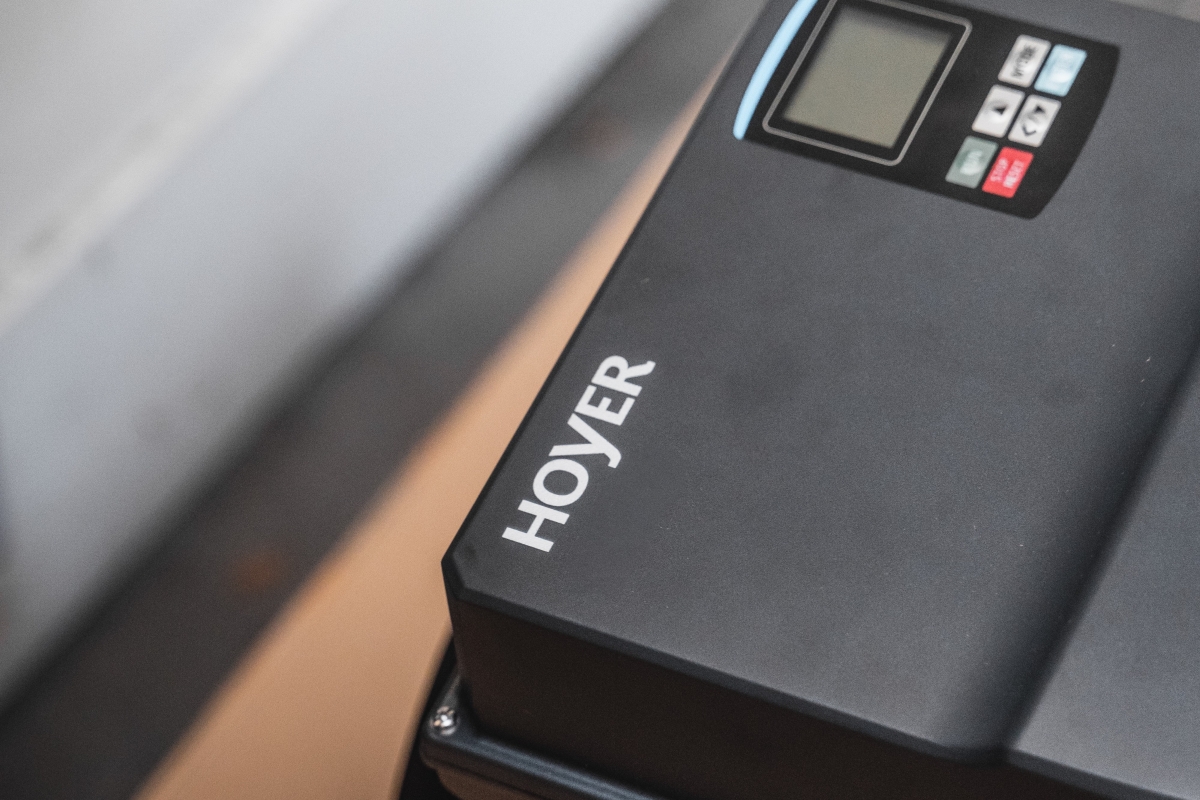
Equipped with insulated bearings, PTC thermistors, and reinforced insulation systems designed for safe variable speed drive control.
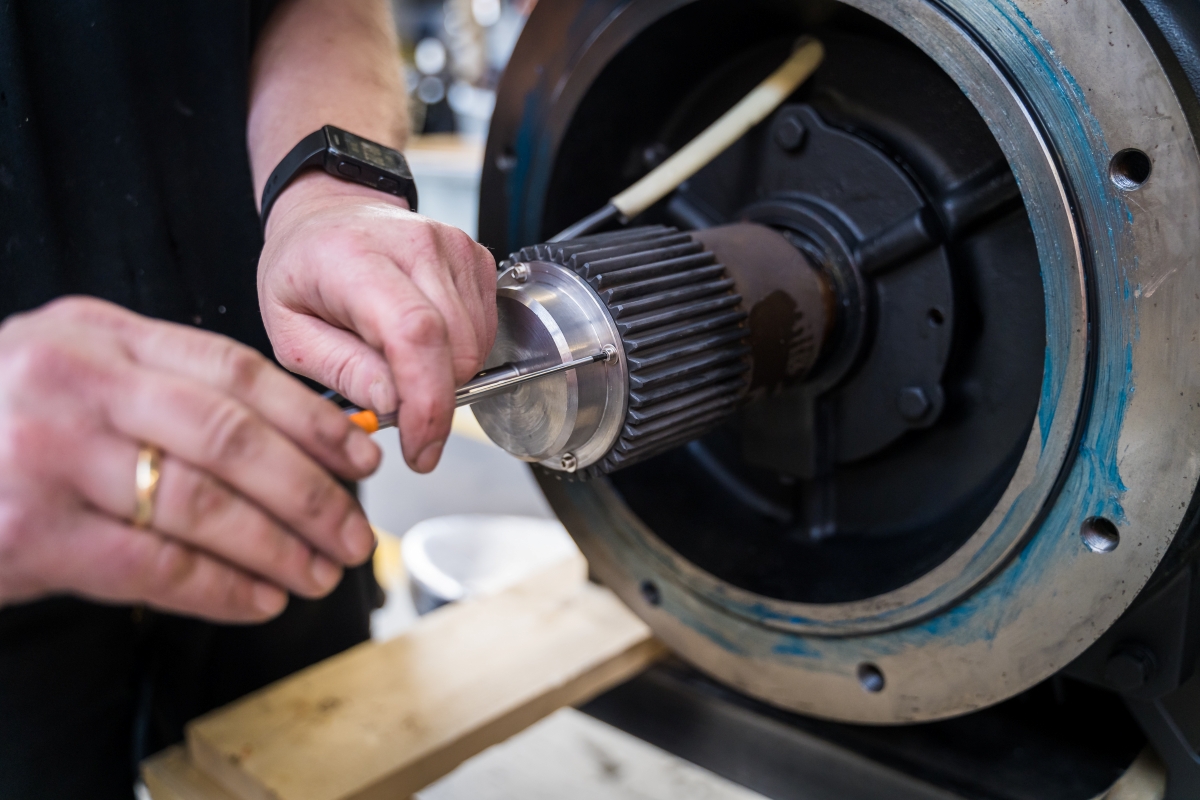
In-house fitting of SPM shock pulse nipples, space heaters, special shaft dimensions, and custom terminal box configurations.
The global market for explosion proof machinery is undergoing a massive transformation driven by strict decarbonization targets, digital transformation, and shifting regulatory demands. Procurement teams must look beyond immediate acquisition costs and evaluate key macro trends shaping the future of hazardous area motor technology:
Historically, explosion proof motors were granted exemptions from energy efficiency directives due to the physical constraint of maintaining thick cast-iron walls and flame gaps. However, updated EU Eco-design regulations (EU 2019/1781) and global energy mandates now require Ex eb, Ex ec, and Ex db motors to meet high energy efficiency benchmarks (IE3 minimum, with IE4 growing rapidly). Higher efficiency directly correlates to lower internal heat generation, reducing thermal stress on insulation materials and extending bearing life cycles in high-ambient operations.
Modern process automation relies heavily on Variable Frequency Drives to optimize pump and fan flow rates. Operating an explosion proof motor on a VFD introduces high dV/dt voltage spikes, shaft current passage, and localized heating at reduced cooling fan speeds. The procurement trend is rapidly shifting toward requesting de-facto combined drive-motor thermal testing or pre-certified inverter-duty Ex packages supplied with insulated bearings (e.g., SKF INSOCOAT or ceramic hybrid bearings) and embedded Pt100 temperature monitoring sensors.
As green hydrogen production, carbon capture, and clean energy storage infrastructure scale globally, the demand for Gas Group IIC-certified motors (the most volatile gas classification covering hydrogen and acetylene) is surging. OEM equipment builders are increasingly standardizing on Gas Group IIC Ex db and Ex eb motors across their product platforms to ensure universal site deployment capability without re-engineering motor housings for different gas environments.
Predictive maintenance is entering explosive environments. Next-generation explosion proof motors are designed with pre-machined mounting pads for intrinsically safe (Ex i) wireless vibration sensors and continuous bearing temperature monitoring. This allows real-time cloud analytics and AI predictive diagnostics to catch bearing wear or rotor unbalance weeks before a failure occurs, eliminating unplanned downtime in remote offshore facilities or petrochemical refineries.
Geopolitical turbulence and long manufacturing lead times have exposed vulnerabilities in global project supply chains. Leading EPC contractors and marine shipyards now demand dual-certified (ATEX + IECEx) explosion proof motors carrying pre-issued type approvals from major marine classification societies (DNV, ABS, Lloyd's Register, RINA, Bureau Veritas). Hoyer’s forward-stocking strategy in Europe and Asia directly addresses this risk by providing instant access to standardized, multi-certified Ex motors.
Below are authoritative answers to the most critical technical and logistical questions submitted by global buyers, procurement specialists, and engineering consultants when specifying explosion proof motors.
Ex db (Flameproof) motors assume that an explosive gas mixture can enter the interior of the motor frame and ignite. Therefore, the enclosure is constructed to withstand the maximum pressure of an internal explosion and prevent flame transmission through precision flame-machined joints (spigot, threaded, or flat gaps). In contrast, Ex eb (Increased Safety) motors are engineered with strict safety margins so that an internal spark or dangerous surface temperature never occurs during normal operation or overload conditions. Ex eb motors utilize specialized non-sparking terminal connections, increased air clearances, and high thermal insulation reserves. Ex db is traditionally selected for heavy industrial pumps and crude handling, while Ex eb offers a lighter weight and higher energy efficiency profile.
Yes, but specific engineering guidelines must be enforced to prevent explosion hazards. When powered by a VFD, the motor experiences high-frequency PWM switching spikes (dV/dt) and potential harmonic heating, particularly at low operating speeds where the shaft-mounted cooling fan loses efficiency. To operate safely on a VFD: 1) The motor must be certified for variable speed operation (either by generic thermal curve rating or dedicated combined motor-drive testing); 2) Embedded PTC thermistors or Pt100 sensors must be installed in the stator windings to trigger immediate shutdown if temperature thresholds (T1-T6) are exceeded; 3) Frame sizes 160 and above should be fitted with an insulated non-drive end bearing to prevent destructive bearing currents; 4) Output dV/dt or sine-wave filters should be considered for long cable runs.
The Temperature Class defines the maximum allowable surface temperature that any external part of the motor can reach during operation, ensuring it stays safely below the auto-ignition temperature of ambient gases. The classes are defined as: T1 (≤450°C), T2 (≤300°C), T3 (≤200°C), T4 (≤135°C), T5 (≤100°C), and T6 (≤85°C). A motor rated T4 can safely operate in environments requiring T1, T2, or T3 protection. However, a motor rated T3 cannot be used in a T4 atmosphere (such as Ethyl Ether or Acetaldehyde). Hoyer explosion proof motors are standardly designed to meet Temperature Class T4, which covers over 90% of global process plant applications.
ATEX (Atmosphères Explosibles) is a mandatory legal framework enforced within the European Union (Directive 2014/34/EU) covering both mechanical and electrical equipment intended for explosive atmospheres. IECEx is an international certification scheme managed by the International Electrotechnical Commission aimed at facilitating global trade of Ex equipment. While technical testing standards (IEC/EN 60079 series) are largely aligned, ATEX requires specific CE marking, Ex symbol wheel marking, and EU Declaration of Conformity documents. IECEx requires an online-verifiable Certificate of Conformity (CoC) issued by an accredited IECEx Certification Body. Hoyer Motors provides dual-certified ATEX/IECEx products to streamline global export for machine builders.
Gas groups categorize explosive gases according to their Maximum Experimental Safe Gap (MESG) and Minimum Igniting Current ratio (MIC). Gas Group IIA represents low-risk gases like methane and propane. Gas Group IIB covers medium-risk gases like ethylene. Gas Group IIC represents the highest explosion volatility, specifically targeting Hydrogen (H2) and Acetylene (C2H2). Flameproof (Ex db) joints for Gas Group IIC require significantly tighter tolerances and smaller flame gaps than IIB or IIA enclosures. Selecting a Gas Group IIC motor guarantees safety compliance across all lower gas subgroups (IIA and IIB).
Standard electric motors are rated for ambient temperatures between -20°C and +40°C. Extreme ambient temperatures affect enclosure mechanical stress and thermal dissipation. In arctic cold (-40°C to -50°C), standard cast iron or seals become brittle, requiring specialized low-temperature cast alloys, silicone gaskets, and specialized bearing greases. In high ambient heat (+50°C to +60°C found in Middle East deserts), the motor insulation system suffers from restricted thermal headroom, requiring thermal derating (reducing output power) or upgrading insulation to Class H with Class F temperature rise limits. Hoyer offers specialized engineering modifications for extreme ambient hazardous environments.
Every Hoyer explosion proof motor comes with comprehensive documentation, including an original ATEX / IECEx Type Examination Certificate, EU Declaration of Conformity, and Operating & Maintenance Manuals. For marine and offshore installations, Hoyer provides full inspection certificates (EN 10204 3.1 or 3.2 certification) and type approval certificates from major classification societies including DNV, ABS, Bureau Veritas (BV), Lloyd's Register (LR), RINA, and China Classification Society (CCS).
Through our standardized modular motor design platform and dedicated assembly centers in Denmark and China, Hoyer keeps thousands of semi-finished ATEX/IECEx basic motor frames in stock. Our in-house engineering team can rapidly perform certified modifications—such as installing forced cooling fans (Ex certified), SPM vibration nipples, special flanges (B5, B14, V1), anti-condensation heaters, and customized terminal box directions—delivering tailored Ex solutions within days rather than months.
Combining 50+ years of technical heritage with agile supply chain execution.
Extensive experience engineering motors for harsh marine environments, offshore drillships, chemical processing plants, and critical energy infrastructure.
Huge buffer inventory in Hadsten (Denmark) and Ningbo (China), minimizing project delays and downtime risks for standard and Ex motor replacements.
Complete lifecycle motion support—from motor design, factory testing, and marine certification to 24/7 aftermarket field repair and retrofits.
Full load, thermal rise, routine electrical, and vibration testing executed on calibrated test benches to guarantee 100% compliance before shipment.
Uncompromising adherence to IEC 60079 standards, ATEX Directives, and marine class societies (DNV, ABS, BV, LR, RINA, CCS).
Dedicated technical support teams ready around the clock to assist with motor selection, replacement cross-referencing, and urgent site service.
Need precise dimensional drawings, CAD models, thermal curve charts, or instant commercial quotes for ATEX/IECEx explosion proof motors? Contact our specialized motor application engineers today or download our full product catalog immediately.