
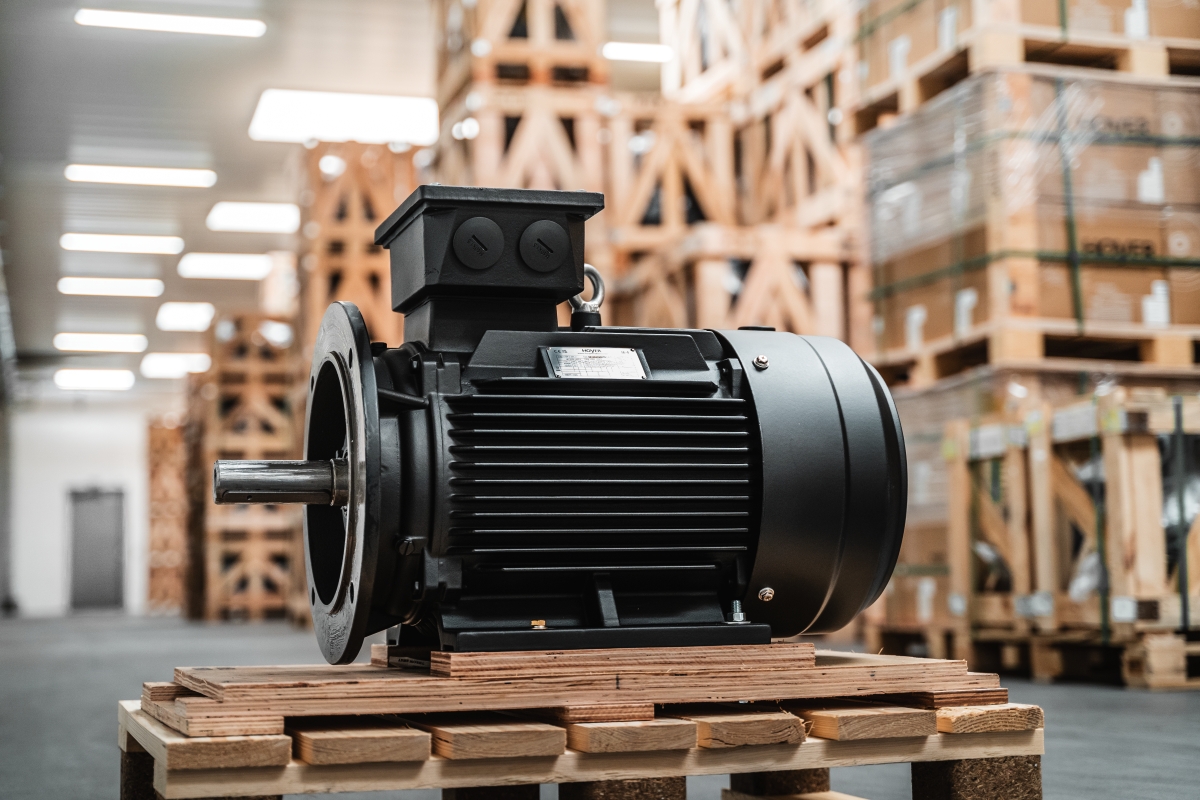
Super Premium
IE3 & IE4 Marine Motors
Cast iron frame sizes 80 to 450. Rated for 45°C/50°C ambient marine duty. Exceptional electrical efficiency reducing fuel consumption on auxiliary shaft generators.
An authoritative engineering whitepaper and procurement manual for marine engineers, naval architects, technical superintendents, and global shipbuilders. Learn how to specify, select, and maintain fit-for-purpose marine electric motors certified by major classification societies like DNV, ABS, LR, BV, and CCS.
Global commercial shipping lines, offshore platform operators, and specialized shipyards operate under extreme operational pressures. When procuring marine electric motors, technical procurement directors frequently encounter premature equipment failure when standard industrial-grade electric motors are installed in marine environments. Marine operations demand electric motor solutions explicitly engineered to withstand continuous exposure to moisture, saline air, heavy shock loading, thermal cycling, and strict classification society rules.
Unlike onshore industrial applications operating under predictable ambient conditions (typically rated up to 40°C), marine electric motors must function continuously at elevated ambient temperatures of 45°C to 50°C inside confined engine rooms, cargo pump spaces, and deck machinery housings. Furthermore, the marine environment introduces intense vibration, pitch-and-roll inclination angle requirements (up to 22.5° dynamic inclination per IACS rules), and severe corrosive atmospheric threats categorized under ISO 12944 C4M or C5M marine paint specs.
At Hoyer Motors, our application engineering legacy spans more than 50 years. We specialize in engineering and delivering custom-configured, fit-for-purpose marine duty electric motors that comply with global IMO decarbonization mandates (EEXI & CII) while reducing shipboard operational expenditures (OPEX).
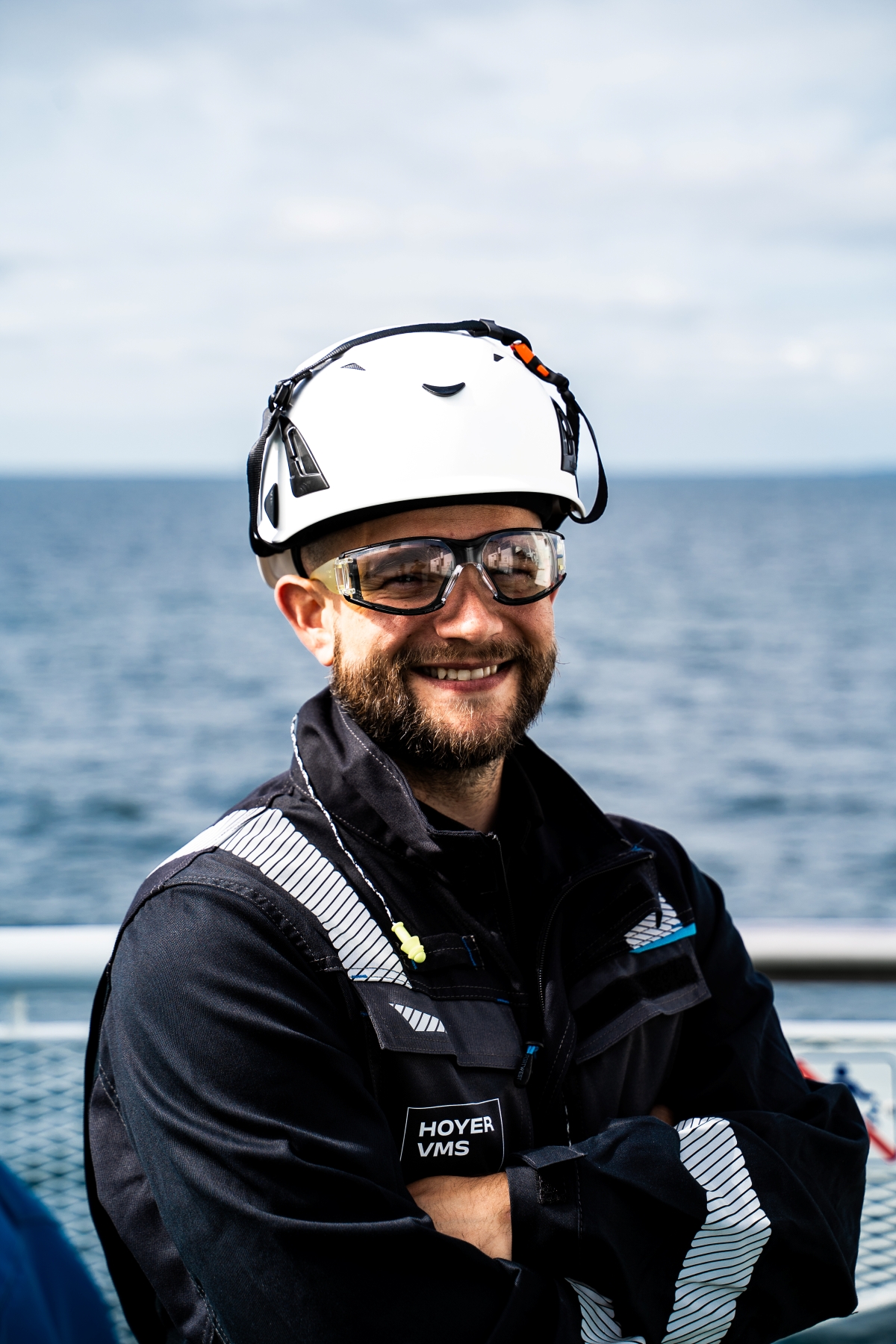
Figure 1: Marine electric motors undergo rigorous testing and classification review prior to global dispatch from Hoyer facilities.
Choosing the correct marine motor topology requires aligning duty cycles (S1 to S10), starting current ratios, inverter compatibility, and protection ratings. Below is Hoyer's specialized motor portfolio engineered specifically for maritime and offshore applications.
Cast iron frame sizes 80 to 450. Rated for 45°C/50°C ambient marine duty. Exceptional electrical efficiency reducing fuel consumption on auxiliary shaft generators.
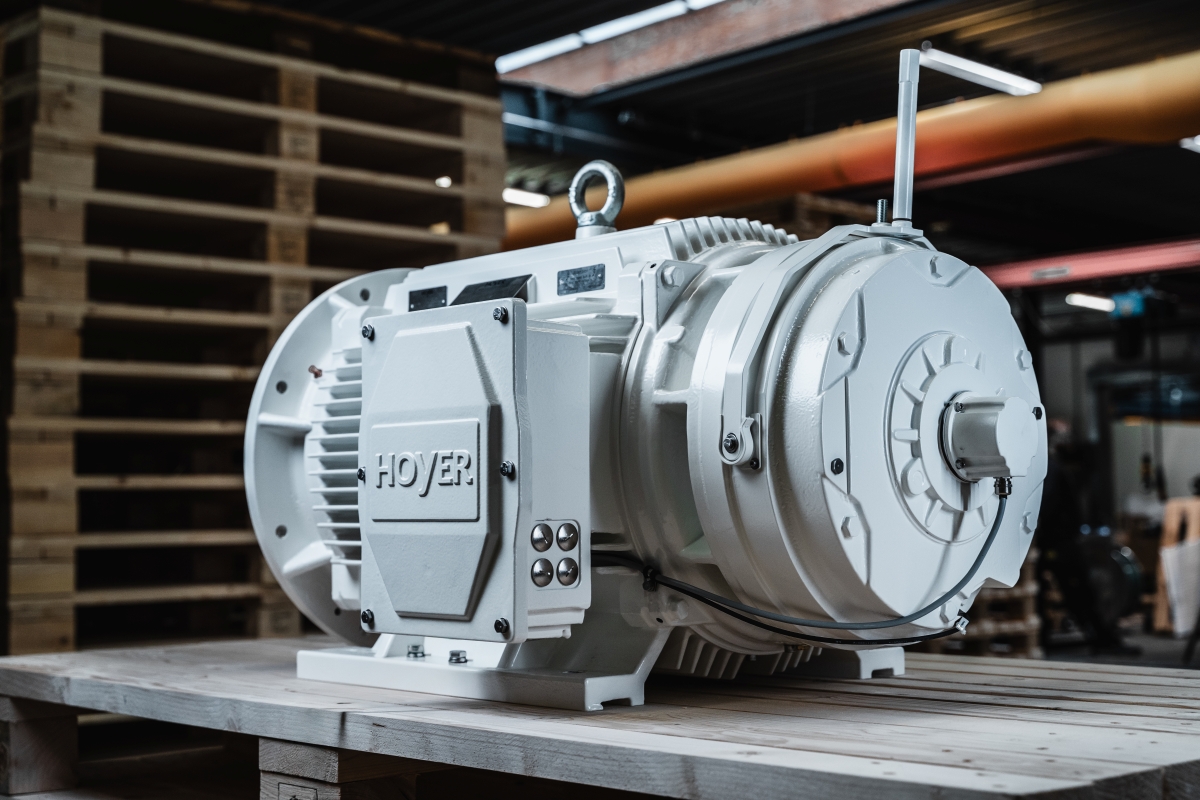
Heavy-duty electromagnetic brake motors designed for anchor windlasses, mooring winches, deck cranes, and ramp systems with IP56/IP66 protection.
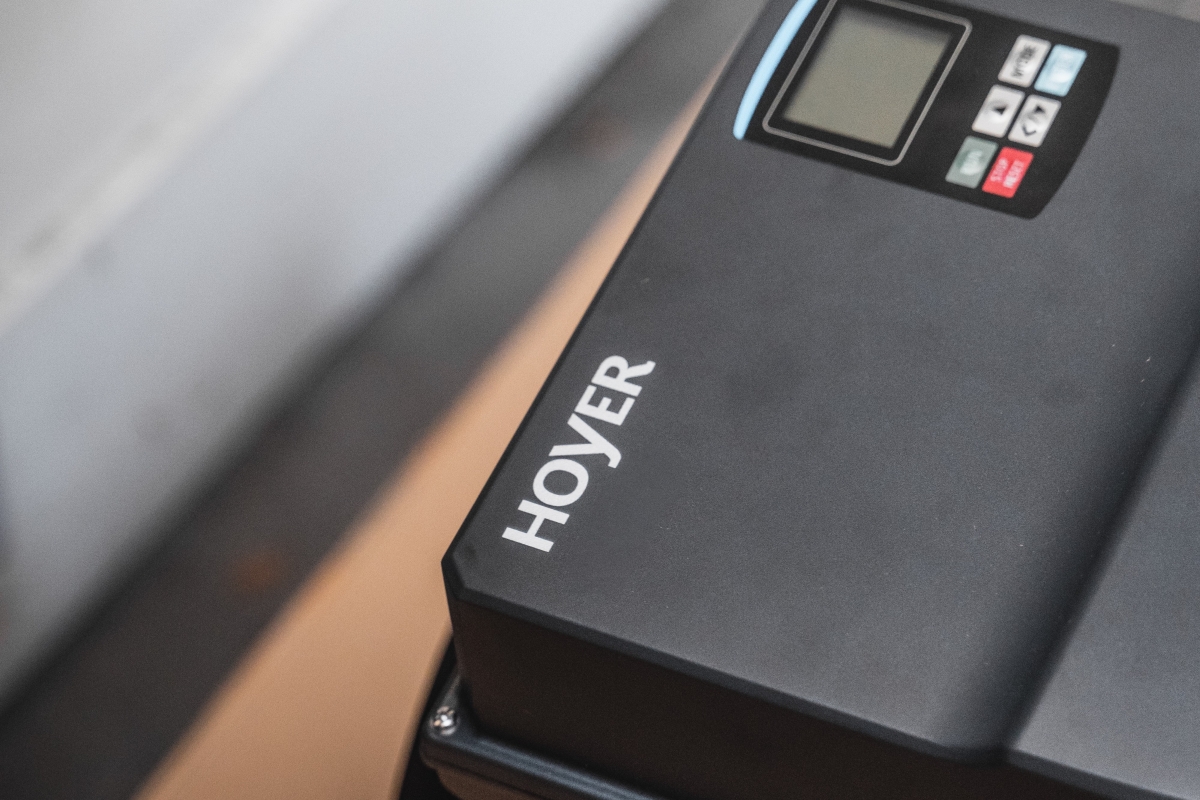
Ex d, Ex eb, and Ex ec explosion-proof certified motors for chemical tankers, LNG carriers, oil tankers, and offshore drilling platforms.
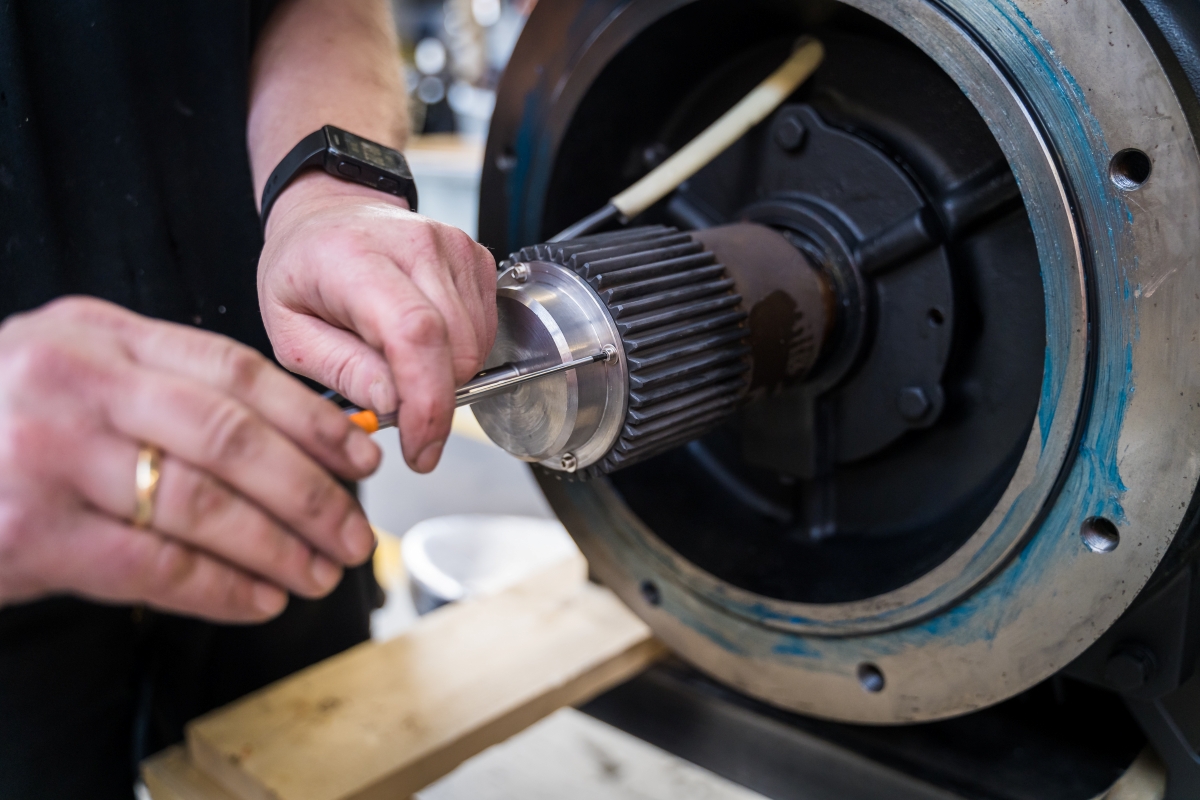
Up to 11kV high-voltage marine electric motors engineered for main electric propulsion, heavy thrusters, dredge pumps, and large ballast systems.
The following technical reference matrix summarizes standard configuration parameters required by international classification societies when procuring marine electric motors for shipboard duty:
| Shipboard Application | Typical Power Range | Enclosure & IP Rating | Insulation / Temp Rise | Mandatory Marine Features |
|---|---|---|---|---|
| Engine Room Fans & Blowers | 0.75 kW – 160 kW | IP55 / IP56 (TEFC) | Class H / Class B Rise | Anti-condensation heater, PTC thermistors, 45°C ambient rating. |
| Ballast & Cooling Pumps | 11 kW – 630 kW | IP55 / IP56 | Class H / Class F Rise | Special SPM vibration pads, insulated NDE bearings for VFD duty. |
| Deck Winches & Cranes | 5.5 kW – 250 kW | IP56 / IP66 (Non-ventilated) | Class H Insulation | Fail-safe electromagnetic brake, stainless steel hardware, C5M paint. |
| LNG / Tanker Cargo Pumps | 45 kW – 1000+ kW | Ex d IIBT4 / Ex eb IIC | Class H / ATEX/IECEx | Explosion-proof terminal box, dual grounding, certified flame paths. |
| Bow & Stern Thrusters | 200 kW – 4000 kW | IP55 / IP56 (Water cooled optional) | Class H Insulation | High overload duty (S2-30min), reinforced bearing arrangement, PT100 sensors. |
In global marine procurement, product specifications are only half the equation. Logistics agility, classification documentation speed, and engineering accountability define operational success. Hoyer Motors provides a seamless supply framework backed by established enterprise capabilities:
Over five decades of specialized application engineering, customizing electric motors for severe marine environments and OEM system integration.
Strategically positioned hubs in Europe and Asia maintain over 70,000 motors, guaranteeing immediate response for emergency drydockings and vessel repairs.
Through the Hoyer VMS Group setup, we deliver round-the-clock technical service, spare parts dispatch, and field engineer deployment worldwide.
The maritime industry is undergoing its most profound transformation since the transition from sail to steam. Driven by the International Maritime Organization (IMO) targets to achieve net-zero GHG emissions by or around 2050, fleet owners are radically re-engineering power architectures. Electric motors lie at the absolute center of this transition.
The implementation of the Energy Efficiency Existing Ship Index (EEXI) and operational Carbon Intensity Indicator (CII) ratings forces shipowners to audit auxiliary power consumption. Marine electric motors drive up to 60% of auxiliary electrical loads on commercial vessels (fuel pumps, cooling water pumps, engine room ventilation fans). Transitioning from legacy IE1/IE2 induction motors to Hoyer IE4 Super Premium Efficiency motors delivers immediate fuel savings, reducing auxiliary generator loading and directly improving a vessel's annual CII letter rating.
Modern ship design increasingly favors hybrid-electric and full-electric propulsion architectures. Permanent Magnet (PM) motors and high-efficiency asynchronous motors operating as shaft generators allow main engines to run at optimal fuel consumption points. When coupled with Variable Frequency Drives (VFDs), marine electric motors dynamically adjust flow rates for sea cooling water pumps based on actual water temperature rather than running continuously at 100% capacity—yielding energy reductions up to 50%.
Unplanned downtime at sea can result in catastrophic operational losses or safety hazards. Future-proof marine procurement strategies now mandate integrated condition monitoring. Hoyer integrates smart wireless vibration sensors, PT100 winding resistance temperature detectors (RTDs), and bearing temperature monitoring directly into the motor terminal box. This enables real-time data transmission to the vessel's integrated automation system (IAS) or cloud-based fleet monitoring portals, predicting bearing wear and insulation degradation long before failure occurs.
Figure 2: Hoyer IE4 Super Premium Efficiency motor featuring heavy-duty cast iron housing and specialized marine coating.
Marine duty operating environments present a combination of thermal, mechanical, and electrical stressors that rapidly degrade standard electric motors. Understanding Hoyer's internal mechanical modifications provides total transparency into product longevity:
Salt spray and constant atmospheric humidity quickly breakdown basic industrial alkyd paint coatings. Hoyer marine motors undergo multi-layer epoxy coating procedures tested according to ISO 12944 standard guidelines for C4M (Heavy Industrial / Coastal) and C5M (Marine / Offshore) aggressive environments. Furthermore, external fasteners are crafted exclusively from AISI 316 stainless steel to prevent localized galvanic corrosion.
Thermal stress is the primary cause of stator winding failure. Hoyer marine electric motors are insulated using high-grade Class H materials (rated for 180°C maximum temperature limit), while operational temperature rise is strictly controlled within Class B limits (80K max rise). This wide 60°C thermal safety margin ensures that even under severe voltage fluctuations, elevated ambient engine room temperatures (up to 50°C), or heavy ambient harmonics from frequency converters, the insulation system retains structural integrity.
When electric motors are driven by Variable Frequency Drives (VFDs), rapid switching frequencies (PWM) create high-frequency common-mode voltages. These voltages can induce shaft currents that discharge through motor bearings, creating microscopic pitting (fluting) and leading to premature bearing destruction. Hoyer fits insulated non-drive end (NDE) bearings or ceramic hybrid bearings alongside copper shaft grounding rings on marine motors frame size 280 and above when intended for inverter duty.
Below are clear, technical answers to the most frequent inquiries asked by naval architects, ship management procurement officers, and marine engineers when selecting marine electric motors.
Hoyer marine electric motors can be delivered fully compliant with all major International Association of Classification Societies (IACS) members. We regularly supply motors certified by DNV, ABS (American Bureau of Shipping), Lloyd’s Register (LR), Bureau Veritas (BV), China Classification Society (CCS), RINA, and ClassNK. Depending on motor output rating (typically required above 100 kW for essential services), we arrange full individual marine witness testing, shaft material traceability certificates (3.1/3.2), and type approval certificates.
Standard industrial motors are rated for 40°C ambient room temperature. Ships operating in tropical waters or enclosed engine rooms routinely experience ambient temperatures reaching 45°C or 50°C. If an industrial motor is operated at 50°C ambient without thermal de-rating or specialized Class H insulation design, its insulation life is cut in half for every 10°C over-temperature. Hoyer marine motors are natively rated for 45°C or 50°C ambient marine duty without compromising nominal output power.
For dry indoor installation inside engine rooms or control spaces, IP55 or IP56 (Protection against dust and heavy sea spray) is the industry standard. However, for open-deck machinery subjected to green sea wash, high-pressure washdown, or severe weather exposure (such as anchor windlasses, winches, and deck cranes), motors must feature IP56 non-ventilated (IC410) or IP66 enclosed construction with specialized lip seals, labyrinth seals, and sealed terminal boxes.
When a marine motor is turned off inside an engine room or on deck, temperature drops cause ambient moisture to condense inside the motor housing. Over time, moisture accumulation lowers insulation resistance (IR value), causing line-to-ground short circuits upon restart. Hoyer equips marine motors with low-wattage 110V or 230V anti-condensation heating tapes wrapped directly around stator end-turns. The heaters automatically energize when the motor is stopped, keeping internal air temperatures above the dew point.
Upgrading from IE2 to IE4 Super Premium efficiency reduces energy losses by up to 30% to 40% depending on frame size. On a vessel running continuous duty pumps (e.g., 110 kW sea water cooling pump operating 8,000 hours per year), an IE4 motor saves thousands of kilowatt-hours annually. This directly lowers fuel consumption on auxiliary diesel generator sets, reducing CO2 emissions, fuel costs, and improving the vessel's EEXI and CII metrics.
Yes. Hoyer maintains over 70,000 electric motors in central logistics hubs located in Europe and Asia. Our dedicated workshop team performs fast-track modifications—including shaft machining, flange adaptations, mounting thermistors, fitting space heaters, and applying marine paint systems—enabling rapid dispatch within 24 to 48 hours to minimize vessel port stay downtime.
To provide true lifecycle assurance, Hoyer Motors operates as an integral part of Hoyer VMS Group—a global partnership formed by Hoyer and VMS Group. This union offers shipowners, OEMs, and repair yards an integrated, one-stop shop for electric motors, propulsion equipment, engineering retrofits, and global MRO services.
From initial design specification and class certification to mid-life motor rewinding, frequency converter retrofit, and emergency drydock service, Hoyer VMS Group stands behind every unit.
Our dedicated aftermarket teams operate from strategic hub locations in Denmark and China, bringing total operational reliability to marine fleets globally.
Get a Quote Connect with Hoyer's marine application engineering specialists today. Obtain technical datasheets, CAD 3D models, marine class certification guidance, and competitive B2B commercial quotes.