
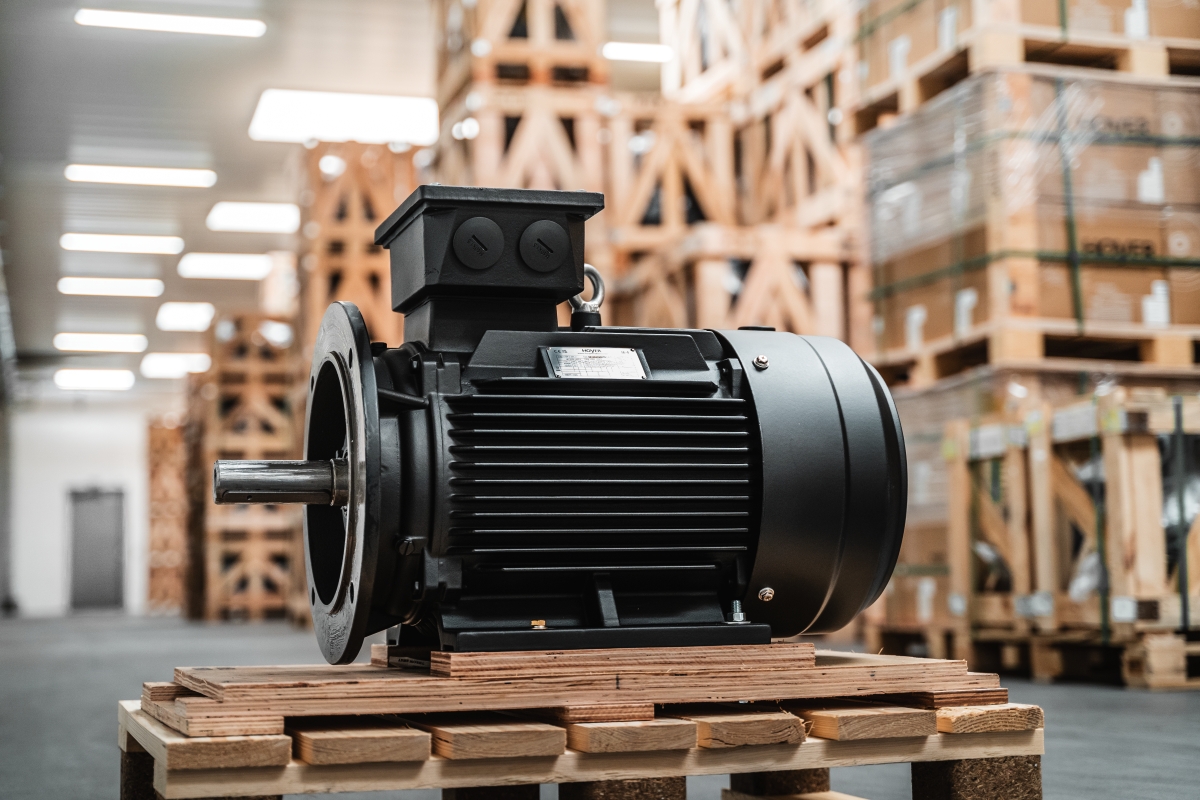
IE3 / IE4 Custom
Heavy-Duty OEM Motors
Super-premium efficiency motors with customized mounting dimensions, special flange adapters, and low-loss silicon steel laminations designed to minimize lifecycle power usage.
Modern global procurement has evolved beyond simple power rating (kW), voltage, and RPM selection. In modern industrial automation, marine propulsion, offshore pumping, and heavy material handling, standard catalog electric motors frequently reach their physical and electrical limits. Global buyers searching for custom electric motors are rarely seeking simple vanity customization; they are resolving complex engineering bottlenecks created by harsh environments, non-standard mechanical footprints, strict marine classification requirements, or advanced Variable Frequency Drive (VFD) switching harmonics.
When an original equipment manufacturer (OEM) integrates a standard IEC frame into a proprietary winch, hydraulic power unit (HPU), or specialized pump system, mismatch issues emerge in three primary dimensions:
Custom electric motors resolve these critical bottlenecks by aligning motor design directly with the operational stress profile of the target machine, achieving optimized reliability, extended mean time between failures (MTBF), and significant Total Cost of Ownership (TCO) reductions.
Figure 1: Custom engineered Hoyer IE4 super-premium efficiency motor featuring customized cast-iron housing and heavy-duty terminal block integration.
Engineers evaluating custom electric motors must distinguish between mechanical adaptation, electrical redesign, and structural environmental hardening. The table below details the scope of customization available for high-demand industrial and marine applications:
| Customization Vector | Standard Catalog Motor | Fit-for-Purpose Custom Motor Solution | Operational Impact |
|---|---|---|---|
| Shaft Engineering | Standard cylindrical keyed shaft (IEC 60072-1) | Tapered shafts, dual-ended extensions, splined DIN 5480 profiles, AISI 316 stainless steel, non-standard diameters. | Eliminates external adapters, handles high axial/radial forces, prevents torsional shear failures. |
| Winding & Voltage | Fixed dual-voltage (e.g., 400V/690V 50Hz) | Tailored copper slot fills, custom turns ratio for 440V 60Hz, 575V, 690V, or low-voltage DC/inverter duty; Class H vacuum pressure impregnation (VPI). | Optimizes magnetic flux density, extends insulation life under high ambient temperatures and VFD voltage spikes. |
| Bearing Systems | Standard C3 deep groove ball bearings | Regreasable angular contact bearings, cylindrical roller bearings (drive end), insulated SKF INSOCOAT bearings, hybrid ceramic balls. | Prevents electric bearing fluting under VFD operation; withstands heavy belt pull and axial thrust forces. |
| Ingress & Coating | IP55 enclosure, standard alkyd paint (C2/C3) | IP66/IP67/IP68 sealing, labyrinth shaft seals (V-ring/Gamma seal), ISO 12944-2 C5-M / CX marine epoxy paint systems. | Prevents moisture ingress, survives corrosive salt fog, high-pressure hose-down, and chemical exposure. |
| Thermal Protection | Basic 130°C/150°C PTC thermistors | Dual PT100 platinum RTD sensors in windings and bearing housings, anti-condensation space heaters, SPM vibration monitoring studs. | Enables real-time condition monitoring, predictive maintenance, and early warning before catastrophic failure. |
Hoyer Motors engineers tailored solutions by combining standard IEC modular platforms with fast-turnaround custom engineering processes.
Super-premium efficiency motors with customized mounting dimensions, special flange adapters, and low-loss silicon steel laminations designed to minimize lifecycle power usage.
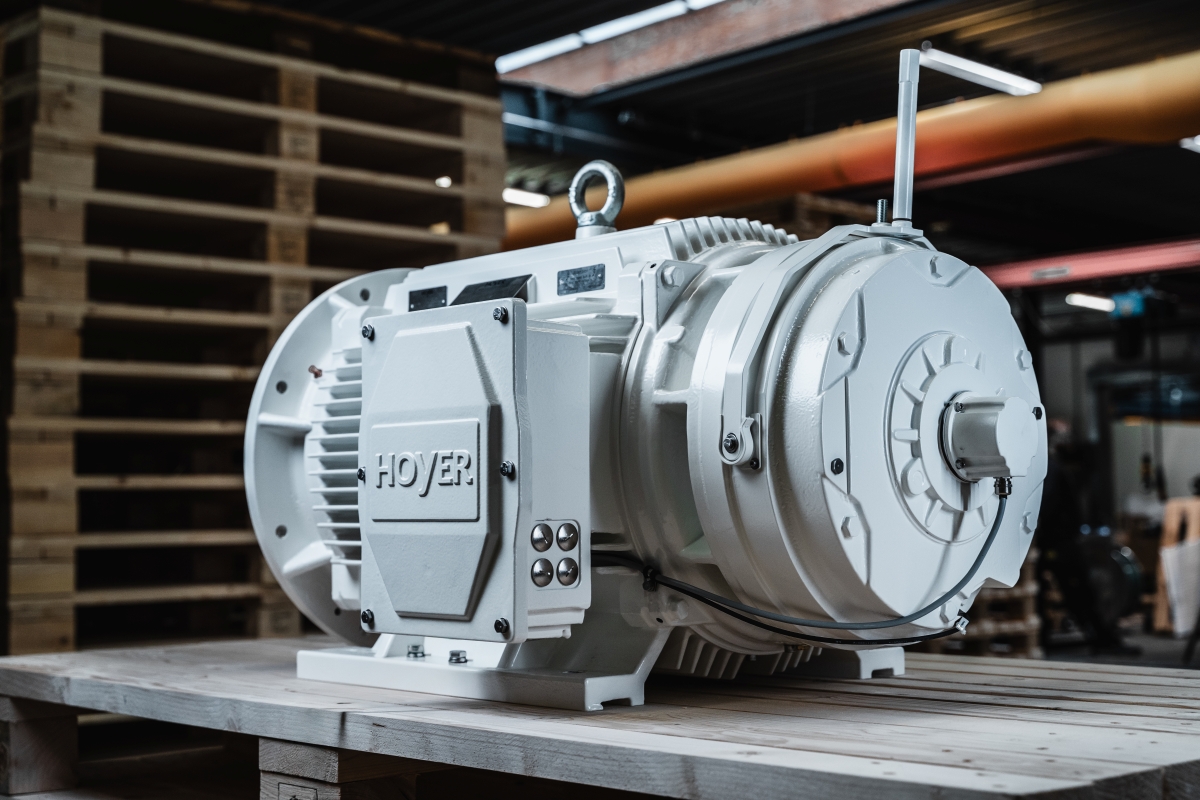
DNV, ABS, BV, and Lloyd's certified custom electric motors equipped with anti-condensation space heaters, C5-M marine epoxy paint, and IP66 marine sealing for winches and thrusters.
Integrated electromagnetic brake solutions customized with manual release levers, dual-circuit DC switching, microswitches for brake wear monitoring, and high-duty cycle windings.
Explosion-proof Ex d / Ex eb custom electric motors and medium-voltage solutions engineered for chemical processing, offshore oil rigs, and heavy mining infrastructure.
Global procurement directors and supply chain strategists face shifting market dynamics when sourcing custom rotating equipment. Understanding these macroeconomic trends allows OEMs to future-proof their supply chains:
1. Shift from Transactional Purchasing to Modular Buffer Stocking: Traditional lead times of 16 to 24 weeks for factory ground-up custom motors present severe risks to production schedules. Modern procurement strategies utilize "modular customization"—sourcing pre-qualified, heavy-duty IEC cast-iron base motors maintained in regional buffer stocks (such as Hoyer's 70,000+ motor inventory) and rapidly modifying them in local technical facilities. This reduces fulfillment cycles from months to days.
2. Mandatory Life-Cycle Carbon Footprint Auditing (Scope 3): Industrial buyers are increasingly required to report Scope 3 emissions under EU CSRD (Corporate Sustainability Reporting Directive) and global ESG frameworks. Custom electric motors are no longer evaluated solely on initial purchase price, but on lifecycle energy efficiency (IE4 super premium and IE5 ultra premium levels) and raw material recyclability.
3. Decoupling & Dual-Region Verification: Geopolitical risks and maritime logistics bottlenecks require OEMs to mandate dual-hub engineering verification. Procurement teams prefer motor partners with unified quality control standards across both European (e.g., Denmark HQ) and Asian (e.g., Ningbo APAC) operational hubs.
Emerging motor technologies are redefining how electric drives interact with automated machinery, power grids, and digital networks.
Future custom electric motors are directly integrated with embedded vibration accelerometers, magnetic flux sensors, and bearing temperature transducers. Rather than mounting external aftermarket sensors, custom stator frames and end-shields are machined to house flush-mounted sensors connected to IoT gateways, enabling true real-time predictive health monitoring (PdM).
As Wide Bandgap (WBG) semiconductors like Silicon Carbide (SiC) and Gallium Nitride (GaN) enter industrial Variable Frequency Drives, switching frequencies and dV/dt rise times are increasing dramatically. Advanced custom electric motors incorporate hybrid ceramic bearings, electrostatic shaft grounding brushes, and reinforced corona-resistant magnet wire to neutralize high-frequency shaft currents.
For applications where space and weight are critical—such as marine electric propulsion, deck cranes, and mobile hydraulic machinery—custom motor development is expanding from traditional induction motors to Permanent Magnet Synchronous Motors (PMSM) and Synchronous Reluctance Motors (SynRM). These designs yield higher torque density in smaller frame sizes.
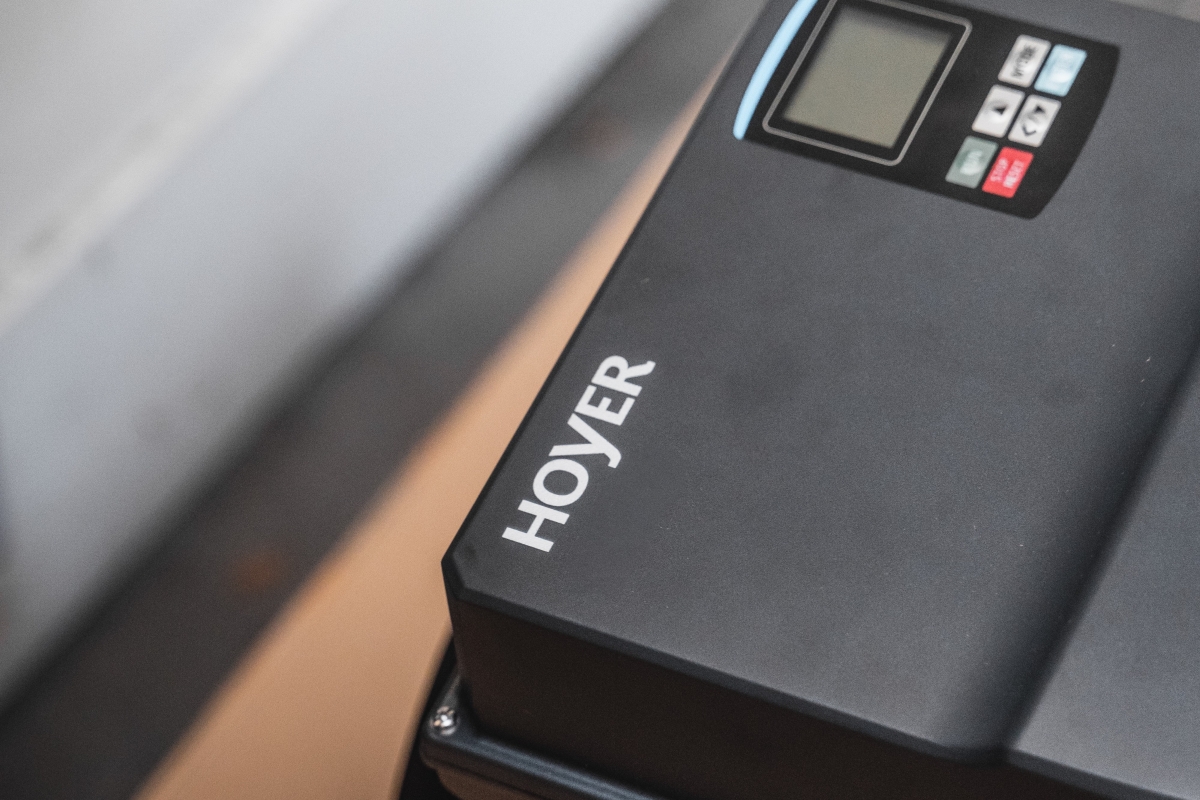
Figure 2: Custom motor automation assembly featuring integrated drive matching, continuous thermal testing, and dynamic balancing.
Technical answers to common engineering questions encountered during the specification and purchase of custom electric motors.
When customizing electric motor shafts (increasing length, reducing diameter, turning down keyways, or machining splines), mechanical fatigue stress concentrations increase dramatically at fillet radii and keyway shoulders. Engineers must calculate torsional shear stress and bending moments under maximum startup overload torque. Hoyer’s engineering team uses Finite Element Analysis (FEA) and fatigue life modeling to ensure custom shaft designs maintain adequate safety factors. We routinely utilize high-tensile alloy steels (such as 42CrMo4 or AISI 316 stainless steel for marine environments) when customized geometry places elevated stress on standard carbon steel shafts.
Standard electric motors are rated for Class F insulation (155°C limit) with a Class B temperature rise (80K limit at 40°C ambient). When operating in high ambient environments (e.g., engine rooms, hot industrial plants up to +60°C) or within tightly insulated OEM machine enclosures, custom motors should be engineered with Class H insulation (180°C limit) combined with Vacuum Pressure Impregnation (VPI) using high-grade resin. Specifying Class H materials while designing the operational thermal rise to remain within Class F or Class B limits provides a thermal buffer, doubling winding life for every 10°C reduction in operating temperature.
Variable Frequency Drives (VFDs) generate fast-rising voltage pulses (high dV/dt) that cause non-uniform voltage distribution across the first turns of motor windings and induce common-mode shaft voltages. Custom inverter-duty motors incorporate three layers of protection: (1) Reinforced phase-to-phase and phase-to-ground insulation using mica tape and inverter-grade magnet wire; (2) Insulated bearings (such as SKF INSOCOAT ceramic-coated inner/outer rings) on the non-drive end to interrupt circulating bearing currents; and (3) Electrostatic shaft grounding rings (such as Aegis micro-fiber rings) on the drive end to safely bleed off electrostatic shaft charges.
Full ground-up factory custom motor design (custom casting molds, specialized stator lamination stamping, custom shaft forging) typically requires a lead time of 12 to 22 weeks. In contrast, modular customization leverages a large stock of high-grade base IEC cast iron motors (IE3/IE4). In-house modification workshops can re-machined shafts, fit custom flanges (B5/B14/B35), install space heaters, PT100 RTDs, forced ventilation units, and apply C5-M marine paint systems within 1 to 3 weeks, significantly accelerating time-to-market for OEM projects.
Marine classification certification involves strict type approval and individual motor survey procedures governed by IACS (International Association of Classification Societies) rules. Motors driving essential shipboard machinery (thrusters, ballast pumps, fire pumps, steering gear) exceeding specific power thresholds (typically 100 kW for continuous duty) require physical survey witnessing by a class surveyor. Hoyer Motors maintains direct relationships with DNV, ABS, Bureau Veritas, and Lloyd's Register, conducting type testing, routine thermal tests, vibration checks, and high-voltage insulation tests in certified test bays.
Yes. Retrofit projects frequently involve replacing obsolete legacy electric motors that featured non-standard shaft heights, unique foot-mounting hole centers, or compact overall length dimensions. Custom motor engineering can adapt a modern high-efficiency stator core into a customized outer frame or design transitional mounting adapter bases and custom extended shafts. This allows OEMs and plant operators to upgrade to modern IE4 efficiency levels without altering existing mechanical bedding plates or pipework couplings.
Deck-mounted marine equipment is subject to extreme salt spray, UV degradation, and green-water impacts. Custom electric motors built for these environments must comply with ISO 12944-2 paint category C5-M (Marine High) or CX (Extreme Offshore). This requirement is satisfied using multi-layer paint systems consisting of a zinc-rich epoxy primer, an intermediate epoxy tie coat, and a polyurethane topcoat with a minimum total Dry Film Thickness (DFT) of 300 to 360 microns. In addition, exposed hardware must be upgraded to AISI 316 stainless steel, and terminal boxes must be sealed with neoprene or fluorocarbon gaskets achieving IP66 or IP67 ingress protection.
With more than 50 years of application experience, Hoyer Motors provides a reliable foundation for custom electric motor engineering, backed by technical accountability and worldwide logistics support.
Our engineering teams possess deep field experience across marine, offshore, hydraulic, ventilation, and heavy industrial applications. We understand the specific operational demands of your machinery and design custom motor solutions that prevent field failures.
By maintaining a global stock of over 70,000 electric motors, Hoyer eliminates lengthy factory lead times. Our specialized modification centers transform standard stock units into custom-engineered motors quickly and reliably.
As part of Hoyer VMS Group, we offer end-to-end support spanning initial engineering, custom prototyping, production, factory testing, marine classification witness, and full lifecycle MRO aftermarket support worldwide.
Our advanced in-house test bays perform routine, type, and specialized load testing under simulated environmental conditions. Coupled with our 24/7 global service capability, we keep your critical machinery in motion anywhere in the world.
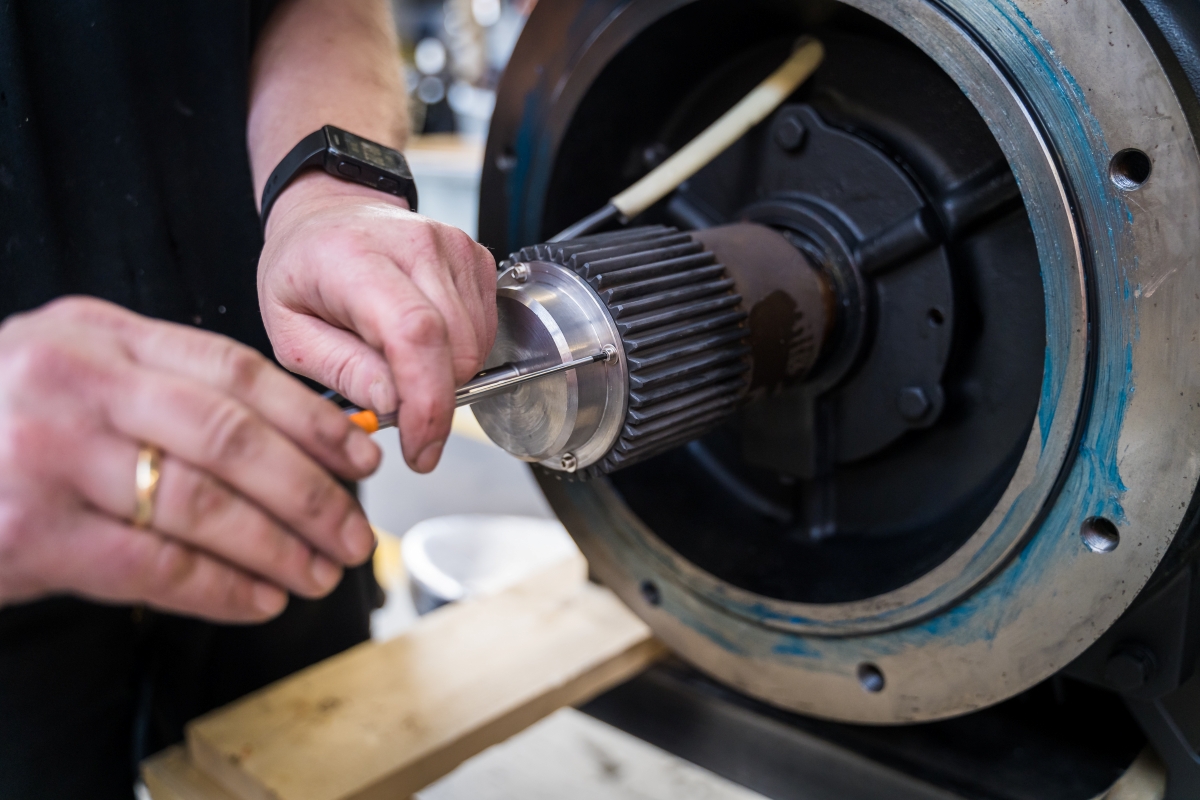
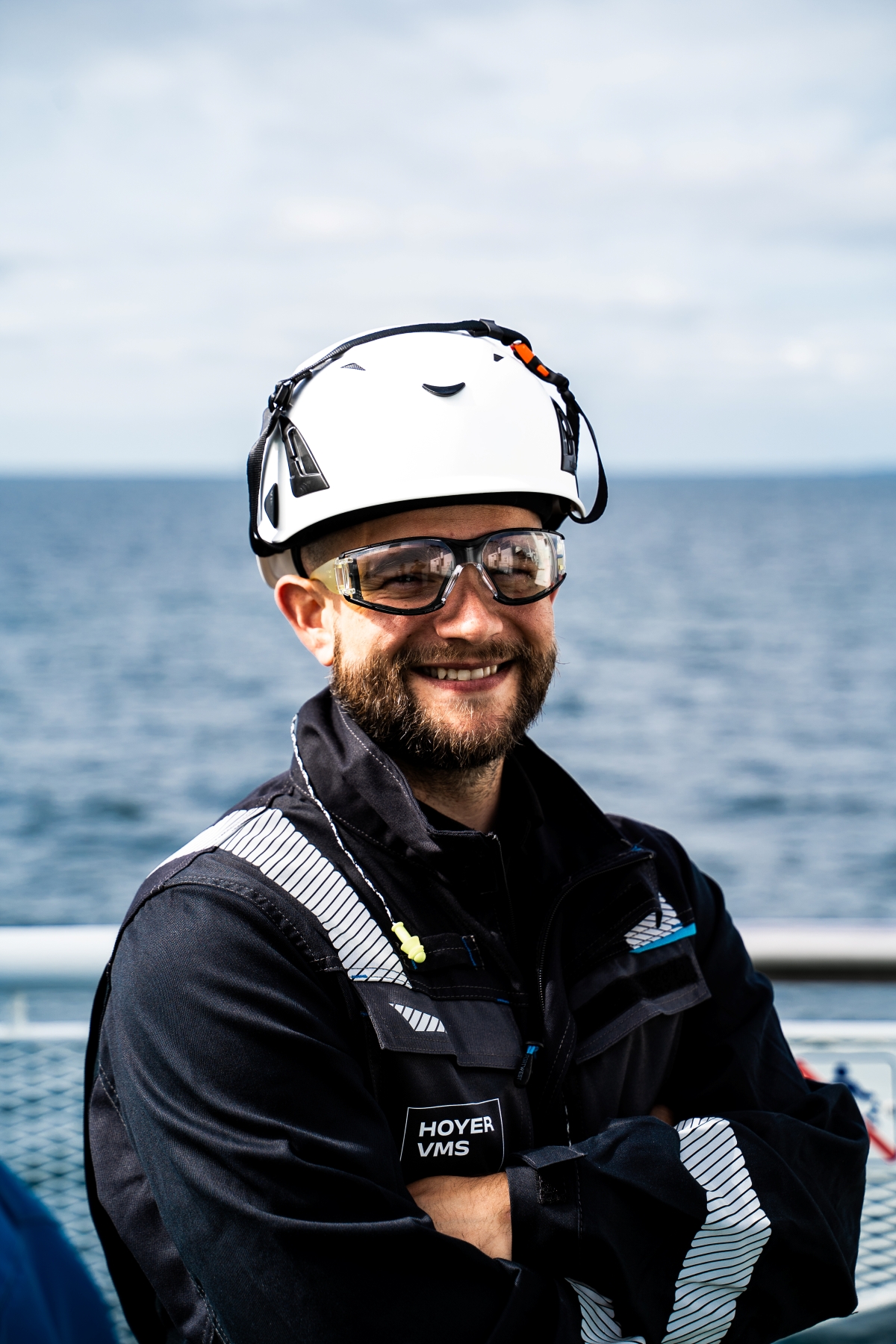
Figure 3: Quality assurance engineers inspecting custom wound motor assemblies prior to final marine survey certification.
Download our technical product catalogs, engineering datasheets, and custom motor specification guidelines. Connect with our dedicated application engineers today.
Get Catalog