
Engineered to meet stringent DNV, ABS, Lloyd's Register, and PETRONAS SWEC compliance for shipyards and offshore facilities across Malaysia.
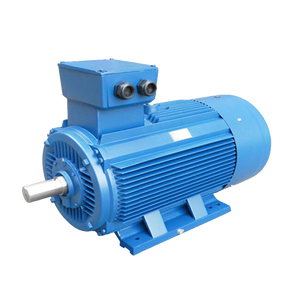
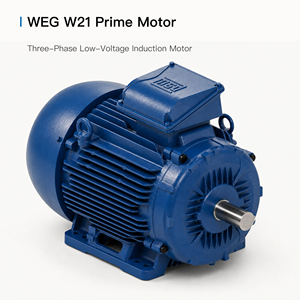
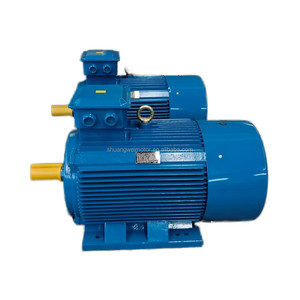
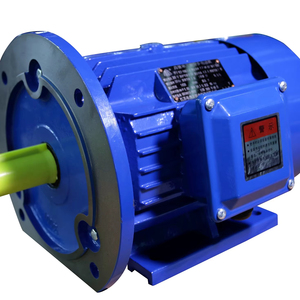
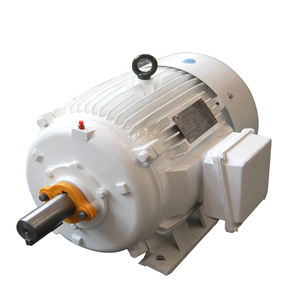
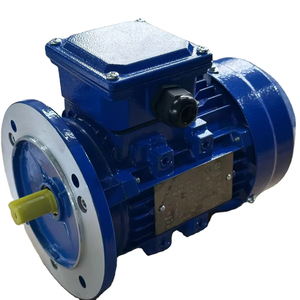
Malaysia stands as a pivotal maritime powerhouse in Southeast Asia, strategically controlling key lanes in the Straits of Malacca and South China Sea. From the bustling container terminals of Port Klang and Pelabuhan Tanjung Pelepas (PTP) to the offshore oil and gas platforms off Kemaman, Miri, and Bintulu, the demand for high-reliability marine auxiliary motors has escalated dramatically. Marine auxiliary electric motors serve as the vital heartbeat of shipboard operational infrastructure, powering everything from heavy ballast pumps and cooling systems to emergency fire pumps, engine room ventilation, winches, and bow thrusters.
Operating electric motors within Malaysia’s marine sector introduces distinct engineering challenges. Shipowners, shipyards (such as MMHE in Pasir Gudang and Boustead Heavy Industries in Lumut), and offshore vessel operators require motor solutions designed specifically to withstand high ambient temperatures (often exceeding 45°C to 50°C inside machinery spaces), extreme relative humidity (above 90%), and continuous salt-spray exposure. Standard industrial electric motors rapidly degrade under these tropicalized, highly corrosive conditions, leading to premature insulation breakdown, bearing failure, and costly vessel downtime.
Technical Insight for Marine Procurement: Marine auxiliary motors operating in Malaysian tropical waters must strictly adhere to Class F or Class H thermal insulation guidelines with Class B temperature rise limits, alongside cast-iron frames, IP56/IP66 enclosure protection, anti-condensation heaters, and marine classification society certification (e.g., DNV, ABS, LR, ClassNK, BV).
Unlike main propulsion engines which operate under steady cruising loads, marine auxiliary motors endure frequent duty cycling, severe vibration profiles, and variable loads. The failure of even a minor auxiliary motor—such as a 15kW lube oil pump motor or a fuel transfer pump—can trigger an immediate main engine shutdown, stranding commercial cargo vessels or offshore support vessels (OSVs).
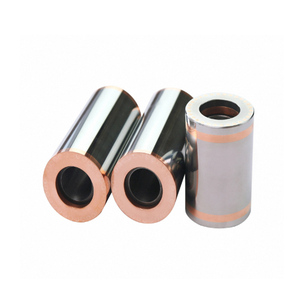
Leading manufacturers and suppliers in Malaysia now provide specialized marinized motors designed with high-grade copper windings, vacuum pressure impregnation (VPI) varnish treatment, specialized stainless steel hardware, and certified explosion-proof (Ex d / Ex de) enclosures for hazardous zone operations onboard tankers and FPSOs.
Specialized epoxy coatings, double-lip oil seals, and IP56/IP66 ingress protection safeguard against salt moisture and 50°C tropical engine-room temperatures.
Full certification across DNV, ABS, Lloyd's Register, Bureau Veritas, and ClassNK ensures seamless integration into newbuilds and retrofits.
IE3 and IE4 super-premium efficiency motors designed for Variable Frequency Drives (VFD) reduce fuel consumption and CO2 emissions onboard.
Targeted solutions deployed across major Malaysian ports, shipyards, and offshore oilfields.
In major ports like Port Klang and Johore Port, commercial container ships and dry bulkers rely on auxiliary induction motors to drive high-capacity seawater cooling pumps, jacket water pumps, and fuel oil feed systems. Motors operating in these environments must feature heavy cast-iron frames (FC200/FC300) to absorb mechanical vibration and prevent shaft deflection during continuous operation.
With Malaysia enforcing strict IMO Ballast Water Management Convention standards, shipyards across Lumut, Penang, and Pasir Gudang are actively retrofitting vessels with advanced BWMS. These systems utilize compact IE3/IE4 motors (ranging from 15kW to 300kW) driving specialized filtration units and UV dosing pumps. Furthermore, emergency fire pumps require instant start-up reliability under high overload capacities.
Malaysia's offshore hubs in Kemaman (KSB), Labuan, and Miri require marine auxiliary motors that strictly comply with PETRONAS Standardized Work & Equipment Categories (SWEC). Auxiliary motors driving anchor handling winches, mud pumps, dynamic positioning (DP) thrusters, and deck cranes on OSVs and AHTS vessels are subjected to harsh open-deck weather conditions, requiring IP66 or IP67 ratings with heavy-duty marine brake assemblies.
Onboard tugboats and barges operating along the Rajang River in Sarawak or navigating the Straits of Malacca, electric brake motors deliver high starting torque and precise position hold. Heavy-duty dual-speed or VFD-driven electric motors ensure smooth pay-out and haul-in of mooring lines during demanding dockside maneuvers.
| Auxiliary System Application | Typical Power Range | Enclosure & IP Rating | Efficiency Class | Recommended Insulation | Malaysian Compliance Requirement |
|---|---|---|---|---|---|
| Seawater / Lube Oil Pumps | 5.5 kW – 110 kW | Cast Iron IP55 / IP56 | IE3 / IE4 | Class F (Temp Rise B) | DNV / ABS Class Approved |
| Engine Room Fans & Blowers | 2.2 kW – 45 kW | Flange Mounted IP56 | IE3 Premium | Class F Insulation | MS IEC 60034 Standard |
| Deck Winches & Anchor Capstans | 11 kW – 160 kW | Brake Motor IP66/IP67 | IE2 / IE3 High Torque | Class H Marine Duty | Salt-spray resistant C5-M Paint |
| Offshore Hazardous Pumps (FPSO) | 15 kW – 315 kW | Ex d / Ex de IIC T4 | IE3 / IE4 Super Premium | Class H (VPI Treated) | ATEX / IECEx / PETRONAS SWEC |
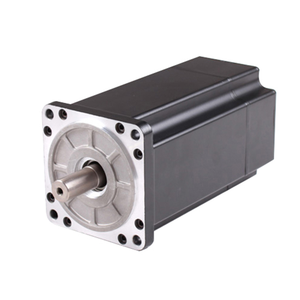
| Robotic Auxiliaries & Actuators | 1.0 kW – 5.0 kW | Compact BLDC / NEMA 42 | High Density BLDC | Tropicalized Epoxy | ROV & Marine Automation Certified |
Adapting to global IMO GHG reduction targets and national green maritime initiatives.
The global shipping industry is undergoing a structural transition toward decarbonization, driven by the International Maritime Organization's (IMO) carbon intensity indicator (CII) and EEXI (Energy Efficiency Existing Ship Index) regulations. In Malaysia, the Ministry of Transport and local maritime agencies are pushing green port initiatives and fleet efficiency modernization. Marine auxiliary motors account for up to 30% of a ship's total onboard electrical load; replacing legacy IE1 or IE2 motors with IE4 Super Premium Efficiency motors directly reduces fuel consumption of auxiliary diesel generators.
Backed by over 50 years of engineering leadership, vast inventory stocking, and rapid technical execution.
We bring deep technical experience in engineering marine-duty electric motors tailored to strict OEM specs and extreme sea-going conditions.
Vast global and regional logistics hubs ensure standard IE2, IE3, IE4, and brake motors are delivered swiftly to minimize vessel port stay times.
From initial engineering specification and factory testing to 24/7/365 emergency field repairs, retrofits, and spare parts supply across APAC.
Essential technical and regulatory guidance for marine procurement managers and port engineers.
Most commercial vessels and shipyards in Malaysia operate on standard 440V / 60Hz or 400V / 50Hz 3-phase electrical supplies. Our marine auxiliary motors are available with dual-frequency (50/60Hz) wide-voltage windings to accommodate both international ocean-going vessels (60Hz standard) and regional coastal marine installations (50Hz standard).
For vessels registered under the Malaysian Flag or operating under PETRONAS charter requirements, auxiliary motors driving essential services (pumps, steering gear, fire systems) must carry type approval or individual batch certificates from recognized IACS classification societies such as DNV, American Bureau of Shipping (ABS), Lloyd's Register (LR), Bureau Veritas (BV), or ClassNK.
Malaysia's ambient engine-room temperatures often reach 45°C–50°C with humidity exceeding 90%. Standard motors overheat and suffer rapid insulation breakdown under these conditions. Tropicalized marine motors utilize Class H vacuum pressure impregnated (VPI) insulation, anti-condensation heaters, stainless steel hardware, and C5-M marine-grade epoxy painting to ensure reliable long-term service.
Through our dedicated regional stock policy and strategic warehousing, standard frame IE3/IE4 motors (B3, B5, B35 mounting) can be dispatched within 24 to 48 hours to major hubs including Port Klang, PTP Johor, Kemaman Supply Base, Lumut, and Labuan, minimizing vessel laytime and avoiding expensive demurrage costs.
Contact our technical sales team in Malaysia for custom motor configurations, class approval documentation, and instant price quotations.