
1. Engineering Architecture of Integrated Drive Motors (IDMs)
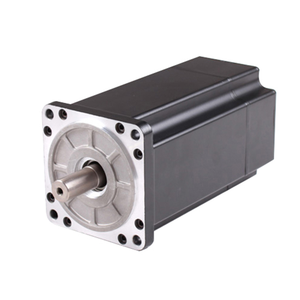
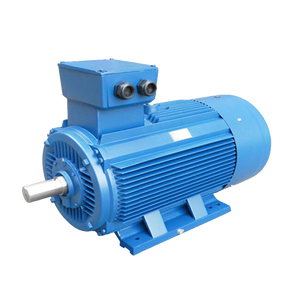
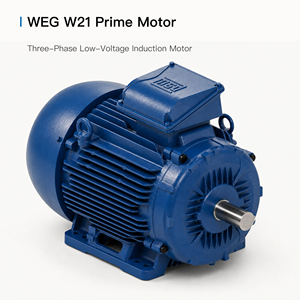
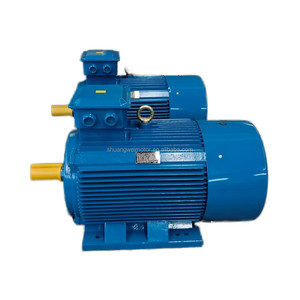
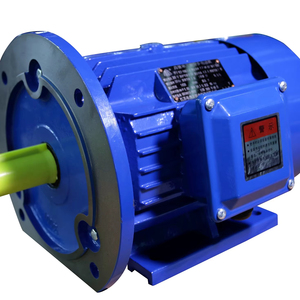
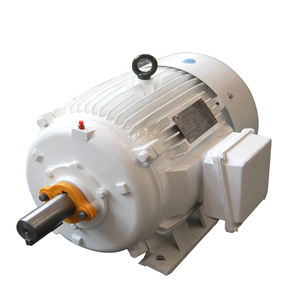
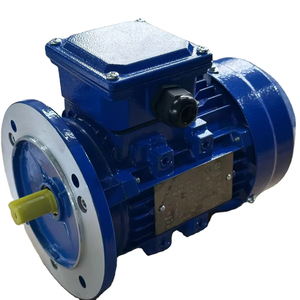
The shift toward decentralized industrial automation and ultra-efficient electromechanical power transmission has fundamentally reshaped motor specification requirements across Greater Sydney and New South Wales (NSW). Integrated Drive Motors (IDMs)—also referred to as smart variable speed motors or decentralized drive units—combine an asynchronous induction motor or Permanent Magnet Synchronous Motor (PMSM/EC) directly with an onboard Variable Frequency Drive (VFD) power electronics package within a single enclosed housing. By eliminating external cabinet-mounted inverters and lengthy shielded motor cables, IDMs address the physical, thermal, and electromagnetic challenges inherent in conventional power drive systems (PDS).
For plant engineers, marine OEMs, and infrastructure contractors across Sydney’s primary industrial belts—including Wetherill Park, Eastern Creek, Botany, and the Western Sydney Aerotropolis—integrated motor-drive technology represents a paradigm shift. Traditional installations requiring long cable runs between central motor control centers (MCC) and remote equipment often suffer from severe voltage reflection phenomena ($\text{d}V/\text{d}t$ spikes), high capacitive cable charging currents, electromagnetic interference (EMI) radiation, and premature winding breakdown due to micro-arcing. Direct physical integration mitigates these transmission line effects, placing power electronics control within millimeters of the stator windings.
Key Engineering Gains: Integrating the inverter directly onto the motor frame cuts cabinet footprint by up to 70%, eliminates $\text{d}V/\text{d}t$ filters, guarantees EMC compliance (AS/NZS CISPR 11 / EN 61800-3), and delivers system-level efficiencies exceeding IEC 60034-30-2 (IES2 / IE5) performance classes.
The mechanical topology of modern integrated drive units relies on optimized heat-sink cast aluminum or cast iron frames. The power electronics module—utilizing modern Silicon Carbide (SiC) or advanced IGBT switches—is mounted on a thermally isolated heatsink cooled by the primary motor fan or liquid-cooling jackets. This structural integration preserves thermal boundary limits even under full-torque low-speed operations, ensuring reliable performance in ambient Sydney summer conditions up to 45°C.
2. Sydney Market Dynamics & Localized Application Scenarios
The Greater Sydney metropolitan area and its surrounding industrial nodes present distinct operational environments ranging from highly corrosive marine coastal zones to high-throughput automated logistics facilities. Navigating local regulatory frameworks—such as the Australian Minimum Energy Performance Standards (MEPS), the National Construction Code (NCC) energy efficiency clauses, and AS/NZS 3000 (Wiring Rules)—requires dedicated engineering foresight when procuring drive technologies.
Port Botany & Maritime Terminals
Deploying drive systems at container handling, bulk liquid processing, and shipbuilding sites along Botany Bay demands C4/C5 marine-grade epoxy coatings, stainless steel hardware, and IP66/IP69K ingress protection against high-salinity air, heavy seaspray, and chemical washdowns.
Western Sydney Logistics Hubs
Distribution centers in Eastern Creek, Wetherill Park, and Kemps Creek rely on high-dynamic response BLDC/PMSM integrated drives for Automated Storage and Retrieval Systems (AS/RS), parcel sorting conveyors, and AGV charging loops where whisper-quiet operation and dynamic torque response are critical.
Sydney Water & Utility Infrastructure
Municipal water treatment networks (such as Malabar, Prospect, and Kurnell Desalination) leverage integrated drive motors for booster pumping stations and sludge aeration, capitalizing on integrated PID loop controllers to adjust flow based on line pressure without separate PLC intervention.
Sub-tropical Climate Considerations: Western Sydney frequently records summer ambient temperatures surpassing 40°C–45°C. Conventional drive cabinets often require dedicated air conditioning units that draw substantial power and introduce filter-clogging failure points. Integrated drive motors engineered with broad thermal derating curves and high-grade Class H insulation (operating within Class B temperature rise limits) ensure continuous full-load rating without extra enclosure cooling costs.
Technical Architecture Comparison: Standalone VFD vs. Integrated Drive Motor
| Specification Parameter | Standalone Inverter + Motor Setup | Integrated Drive Motor (IDM) | Impact on Sydney Operations |
|---|---|---|---|
| EMC / RMI Compliance | Requires external chokes, shielded cables & strict earthing (AS/NZS CISPR 11) | Factory pre-certified complete assembly (Class C2/C1 internal) | Zero risk of electrical noise interfering with adjacent control networks or telemetry. |
| Motor Cable Run | Up to 100 meters (introduces wave reflections & voltage overshoot) | Zero external motor cable (< 0.1m internal copper bus link) | Eliminates winding insulation degradation; extends bearing lifespan significantly. |
| Switchboard Footprint | Large switchroom footprint required for drive cubicles | Zero switchroom footprint; decentralized frame mounting | Reduces floor space requirements in high-cost Sydney industrial real estate. |
| Commissioning Complexity | Multi-step parameter tuning, cable length calibration & motor mapping | Pre-tuned factory pairing of inverter vector control to motor parameters | Plug-and-play installation cuts local field labor costs and setup time by up to 60%. |
| Protection & Sealing | Cabinet: IP54 typical; Motor: IP55 | Unified Housing: IP65, IP66, or IP69K options | Superior defense against harsh coastal moisture, industrial washdowns, and ambient dust. |
3. Electrical Engineering Physics: Shaft Currents & Loss Mitigation
A core technical challenge in modern Pulse-Width Modulated (PWM) variable speed drives is the generation of high-frequency Common Mode Voltage (CMV). In traditional separate-component drive setups, CMV induces parasitic shaft voltages that discharge through the motor bearings, causing electrical discharge machining (EDM) pitting, fluting, and premature grease degradation.
Integrated drive motor factories overcome these failure modes through holistic electromechanical co-design:
- Integrated Symmetrical Shielding: Internal power connections maintain micro-scale loop areas, dramatically lowering high-frequency capacitive coupling to the stator frame.
- Insulated Bearing Coatings & Ceramic Balls: Drives above 11 kW incorporate hybrid ceramic bearings (Si3N4) or insulated non-drive end shield sleeves as standard build spec, completely interrupting circulating shaft currents.
- Internal Micro-Channel Grounding Rings: Conductive micro-fiber grounding rings are enclosed within the end-shield housing away from external dust and environmental contaminants, bleeding off electrostatic charge safely to earth.
Furthermore, from a power quality perspective, Sydney commercial and industrial facilities must strictly adhere to grid harmonics guidelines (AS/NZS 61000.3.12 / IEEE 519 standards). High-performance integrated drive motors integrate low-harmonic DC chokes or active front-end (AFE) input topologies, maintaining Total Harmonic Distortion of Current ($\text{THDi}$) below 5% at full rated load, eliminating the need for bulky passive harmonic filters.
4. Enterprise Strength: Global OEM Heritage & Localized Readiness
Selecting an integrated drive supplier serving the Sydney and broader Australian market requires evaluating supply chain resilience, testing capabilities, and long-term MRO (Maintenance, Repair, and Overhaul) infrastructure. Backed by over 50 years of continuous electromechanical development, our manufacturing footprint aligns with global marine and industrial standards, backed by standard inventory stocking surpassing 70,000 unit components globally.
Custom Winding & Mechanical Modifications
Custom shafts (keyless, double-extension, spline), non-standard flange machining (FF, FT, NEMA C/D), special tropicalized insulation, and anti-condensation heating elements fitted for local Sydney humidity requirements.
Full Marine & Industrial Class Certification
Products are pre-certifiable upon request to major classification societies including DNV, ABS, Lloyd’s Register, Bureau Veritas, and RINA, matching stringent offshore and commercial shipping rules.
24/7 Global & Regional MRO Support
Integrated lifecycle support in synergy with Hoyer VMS Group engineering capabilities, providing fast turnarounds, spare electronics boards, mechanical retrofits, and on-site diagnostic inspections across Australia.
5. Frequently Asked Questions (Sydney Purchaser & Engineer Guide)
Accelerate Your System Electrification & Energy Upgrade Today
Connect directly with our senior application engineers serving Greater Sydney and New South Wales. Receive tailored technical datasheets, CAD 3D models, and competitive direct factory pricing.
Get a Quote