Engineered for extreme offshore salinity, high tropical humidity, and hazardous gas/dust zones across Brazil. High-durability Ex junction housings aligned with ABNT NBR IEC standards.
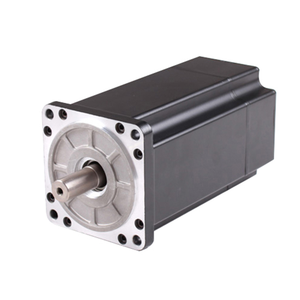
Precision Nema 42 BLDC motor integrated with compact Ex-d IP66 terminal box module for automated robotic applications in hazardous zones.
Get Catalog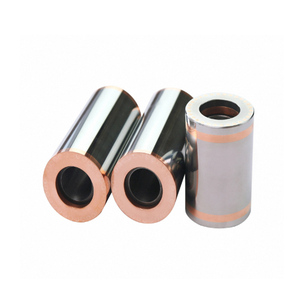
Heavy-duty marine duty induction motor featuring top-mounted cast aluminum Ex d flameproof terminal enclosure for FPSO pumps.
Get Catalog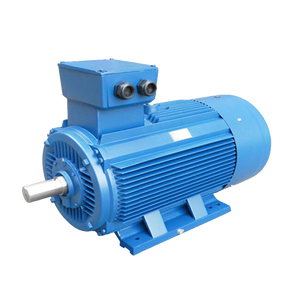
Designed for 800KW large-capacity industrial pumps and blowers with anti-vibration high-voltage Ex-e terminal strip configuration.
Get Catalog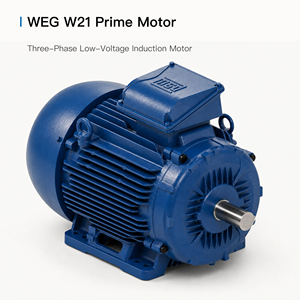
Cast iron high-efficiency energy-saving motor equipped with multi-entry NPT/Metric explosion-proof terminal connection box.
Get Catalog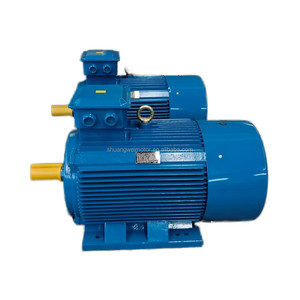
Super premium efficiency 3-phase motor incorporating 100% copper copper-busbar Ex d explosion-proof junction box IP55/IP66.
Get Catalog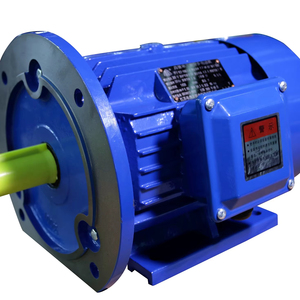
Original factory high-efficiency induction motor designed for South American process plants with tropicalized insulation terminal seals.
Get Catalog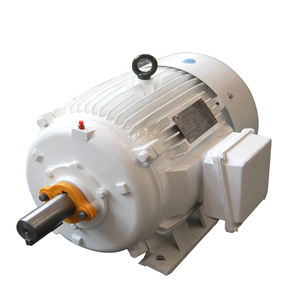
Rugged cast iron NEMA standard motor terminal unit engineered to withstand aggressive chemical environments and high mechanical shock.
Get Catalog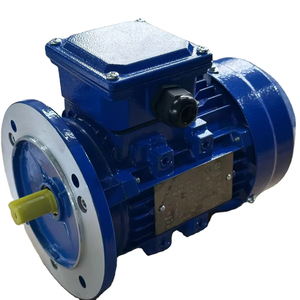
B3/B35/B5 adaptable motor terminal box engineered for rapid maintenance access in hazardous sugar mill and biofuel processing plants.
Get CatalogNavigating the complex industrial landscape of Brazil requires strict adherence to localized hazardous area regulations, environmental resilience, and mechanical integrity. As a primary economic powerhouse in South America, Brazil operates vast facilities in offshore oil and gas (notably the pre-salt Santos and Campos basins), sugar-ethanol bioenergy refining, mining processing, and heavy chemical synthesis. Operating electrical equipment within these environments presents unique hazards: explosive hydrocarbon gases (Zone 1 and Zone 2), combustible organic dusts (Zone 21 and Zone 22), high ambient humidity, and extreme offshore marine salinity.
Explosion proof terminal boxes (caixas de ligação à prova de explosão) serve as critical safety interfaces for electric motors, power distribution systems, instrumentation networks, and heavy machinery. A structural failure or inadequate seal on a junction housing can trigger catastrophic thermal ignition in volatile atmospheres. This comprehensive guide reviews the architectural engineering, metallurgical selection, INMETRO compliance standards, and localized deployment strategies required for procurement teams and OEM system integrators specifying equipment for Brazil.
Choosing the appropriate material and protection concept is foundational to operational safety. Our manufacturing framework delivers specialized junction enclosures designed around three primary protection topologies: Ex d (Flameproof), Ex e (Increased Safety), and combined Ex de protection modes.
Engineered specifically for offshore FPSO topsides and coastal refineries. Offers superior resistance to pitting corrosion in high-chloride marine environments. Features electro-polished surfaces and continuous silicone gasket seals rated to IP66/IP67/IP68.
Utilizes low-copper (<0.1% Cu) alloy casting coated with epoxy-polyurethane C5-M marine paint system. Combines robust flameproof pressure containment with lighter structural weight, optimal for large motor connection boxes.
High-strength, anti-static non-metallic enclosures designed for chemical processing plants. Eliminates galvanic corrosion risk, resists harsh acids, and maintains structural elasticity under extreme UV radiation exposure.
Deploying electrical infrastructure in Brazil demands an understanding of localized geographic and industrial conditions. Standard off-the-shelf industrial enclosures often fail prematurely due to high humidity, extreme ambient solar loading, and corrosive atmospheric contaminants.
Operating Environment: Floating Production Storage and Offloading (FPSO) vessels, drillships, and offshore platforms operating up to 300 km off the Brazilian coast.
Key Hazard: Constant exposure to salt spray, hydrogen sulfide (H2S), heavy vibration, and volatile hydrocarbon gas leaks (Group IIB+H2 or IIC).
Terminal Box Requirement: Heavy-wall stainless steel AISI 316L Ex d enclosures featuring double-compression marine cable glands, internal anti-condensation heaters, and certified IP66/68 ingress integrity to withstand green water deck wash.
Operating Environment: Cane processing mills, bagasse-fired co-generation power plants, and ethanol distillation columns in inland regions like Ribeirão Preto.
Key Hazard: Combustible bagasse dust (Zone 21/22, Dust Group IIIC) combined with volatile ethanol vapours (Group IIA/IIB).
Terminal Box Requirement: Dual-certified Ex d / Ex tb terminal boxes preventing fine particulate ingress. High temperature resistance (+60°C rated) to sustain proximity to boiler rooms and distillation vessels.
Operating Environment: Massive open-cast iron ore, bauxite, and nickel extraction complexes such as the Carajás Basin.
Key Hazard: Severe physical impacts, continuous shock loading, fine abrasive iron dust, and torrential tropical rains.
Terminal Box Requirement: Ultra-heavy duty cast iron or reinforced copper-free aluminum Ex d boxes with high mechanical impact resistance (IK10), external earthing studs, and stainless steel fasteners.
Operating Environment: Continuous chemical synthesis complexes manufacturing ethylene, resins, and industrial solvents.
Key Hazard: Corrosive airborne chemical plumes (sulfuric gas, aromatic hydrocarbons) and strict safety downtime constraints.
Terminal Box Requirement: Ex e increased safety terminal boxes fitted with high-integrity ceramic terminal blocks and pre-drilled cable entry plates for fast MRO servicing and drop-in motor replacements.
The Brazilian industrial market is undergoing rapid evolution driven by energy transition initiatives, stricter environmental oversight (IBAMA), and updated safety mandates. Procurement strategies must align with these macro trends:
Compare engineering configurations to match your project installation requirements in Brazil:
| Specification Parameter | Ex d (Flameproof) Enclosure | Ex e (Increased Safety) Enclosure | Ex de (Hybrid System) |
|---|---|---|---|
| Primary Protection Concept | Contain internal explosion & prevent flame transmission | Prevent arc, spark & excessive thermal elevation | Flameproof main switch with increased safety terminals |
| Suitable Explosion Zones | Zone 1, 2, 21, 22 | Zone 1, 2, 21, 22 | Zone 1, 2 |
| Gas Group Ratings | IIA, IIB, IIB+H2, IIC | IIA, IIB, IIC | IIA, IIB, IIC |
| Enclosure Material Options | Cast Iron, Copper-Free Aluminum, Stainless Steel 316L | Stainless Steel 316L, GRP Polyester | Cast Marine Aluminum, Stainless Steel 316L |
| Ingress Protection (IP) | IP65 / IP66 / IP67 | IP66 / IP67 / IP68 | IP66 / IP67 |
| Ambient Operating Range | -50°C to +60°C | -40°C to +65°C | -40°C to +55°C |
| INMETRO Compliance Level | Mandatory Portaria 115 Approved | Mandatory Portaria 115 Approved | Mandatory Portaria 115 Approved |
Combining 50+ years of motor & connection enclosure manufacturing leadership with direct rapid-response support for South America.
With over 50 years of specialized manufacturing experience (Hoyer VMS engineering legacy), we engineer motor terminal boxes precisely matched to complex operational duties across marine propulsion, oil extraction, and mining operations.
We maintain massive stock holding across our global distribution hubs, ensuring standard IE2–IE4 motors, replacement terminal boxes, cable gland assemblies, and spare parts can be dispatched rapidly to Brazilian ports, minimizing costly vessel or plant downtime.
From engineering specification and factory acceptance testing (FAT) to retrofitting, tropicalization upgrades, and long-term MRO repairs, our technical teams provide one dedicated point of contact across your asset's operational life.
Our engineering workshop delivers customized terminal drillings (NPT, Metric, PG), specialized gland plates, internal copper busbars, phase separators, and full documentation packages aligned with INMETRO, IECEx, and ATEX frameworks.
Key answers to technical, regulatory, and logistics queries commonly raised by engineering teams in Brazil:
In Brazil, electrical equipment installed in hazardous areas must possess INMETRO Certification issued by an accredited Brazilian Certification Body (OCP). While foreign IECEx or ATEX test reports (from recognized ExTLs) serve as the technical foundation, they must be converted into local INMETRO certificates under Portaria 115 rules. Our export products are fully backed by IECEx/INMETRO compliant documentation packages to streamline factory acceptance and customs clearance.
Standard explosion proof enclosures are often rated for standard ambient ranges (-20°C to +40°C). However, industrial processing plants in northern and central Brazil regularly experience ambient temperatures exceeding +40°C, supplemented by direct solar thermal loading. We supply Ex d and Ex e terminal boxes specifically rated for high-temperature operational envelopes up to +60°C (+T5/T6 temperature class preservation), featuring high-grade fluorosilicone seals and UV-stabilized terminal blocks.
Brazilian industrial installations utilize both thread standards depending on the origin of plant design. Offshore facilities influenced by North American specs frequently use NPT (ANSI/ASME B1.20.1) threads, while process plants operating under ABNT standards default to Metric (ISO 261). Our terminal boxes can be custom-machined with either NPT or Metric entries, or fitted with certified explosion proof thread adapters and double-sealed barrier glands.
For deck-mounted equipment on FPSO vessels in the Santos Basin, stainless steel AISI 316L is the gold standard due to continuous exposure to heavy sea spray and marine chloride pitting. Copper-free aluminum with a marine-grade C5-M epoxy coating is an excellent alternative for larger terminal enclosures where weight reduction on motor frames is structurally critical.
Standard terminal box modules and stock electric motor configurations can be dispatched within 24–48 hours from our central inventory hubs. Air freight transit to São Paulo (GRU) or Rio de Janeiro (GIG) typical takes 3–5 business days. Sea freight shipping to Santos or Paranaguá typically averages 18–25 days, supported by complete customs tariff (NCM) coding documentation.
Ex d enclosures are designed to contain an internal explosion without igniting the surrounding hazardous atmosphere, making them essential for high-voltage, heavy ignition risk, or Zone 1 gas group IIC applications. Ex e enclosures focus on preventing arcs and sparks through enhanced creepage and clearance distances, making them lighter, easier to open for maintenance, and ideal for Zone 2 or specific Zone 1 increased safety motor connections. Our engineering team provides direct application assistance to confirm compliance.
Connect directly with our senior explosion proof application engineers. Get customized dimensional drawings, 3D CAD files, and competitive pricing for projects across Brazil.
