Engineered in compliance with IEC/NEMA standards, fully tropicalized for Pakistan's extreme operational environments.
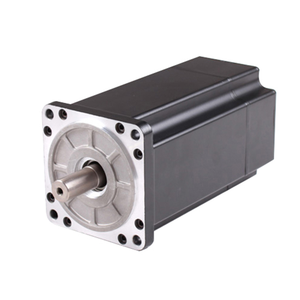
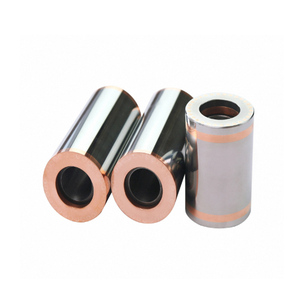
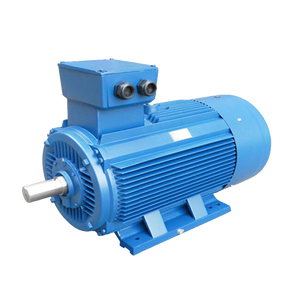
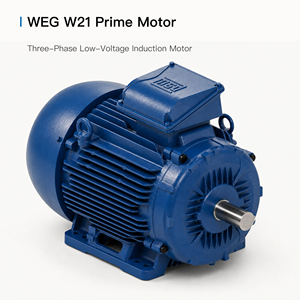
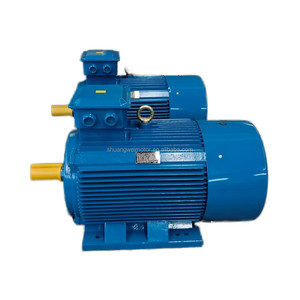
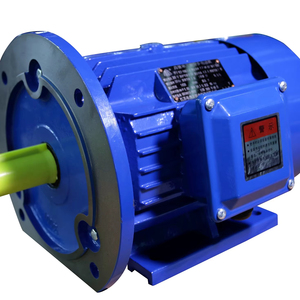
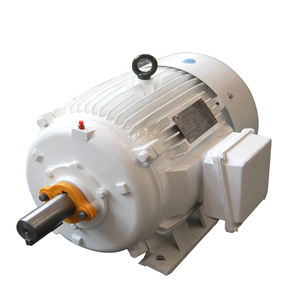
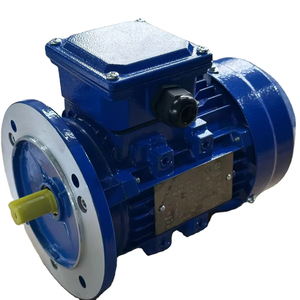
Navigating Rising Electricity Tariffs (K-Electric, LESCO, FESCO) and Industrial Energy Policy Standards
As Pakistan’s industrial landscape undergoes an unprecedented structural shift due to soaring power tariffs, industrial manufacturers in major hubs—such as Karachi, Faisalabad, Lahore, Sialkot, and Gujranwala—are facing massive pressure on operating margins. Grid tariffs issued by DISCOs (Distribution Companies) and K-Electric, alongside fuel adjustments, have elevated electricity to over 40% of total plant overhead in energy-intensive sectors like textiles, paper, steel, and agricultural processing.
In this economic climate, electric motors represent both the primary energy consumer and the most actionable opportunity for immediate operational cost reduction. Electric motors consume roughly 65% to 70% of total electrical energy utilized across Pakistani industrial plants. A vast majority of operating units in the region still rely on legacy IE1 efficiency standard units, local rewound motors, or low-grade imports that exhibit severe heat dissipation losses and poor power factors.
Transitioning from an IE1 or rewound motor to a China-manufactured IE4 Super-Premium Efficiency motor yields an average energy consumption reduction of 8% to 15%. For a 75kW motor running 24/7 in a Faisalabad textile spinning mill, this shift translates to millions of PKR saved annually in direct electricity bills, paying off the initial capital outlay within 8 to 14 months.
The International Electrotechnical Commission (IEC) standard 60034-30-1 defines international efficiency (IE) classes for single-speed, three-phase, cage-induction motors. The table below illustrates the standard efficiency benchmark comparisons and their operational impact in Pakistan's environmental conditions:
| Efficiency Class | IEC Standard Designation | Average Nominal Efficiency (15kW / 4-Pole) | Thermal Loss & Energy Waste | Payback Period in Pakistan Market |
|---|---|---|---|---|
| IE1 | Standard Efficiency | 88.5% | High (Excessive rotor/stator I²R heat losses) | Baseline (High Lifetime Operating Cost) |
| IE2 | High Efficiency | 90.6% | Moderate | 18 - 24 Months |
| IE3 | Premium Efficiency | 92.1% | Low | 12 - 16 Months |
| IE4 | Super Premium Efficiency | 93.9% | Ultra-Low (Cold-rolled lamination optimization) | 8 - 12 Months (Optimal ROI) |
| IE5 | Ultra Premium Efficiency | 95.2%+ | Negligible (PM Synchronous / SynRM) | 14 - 20 Months (Requires VFD Drive) |
How Chinese IE4 Motors Resolve Harsh Environmental and Grid Challenges in Local Industrial Zones
Textile spinning frames, ring frames, and dyeing machinery require 24/7 continuous motion under high ambient temperatures and heavy lint/dust loads. China-manufactured IE4 motors with IP55/IP66 enclosure protection and Class H insulation prevent thermal tripping during peak Pakistani summer months (45°C–50°C), while maintaining high power factor ratings to avoid utility penalty surcharges.
Rural agricultural grids often suffer from severe voltage unbalance and line drop (falling down to 340V instead of 400V). Our low-voltage ride-through optimized IE4 copper-rotor motors feature wide voltage tolerance bands (380V ± 10%) and reinforced slot insulation, preventing coil burnout in remote farm irrigation pumps.
For large-scale crushers, cement kilns, and chemical slurry pumps requiring high torque output, China top factories supply heavy frame cast-iron IE4 motors (Frame sizes 280 to 450). Equipped with vacuum pressure impregnated (VPI) windings, these units resist abrasive cement dust and heavy mechanical vibration.
Why Pakistan Procurement Directors Are Choosing China Premium Exporters Over European & Local Alternatives
The National Energy Efficiency & Conservation Authority (NEECA) of Pakistan has introduced stringent frameworks to curb industrial transmission losses and eliminate inefficient electric appliances. Recent regulatory pushes advocate for the gradual prohibition of non-standardized low-efficiency motors in favor of certified minimum energy performance standards (MEPS).
Historically, Pakistani plant managers faced a trade-off: either purchase expensive European-brand motors with high landed import tariffs and long lead times, or rely on locally repaired low-efficiency motors. Today, leading Chinese electric motor exporters have bridged this gap by offering European-grade engineering at competitive pricing, robust bilateral trade logistics, and rapid production turns.
Why Our Manufacturing Infrastructure Ensures Zero-Defect Delivery for International Exporters
Our featured manufacturing partners utilize advanced automated production lines designed to meet global OEM specifications. From initial lamination punching to automated coil winding and full load testing, every IE4 electric motor undergoes strict quality controls before shipment.
We strictly utilize high-grade 99.99% pure oxygen-free copper wire, guaranteeing low stator resistance, reduced thermal rise, and optimal energy conversion under full loading conditions.
Stator and rotor laminations are stamped from ultra-thin, low-loss cold-rolled magnetic silicon steel sheets (0.35mm thickness), drastically reducing hysteresis and eddy current losses.
Rotors are dynamically balanced to ISO 1940 Grade G2.5 standards to ensure ultra-quiet, low-vibration performance, extending bearing fatigue life up to 100,000 continuous operating hours.
Addressing Technical Specifications, Shipping Logistics, Custom Duties, and ROI Expectations
Speak directly with our senior application engineering team for customized motor selections, energy audit calculations, and competitive FOB/CFR Karachi pricing for your next project.
