
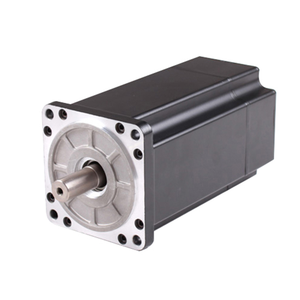
High Speed 3 Phase 48V/310V Brushless DC Motor (NEMA 42)
- Power Output: 1kW / 1.5kW / 2kW / 3kW
- Rated Speed: 3000 RPM | Frame: 110mm NEMA 42
- Target Use: Offshore Subsea Robotics & Winches
Explore our technical line of high-efficiency, explosion-proof, and severe-duty asynchronous & brushless electric motors engineered for offshore platforms, vessels, and harsh maritime environments.
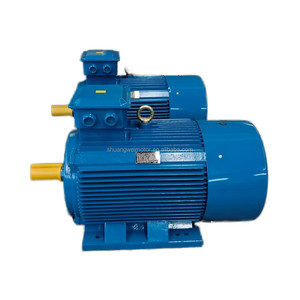
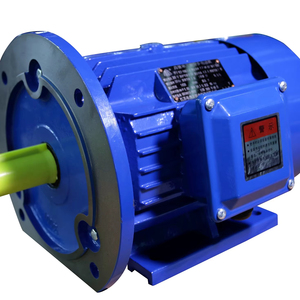
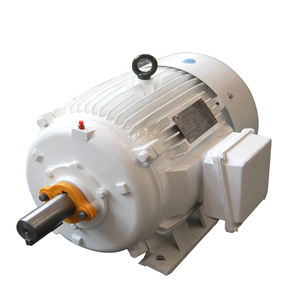
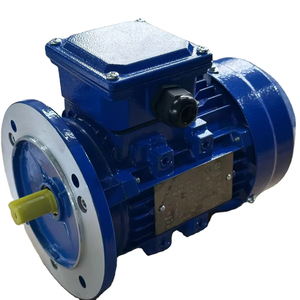
A Comprehensive Engineering Guide to Selecting, Specifying, and Operationalizing High-Efficiency Electric Motors for Offshore Platforms, Marine Vessels, and Subsea Equipment.
Operating electric machinery in marine and offshore environments presents some of the most unforgiving mechanical, electrical, and environmental challenges in power engineering. Offshore duty motors operating on Floating Production Storage and Offloading (FPSO) units, offshore wind installation vessels, jack-up rigs, and commercial container ships are exposed to continuous saline atmospheric saturation, aggressive thermal cycling, heavy mechanical shock loads, and stringent explosive atmosphere standards (ATEX / IECEx). Selecting an OEM manufacturer or factory partner requires rigorous evaluation of winding insulation protocols, anti-corrosion barrier coatings, duty cycle ratings (IEC S1 to S9), and class certification compliances such as DNV, ABS, Lloyd's Register (LR), and Bureau Veritas (BV).
Standard industrial electric motors suffer rapid catastrophic failure when deployed in maritime environments due to galvanic pitting, salt-crust accumulation on cooling fins, and moisture ingress through standard shaft seals. Modern offshore duty motor manufacturing demands multi-layer protective engineering:
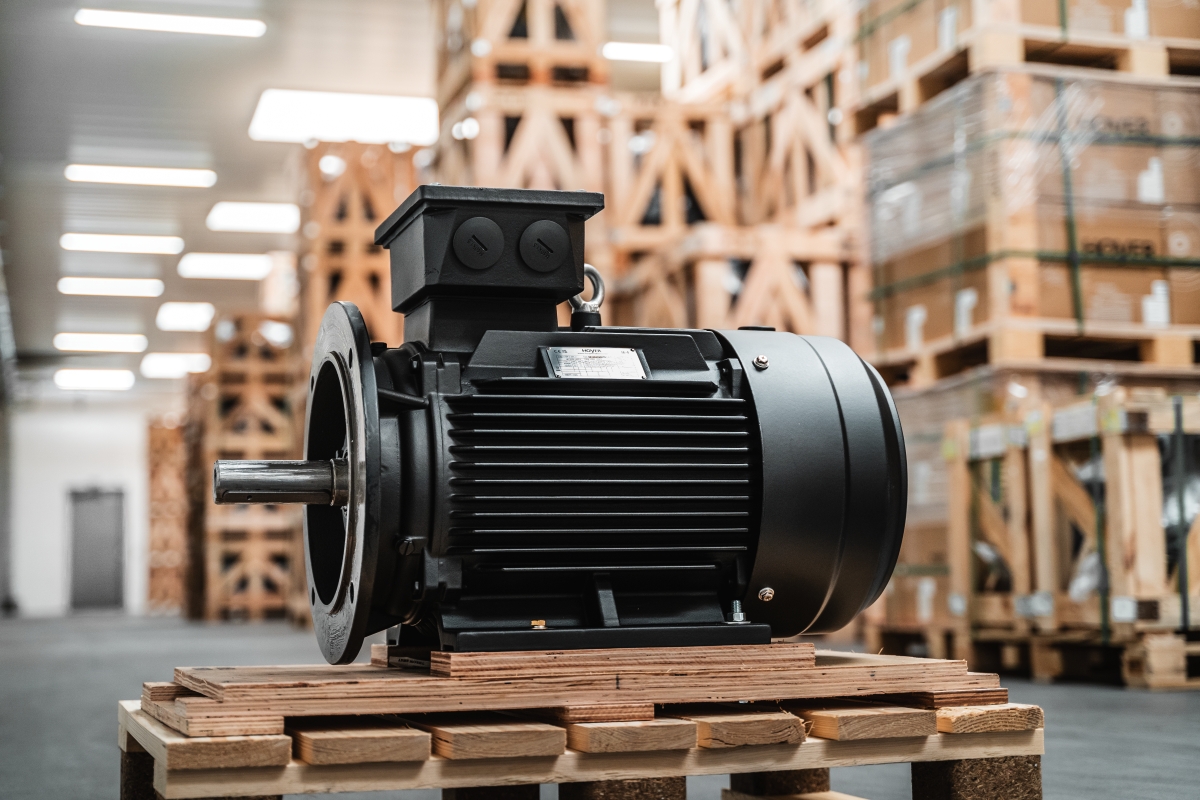
Offshore applications rarely experience static load profiles. A ballast pump requires continuous S1 duty at maximum load for continuous hours, whereas deck cranes, anchor handling winches, and mooring capstans require S3 intermittent or S4/S5 duty cycles characterized by frequent high-torque starting spikes, acceleration braking, and severe thermal transients. Motor winders must engineer Class H resin insulation systems with Class B temperature rise margins (80K limit) to provide an operational safety buffer against line-voltage variations common on shipboard microgrids.
Decades of deep application engineering experience allow us to customize motor electric designs for severe offshore duty, marine propulsion, and heavy deck equipment.
Our centralized buffer warehousing maintains over 70,000 electric motors and components in stock, eliminating lead times for emergency marine MRO dry-docking repairs.
Every offshore motor design can be supplied with type-approval certificates or individual unit witnessing by DNV, ABS, Lloyd's Register, ClassNK, and Bureau Veritas.
Built with inverter-duty magnet wire (NEMA MG1 Part 31 compliant) and insulated bearings to eliminate destructive shaft circulating currents (EDM micro-pitting).
Integrated lifecycle support backed by rapid field service teams, fast modification options (custom shafts, special flanges, space heaters), and dedicated project logistics.
From initial design specification to post-commissioning maintenance, our engineering team manages the complete lifecycle with dedicated technical project managers.
Key Technology Drivers Reshaping Global Offshore Duty Motor Procurement for Maritime Equipment Buyers and Shipyards.
With global maritime regulatory bodies (IMO Net-Zero 2050 framework and the EU Energy Efficiency Directive) tightening carbon footprint constraints, offshore vessel operators are mandating IE4 Super-Premium efficiency motors across all continuous-duty pumps, compressors, and ventilation systems. Transitioning a 250kW continuous-duty marine pump from IE2 to IE4 yields annual energy savings exceeding 38,000 kWh per vessel, drastically lowering operational expenditure (OPEX) and reducing onboard generator emissions.
Unplanned offshore motor failure can paralyze vessel operations or shut down oil production platforms, causing downtime losses exceeding $100,000 per day. Modern procurement specifications now routinely require integrated smart sensor nodes. These wireless sensor arrays continuously track multi-axis vibration signatures, stator coil surface temperature, and magnetic flux anomalies, streaming diagnostic data to cloud analytics platforms via satellite. Maintenance engineering teams receive automated predictive alerts weeks before bearing spalling or winding insulation breakdown occurs.
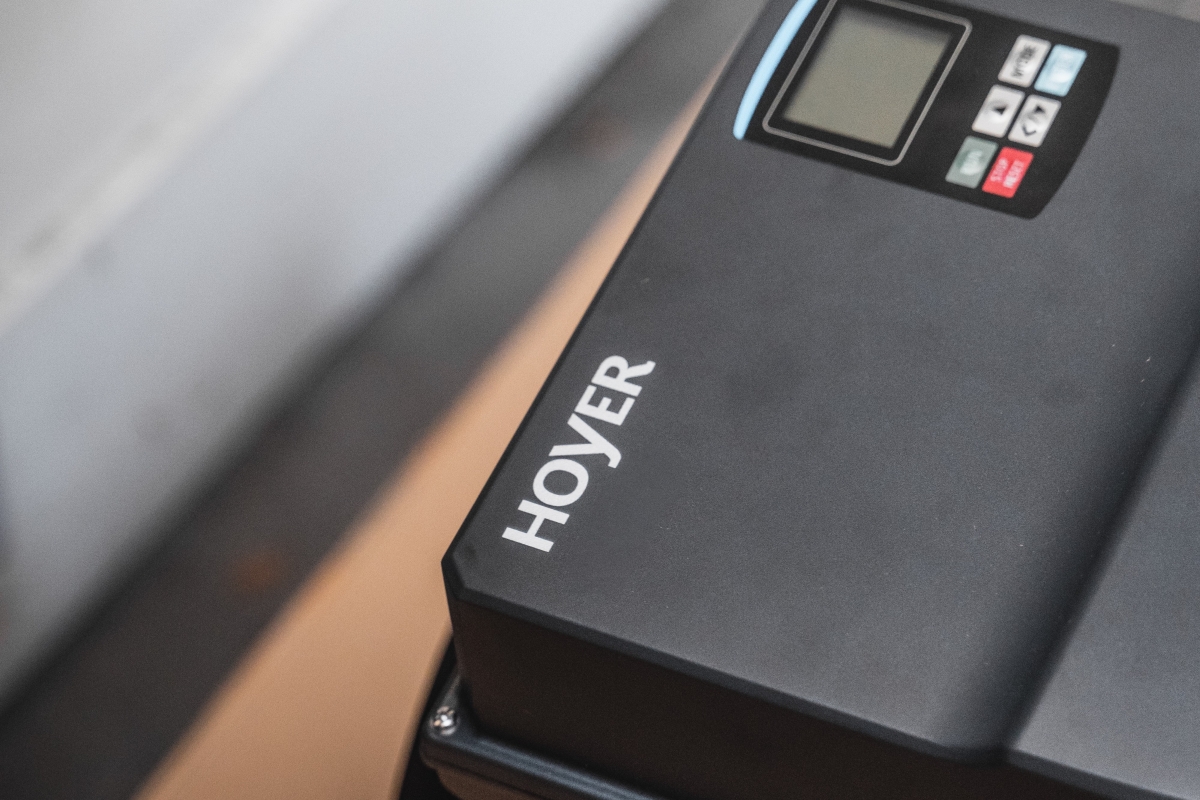
Traditional hydraulic deck machinery is being rapidly replaced by high-torque electric motor direct-drive systems controlled by Variable Frequency Drives (VFDs). Electric winch drive systems eliminate hydraulic oil leak risks into sensitive marine ecosystems, deliver superior dynamic responsiveness during heave-compensation maneuvering, and enable regenerative braking energy back to onboard battery energy storage systems (BESS).
As offshore exploration expands into ultra-deepwater regions and hydrogen/ammonia green fuel transportation grows, motor manufacturers must comply with extreme hazardous area certifications. Explosive atmosphere motors now utilize flameproof Ex db cast housings capable of containing internal explosions without igniting ambient volatile gas mixtures (Hydrogen, Acetylene, Ethylene), combined with subsea depth ratings down to 3,000 meters for ROV hydraulics and seabed pumps.
Review standard engineering configurations and protection grades required for marine and offshore installations:
| Specification Parameter | Standard Industrial Motor | Offshore Severe Duty Motor | Explosion-Proof Offshore Motor |
|---|---|---|---|
| Enclosure Protection | IP54 / IP55 | IP66 / IP67 / IP69K | IP66 Dual Seal (Ex db) |
| Anti-Corrosion Coating | ISO 12944 C2 / C3 Epoxy | ISO 12944 C5-M / CX Multi-coat | C5-M Heavy Marine Epoxy-Polyurethane |
| Insulation Class | Class F (155°C) | Class H VPI (180°C) with Class B Rise | Class H Vacuum Impregnated |
| Bearing Configuration | Standard Deep Groove Ball | Regreasable Open / Insulated Ceramic | Reinforced Roller + Earth Ring |
| Fasteners & Hardware | Zinc-Plated Carbon Steel | AISI 316 Stainless Steel | AISI 316L Marine Stainless Steel |
| VFD Suitability | Optional Inverter Wire | NEMA MG1 Part 31 Compliant | Certified VFD Inverter Duty (Ex) |
| Class Approvals | CE / UL Standard | DNV, ABS, LR, BV, CCS, RINA | ATEX, IECEx, DNV, ABS Hazardous |
As part of the Hoyer VMS Group, we deliver complete operational certainty for marine superintendents, procurement directors, and offshore OEM engineers. We do not simply ship electric motors; we partner with your technical teams to engineer bespoke power setups, optimize total cost of ownership (TCO), and provide lifecycle MRO coverage.
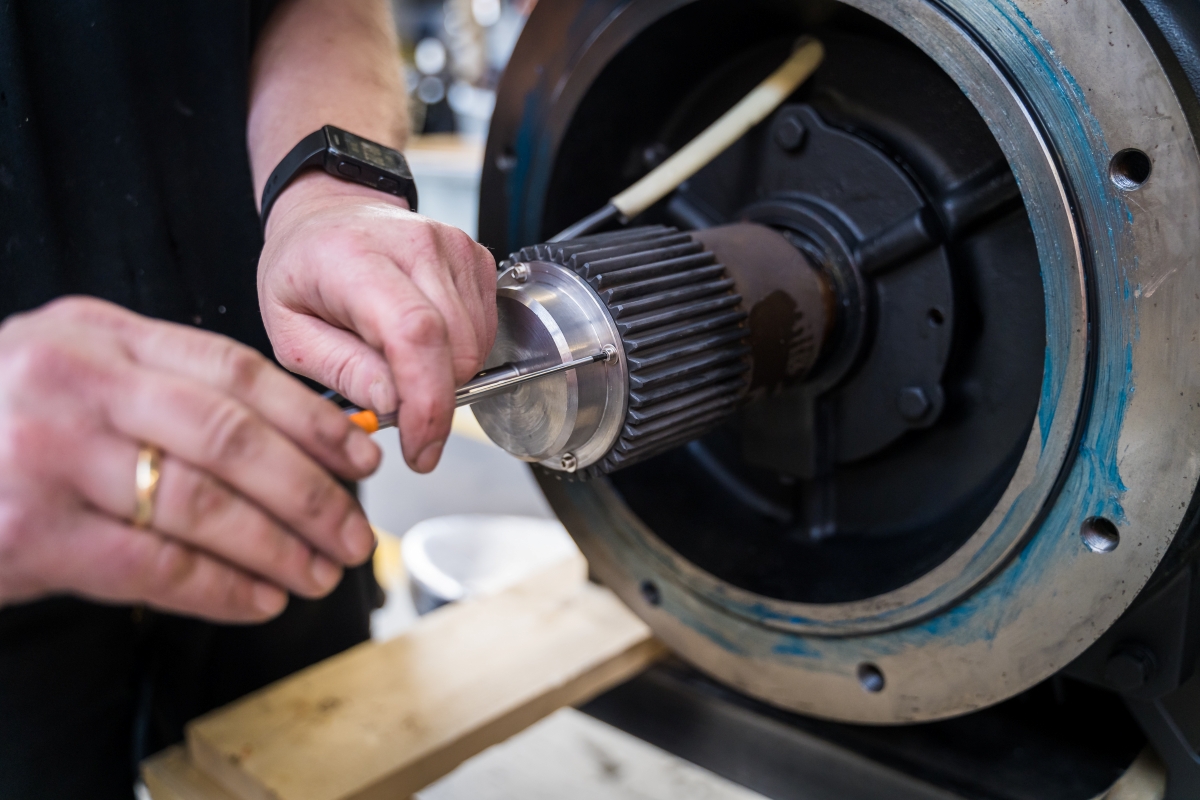
Our fast-track modification workshops allow custom shaft machining, specialized anti-friction bearing installations, space heater fitting, and tropicalized insulation dipping with turnaround times counted in days rather than months.
Answers to common engineering and procurement queries regarding offshore motor selection, certification, and maintenance.
ISO 12944 C5-M specifies paint systems specifically engineered for coastal and offshore regions with high salinity and extreme humidity. Unlike standard C2 or C3 industrial coatings, C5-M involves a multi-coat system (zinc-rich primer, epoxy intermediate layer, and UV-resistant polyurethane topcoat) exceeding 320 microns total dry film thickness (DFT). It undergoes rigorous testing, including over 1,500 hours of salt spray chamber exposure without blister formation or paint adhesion failure.
VFDs utilize High-Frequency Pulse Width Modulation (PWM) to regulate motor speed, which creates Common Mode Voltage across the stator windings. This voltage induces shaft voltages that seek a path to ground through the motor bearings. Without insulated bearings (ceramic hybrid bearings or insulated bearing housing sleeves), high-frequency electrical discharge machining (EDM) sparks arc through the lubricant film, causing bearing fluting, micro-pitting, and premature mechanical bearing collapse.
Motors installed on essential shipboard auxiliary systems (ballast pumps, steering gear, fire pumps, anchor winches) must comply with major IACS member rules (DNV, ABS, Lloyd's Register, Bureau Veritas). Depending on motor kilowatt rating (typically >100kW), societies require individual unit witnessing, routine testing (winding resistance, high-voltage breakdown, no-load loss), type-approval certificates, and material traceability for shafting and cast iron frames.
S1 duty designates continuous operation under rated load where the motor reaches thermal equilibrium. In contrast, S3 (intermittent periodic duty) and S4 (intermittent with starting) are characterized by recurring cycles of loaded operation and rest. Motors designed for S3/S4 deck winches require higher breakdown torque ratios, reduced rotor inertia (GD²), and specialized thermal monitoring because starting current spikes (6-8x nominal current) create thermal stress before cooling fans reach optimal airflow.
While an industrial motor can be upgraded with C5-M marine paint and stainless steel hardware, true offshore hazardous zone installation requires factory-certified explosion-proof design (ATEX / IECEx Ex db or Ex eb). Retrofitting standard enclosures cannot certify them against internal explosion pressure containment or surface temperature limits (T4/T3). It is recommended to specify factory-manufactured explosion-proof severe duty motors directly.
Maritime dry-docking operates on rigid schedules where days of delay translate to thousands of dollars in charter penalties. Holding a centralized global inventory of standard IEC frame motors (sizes 80 to 450) and pre-certified marine motors allows immediate dispatch within 24 to 48 hours. In-house modification centers can rapidly re-configure foot/flange mounts, install space heaters, or add tropicalized winding dips without waiting months for factory production runs.