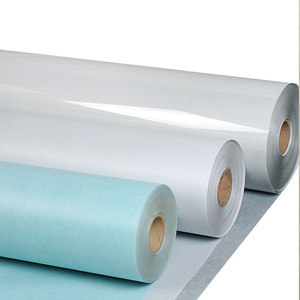
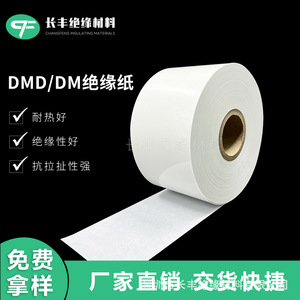
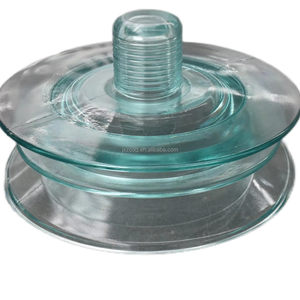
Explore our certified range of flexible composites, high-voltage disc strain insulators, magnet wire systems, and silicone thermal sleeving designed for severe industrial and marine duty rewinding.
Backed by 50+ years of domain leadership, Hoyer/Balaban VMS Group offers fit-for-purpose insulation material manufacturing, stringent quality assurance, and complete lifecycle supply chain accountability.
Our material engineers have over 50 years of cumulative field experience specifying slot liners, inter-phase insulation, phase separators, and VPI resins for high-voltage industrial and marine electric motors operating under aggressive harmonic and moisture conditions.
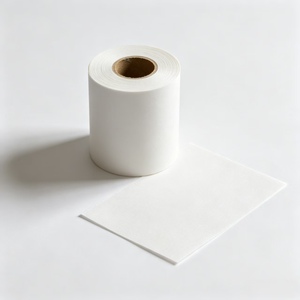
We work directly alongside OEMs, rewind shops, and high-voltage apparatus repair facilities to custom-slit flexible laminates (DMD, NMN, NHN), adjust resin absorption rates, and tailor dielectric breakdown voltages to exact slot filling factors.
With 70,000+ items continuously maintained across global warehouse hubs in Europe and Asia-Pacific, we eliminate critical rewind downtime by providing emergency dispatch of insulation tubes, glass disc strain strings, and composite paper rolls 24/7/365.
An authoritative guide to electrical thermal endurance, partial discharge suppression, dielectric breakdown dynamics, and material compatibility in modern rewinding practice.
In modern industrial rotating apparatus—ranging from low-voltage squirrel-cage induction motors (IE2, IE3, IE4) to medium/high-voltage marine propulsion equipment—the Electrical Insulation System (EIS) represents the most vulnerable sub-component subject to multi-stress degradation. According to empirical reliability figures published by IEEE and EPRI, over 37% of electric motor operational failures originate directly within stator winding insulation breakdown, turn-to-turn short circuits, or ground-wall degradation.
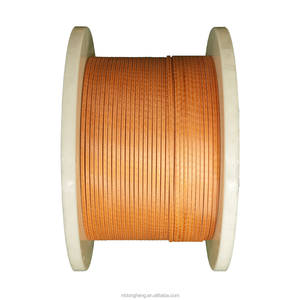
Motor rewinding is not merely a process of replicating copper turns; it is an engineering overhaul that requires careful selection of primary and secondary insulation materials. Selecting high-performance flexible composite papers, such as 6641 Class F DMD, Class H NMN (Nomex-Polyester-Nomex), or Class H NHN, combined with high-dielectric glass-fiber sleeving and surge-resistant wrapped conductors, ensures that re-manufactured stators meet or exceed original equipment manufacturer (OEM) specifications.
Thermal degradation follows Arrhenius' Law: for every 10°C rise in operating temperature above the maximum thermal limit of an insulation class, the thermal lifespan of the insulation system is halved. Therefore, modern rewinding standards heavily advocate upgrading legacy Class B (130°C) installations to Class F (155°C) or Class H (180°C) thermal systems.
| Thermal Class | Max Hot-Spot Temp (°C) | Primary Composite Materials | Dielectric Strength (kV/mm) | Recommended Industrial Applications |
|---|---|---|---|---|
| Class B (130°C) | 130°C | Polyester Film, Standard DMD 6630 | ≥ 10 - 12 kV/mm | Legacy fractional HP motors, low-duty dry transformers. |
| Class F (155°C) | 155°C | F-DMD 6641, Duravolta Film, Fiber Glass Coated Wires | ≥ 15 - 18 kV/mm | Standard IE2/IE3 industrial motors, pump drives, gearmotors. |
| Class H (180°C) | 180°C | NMN (Nomex-Film-Nomex), Silicone Fiberglass Sleeving | ≥ 20 - 25 kV/mm | Mining equipment, traction motors, heavy industrial cranes. |
| Class C (>200°C) | 220°C+ | NHN (Nomex-Kapton-Nomex), Pure Mica Tape, Polyimide Film | ≥ 30 kV/mm | Extreme aerospace, marine propulsion, high-voltage offshore generators. |
A complete motor rewinding insulation overhaul involves five distinct layers of insulation defense, each engineered to withstand specific stress vectors:
With the widespread deployment of Silicon Carbide (SiC) and Insulated Gate Bipolar Transistor (IGBT) Variable Frequency Drives (VFDs), motor windings are subjected to rapid voltage rise times (high dv/dt). This creates localized electrical stress concentrations, leading to Partial Discharge (PD) and micro-arcing inside air gaps between phase coils.
To neutralize VFD-induced partial discharge, advanced rewinders utilize specialty films such as DURAVOLTA Film combined with VPI (Vacuum Pressure Impregnation) resins. These materials eliminate microscopic air voids, homogenize internal electric fields, and boost corona resistance by up to 300% compared to standard untreated polyester films.
Key technical advancements and strategic sourcing shifts shaping the global motor rewinding and transformer manufacturing sectors over the next decade.
Next-generation flexible laminates are incorporating nano-alumina and silica particles directly into non-woven polyester and polyimide matrix layers. This increases bulk thermal conductivity (W/m·K) by 40-60%, allowing heat to dissipate rapidly from core copper to the outer frame, enabling higher power density in compact IE4/IE5 motors.
Regulatory frameworks such as EU RoHS 3, REACH, and global decarbonization initiatives are driving procurement teams toward halogen-free, non-toxic insulation papers and silicone sleeves. Sourcing managers are prioritizing materials with zero hazardous volatile organic compound (VOC) off-gassing during VPI bake cycles.
To reduce workshop labor costs and reduce lead times during emergency industrial repair, rewind service centers are transitioning from buying master roll stock to purchasing factory-slit, pre-formed slot liners and custom-thickness fiberglass wrapped magnet wires customized to precise slot dimensions.
Expert answers to common technical queries regarding insulation paper selection, thermal index matching, and supply chain logistics.
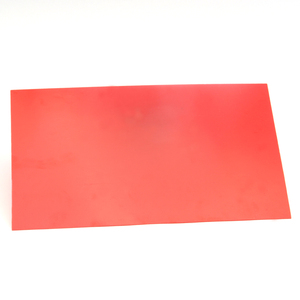
DMD (Dacron-Mylar-Dacron) is a 3-layer flexible composite made of polyester non-woven fabric laminated to polyester film. Class F DMD 6641 uses high-grade saturated resin offering superior thermal endurance (155°C) and higher mechanical tear strength compared to basic 6630. Class H NMN uses Nomex (Aramid paper) instead of Dacron polyester, extending thermal resistance to 180°C with significantly higher resistance to moisture, chemicals, and VPI solvent aggression.
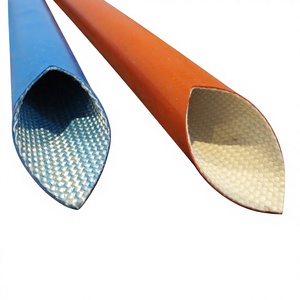
Silicone-coated fiberglass sleeving provides high dielectric isolation (typically 2.5 kV to 7.0 kV) combined with exceptional thermal stability (-50°C to +200°C). It shields coil leads and solder joint connections from mechanical vibration, prevents shorting during thermal expansion of end-turns, and maintains elasticity after exposure to hot varnish curing cycles.
Yes, custom-thickness glass fiber-wrapped rectangular or round copper/aluminum conductors are specifically specified for heavy-duty traction motors, high-voltage transformers, and mill motors. Fiber glass wrapping provides superior mechanical shock absorption, higher burnout resistance under severe overloads, and enhanced bonding with VPI resin systems.
All our insulation products—including DURAVOLTA films, F-DMD composite papers, high-voltage glass disc strain insulators, and silicone sleeves—are delivered with full factory test reports (MTR), UL Certificate of Compliance (UL 1446), IEC 60626 compliance documentation, and REACH/RoHS compliance verification.