
BLDC Motor
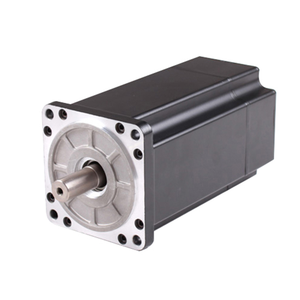
High Speed 3 Phase 48v 310v 3000rpm 1kw-3kw Nema 42 Brushless DC Motor
3000 RPM
48V / 310V
Robotics / AGV
Rigorously tested IE3, IE4, IE5, Brushless DC, and Heavy-Duty Induction Motors engineered in top-tier Chinese manufacturing facilities.
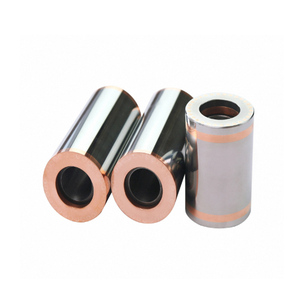
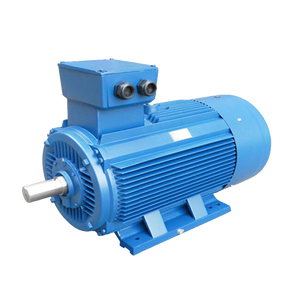
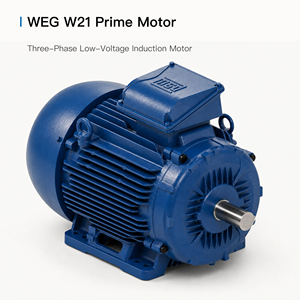
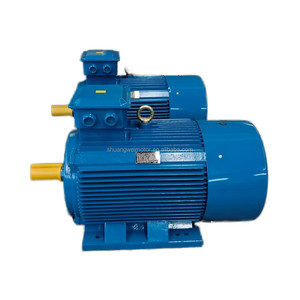
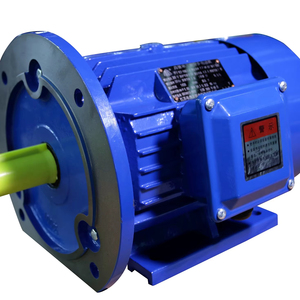
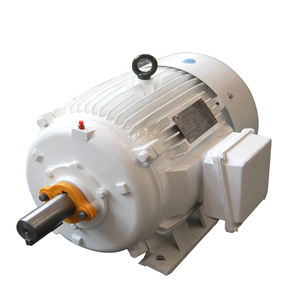
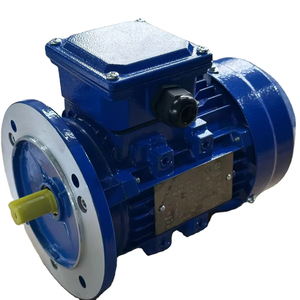
Combining high-capacity metallurgical supply chains with rigorous European and ISO quality engineering standards to redefine global motor procurement reliability.
Backed by over 50 years of collective industry lineage, Chinese premium efficiency factories custom-engineer electric motor winding configurations, rotor dynamics, and housing designs specifically optimized for severe industrial and high-salinity marine environments.
Rather than forcing off-the-shelf specs, factories work directly with equipment manufacturers to adjust shaft tolerances, custom flange mounts (B3/B5/B14/B35), high-temperature Class H insulation, and IP66 marine sealing packages.
To combat global supply disruption, premier Chinese manufacturing hubs work with integrated forwarders to maintain ready stocks exceeding 70,000 baseline units, enabling emergency order dispatch within 48 hours for critical MRO needs.
Integrated test beds conduct 100% full-load thermal rise tests, dynamic balance assessments (ISO 21940 Grade G1.0), and dielectric breakdown testing. Complete lifecycle support spans initial sourcing to field retrofits and rewinding.
With strategic sales and service hubs operating across APAC, Europe, and the Americas, emergency technical consultations, vibration spectrum troubleshooting, and spare parts supply lines operate on a non-stop continuous cycle.
Factories maintain direct certification pathways with leading classification societies including DNV, ABS, Lloyd’s Register (LR), Bureau Veritas (BV), and CCS, guaranteeing seamless marine and offshore platform deployment.
The global transition toward industrial decarbonization has transformed electric motor manufacturing from a low-margin hardware sector into an advanced material science domain. Industrial electric motors consume approximately 70% of all electrical energy utilized across manufacturing, water infrastructure, mining, and maritime applications. Consequently, selecting true high-efficiency motor technology from qualified Chinese manufacturing plants offers massive operational cost savings and reductions in carbon emissions.
Information Gain Key Takeaway: Transitioning a continuously operating 110kW industrial pump motor from an older IE2 efficiency standard to an IE4 Super Premium Efficiency motor typically saves over 28,000 kWh annually per motor, delivering complete capital expenditure (CAPEX) payback in less than 14 operating months.
Achieving IE3 (High Efficiency), IE4 (Super Premium Efficiency), and IE5 (Ultra-Premium Efficiency) ratings requires fundamental design enhancements within the motor's core active electromagnetic materials:
The following technical comparison matrix outlines the parameters governing industrial three-phase induction electric motors according to IEC 60034-30-1 and NEMA MG1 standards:
| Efficiency Class | IEC Standard Equivalent | NEMA Equivalent | Efficiency @ 45kW (4-Pole) | Core Metallurgy & Technology | Primary Applications |
|---|---|---|---|---|---|
| IE2 High Efficiency | IEC 60034-30-1 IE2 | NEMA Energy Efficient | 93.1% | Standard Silicon Steel, Die-Cast Al Rotor | Intermittent duty, standard pumps |
| IE3 Premium Efficiency | IEC 60034-30-1 IE3 | NEMA Premium Efficiency | 94.2% | Low-loss 0.35mm Steel, High Copper Ratio | General industry, HVAC, Fans, Conveyors |
| IE4 Super Premium | IEC 60034-30-1 IE4 | NEMA Super Premium | 95.2% +1.1% Gain | 0.27mm Steel, Copper Rotor / PMSM | 24/7 Process plants, Heavy blowers, Marine |
| IE5 Ultra-Premium | IEC 60034-30-1 IE5 | Above NEMA Premium | 96.0%+ Peak Tech | Permanent Magnet (PMSM) / SynRM | Variable Speed Drives, Precision Robotics |
The distinction between baseline suppliers and elite Chinese motor factories lies in automated quality governance. Leading production facilities utilize fully automated VPI (Vacuum Pressure Impregnation) systems to ensure 100% resin penetration into stator windings, eliminating internal air voids and extending insulation lifespan beyond 150,000 operating hours.
Furthermore, dynamic rotor balance testing is conducted under strict ISO 21940 specifications. By keeping balance tolerances below G1.0, bearing vibration is minimized to under 1.5 mm/s, dramatically preventing premature fatigue in heavy industrial equipment.
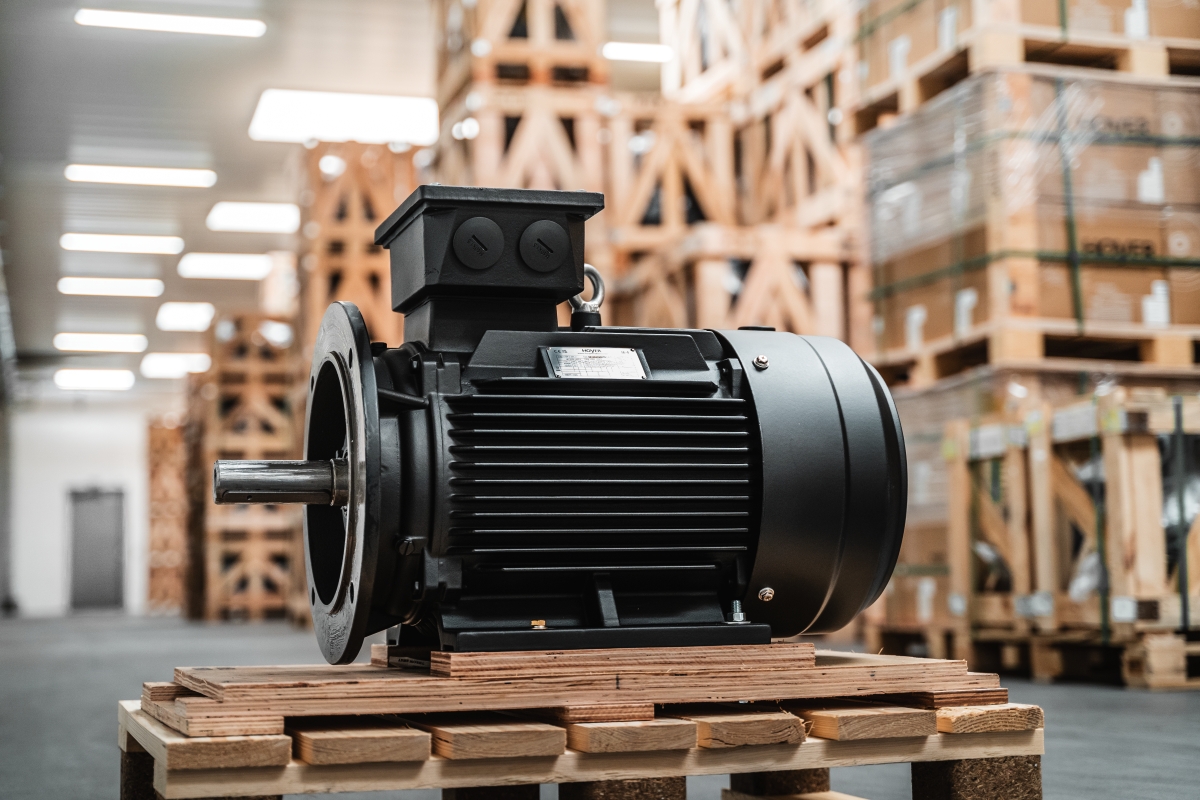
Procurement directors and engineering buyers sourcing electric motors from China face an evolving market landscape driven by geopolitical shifts, stringent national energy mandates, and technological acceleration. Understanding these macro trends is vital for establishing resilient global supply chains.
Industrial buyers are shifting away from evaluating vendor proposals strictly on initial purchase price (CAPEX). Because electricity costs account for over 90% of an industrial motor's Total Cost of Ownership (TCO) across its operational life, enterprise buyers now mandate guaranteed IE4 or IE5 efficiency verification certificates before finalizing multi-year supply contracts.
China's revised national energy efficiency standard (GB 18613-2020) effectively banned the production of IE2 and lower motors within the country. As a result, Chinese manufacturing plants have fully modernized their production lines for IE3 and IE4 output, delivering significant economies of scale and making premium efficiency motors more cost-competitive globally.
Future procurement framework agreements increasingly demand high modularity. Top factories offer pre-engineered conversion options: standard cast iron motors can be rapidly modified with special shafts (stainless steel 316), encoder integration for VFD feedback, forced-cooling auxiliary fans, or tropical anti-condensation heating elements without incurring standard multi-month custom delays.
Global enterprise customers now require full audit trails covering raw material origins—specifically 100% virgin electrolytic copper wire, high-grade SKF/NSK bearings, and certified non-conflict permanent magnet alloys (Neodymium-Iron-Boron, NdFeB). Factories offering digital material passport verification are rapidly gaining market share.
The industrial electric motor industry is undergoing a technological renaissance. Driven by artificial intelligence, smart industrial automation, and power electronics, top manufacturers in China are pioneering critical innovations:
While traditional AC induction motors remain industrial mainstays, permanent magnet synchronous motors (PMSM) and magnet-free Synchronous Reluctance Motors (SynRM) are gaining rapid adoption. SynRM motors eliminate rotor electrical losses completely without relying on expensive rare-earth magnets, achieving IE5 efficiency even under partial load conditions.
Modern premium efficiency motors are evolving into connected smart assets. Top Chinese factories are embedding wireless vibration sensors, surface temperature thermocouples, and acoustic analysis nodes directly into the motor housing. Connected to cloud-based predictive analytics, these systems detect early bearing wear, rotor misalignment, or phase imbalance prior to catastrophic failure.
As modern plants adopt Silicon Carbide (SiC) and Gallium Nitride (GaN) Variable Frequency Drives (VFDs) operating at high switching frequencies, motor windings experience extreme voltage spikes ($dV/dt$) and partial discharge stress. China’s advanced motor factories utilize Class H and Class R phase insulation reinforced with corona-resistant enamel coatings to prevent insulation breakdown under VFD duty.
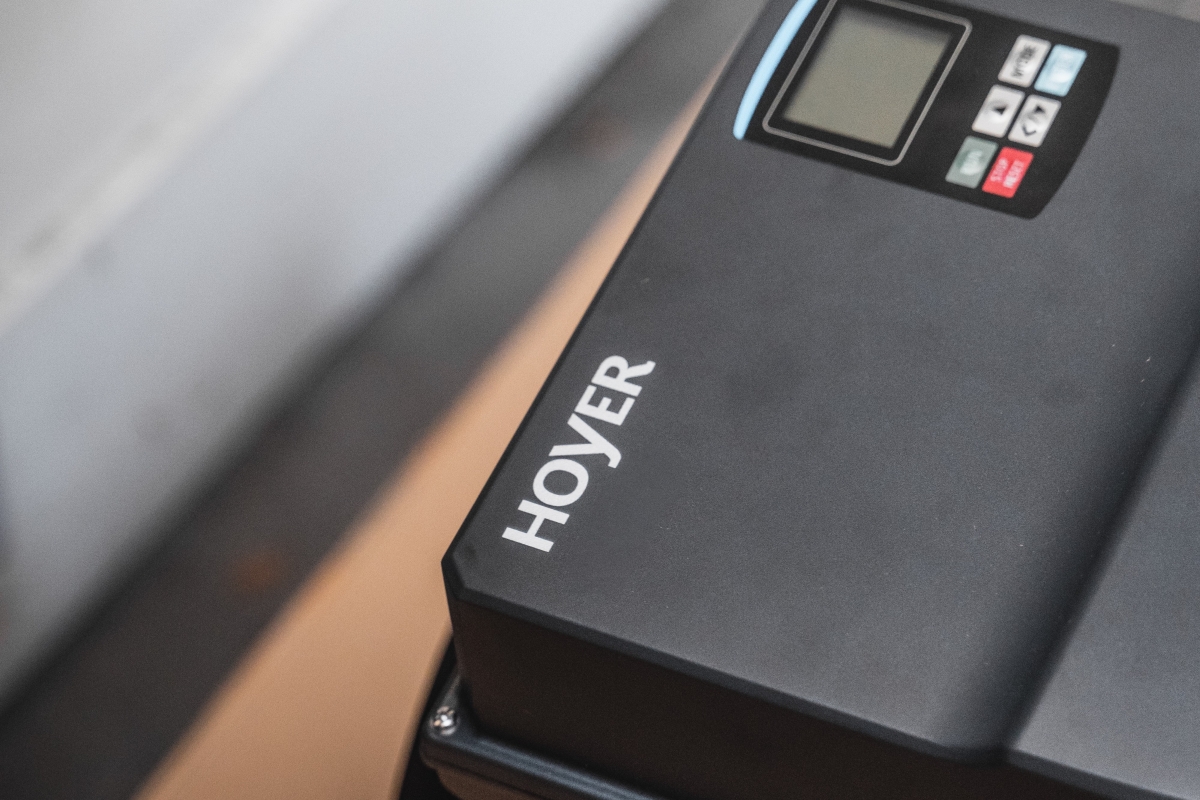
Factory floors are shifting to fully automated robotic assembly lines for stator winding, lamination stacking, and automated robot painting. This automation delivers structural consistency, eliminates human error in coil tensioning, and ensures strict dynamic balance across thousands of identical production units.
Furthermore, eco-design protocols prioritize 98% recyclable motor construction, low-VOC waterborne protective coatings, and energy-neutral manufacturing facilities powered by localized solar photovoltaic arrays.
Direct technical answers addressing key sourcing concerns, testing protocols, customization capabilities, and global standard compliance.
IE4 Super Premium Efficiency motors reduce energy losses by approximately 15% to 20% compared to IE3 Premium Efficiency models. In continuous high-power applications (e.g., 24/7 pumps or fans), upgrading to IE4 substantially decreases long-term utility operating expenses, offsetting the higher initial purchase price within 12 to 18 months of continuous operation.
Top Chinese export manufacturers build motors on dedicated NEMA frame dimensions (e.g., NEMA 140T through 449T) conforming to NEMA MG1 requirements. These units feature 60Hz frequency ratings, dual voltage configurations (230/460V or 575V), service factors (typically 1.15), and CSA/UL safety mark certifications required for North American grid connection.
Yes. Premium Chinese motors manufactured for export feature VFD-compatible insulation packages, incorporating Class H copper magnet wire, reinforced inter-phase insulation barriers, and double vacuum pressure impregnation (VPI). For frame sizes IEC 280 and above, insulated non-drive end bearings (or grounding rings) are standard to prevent electrical shaft currents and fluting erosion.
Factories specializing in marine duty motors provide individual or type-approval test certificates from major IACS member societies, including DNV, ABS, Lloyd's Register (LR), Bureau Veritas (BV), RINA, and China Classification Society (CCS). Marine motors feature IP56/IP66 sealing, anti-corrosive epoxy paint systems (C4/C5-M environment), and low-noise rotors.
Standard IEC frame cast iron motors (0.75kW to 315kW) are typically delivered from inventory within 7 to 14 days. Custom engineered OEM configurations—such as special dual-shaft extensions, non-standard voltages/frequencies, high-temperature bearings, or explosion-proof ATEX/IECEx certifications—generally require a 30 to 45 day manufacturing cycle.
Quality assurance includes routine testing on 100% of manufactured units (winding resistance, insulation resistance, no-load current, dielectric withstand test). Type tests (efficiency load curve, thermal rise limit, torque-speed curves) are executed in ISO 17025 accredited laboratories. Third-party inspection agencies such as SGS, TÜV, or Intertek can be engaged to verify inspection reports prior to container loading.
Partner with verified China premium efficiency motor factories. Access technical CAD drawings, full engineering specifications, and competitive factory-direct OEM quotations.