Rigorous marine-grade electric motors engineered for bow/stern thrusters, main propulsion auxiliary units, deck machinery, and heavy duty industrial pumps under continuous S1 sea-duty cycles.
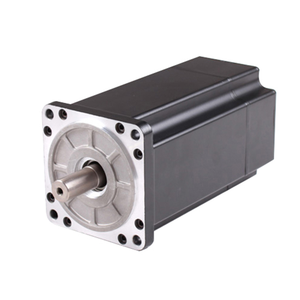
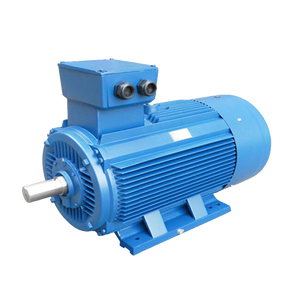
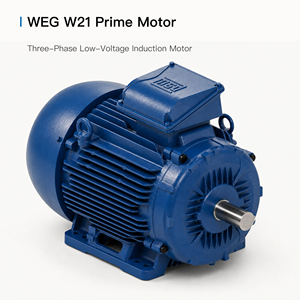
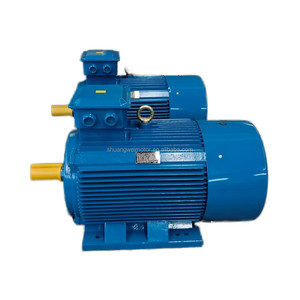
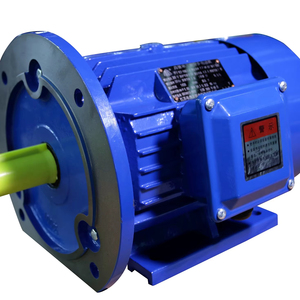
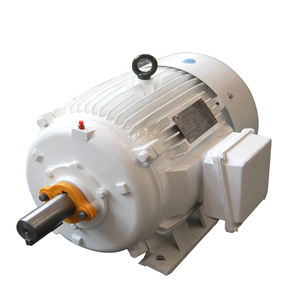
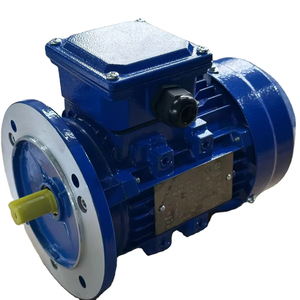
Combining decades of European marine application expertise with China's top-tier high-precision manufacturing infrastructure to deliver reliable, energy-efficient electric drives for mission-critical sea operations.
Engineered for extreme maritime environments. Our thruster motors feature Vacuum Pressure Impregnation (VPI) with Class H insulation, anti-corrosive C4/C5 marine epoxy paint, and IP56 to IP68 water/dust protection ratings compliant with IEC 60034 standards.
Full traceability and certification by major marine classification societies including DNV, ABS, Bureau Veritas (BV), China Classification Society (CCS), Lloyd's Register (LR), and RINA. Guaranteed compliance with IMO EEXI and CII energy efficiency rules.
From initial drive sizing and computational thermal analysis to custom shaft machining, space heater installation, VFD harmonic matching, and worldwide 24/7 aftermarket MRO service — we manage the complete motor operational lifecycle.
The commercial shipbuilding and offshore energy sectors are undergoing an unprecedented technological shift driven by the International Maritime Organization's (IMO) aggressive decarbonization targets, including the Energy Efficiency Existing Ship Index (EEXI) and the operational Carbon Intensity Indicator (CII). As vessel operators strive for zero-emission harbor maneuvering and dynamic positioning (DP2/DP3) compliance, the specification criteria for marine thruster electric motors are rapidly evolving.
Historically, standard IE2 or IE3 induction motors satisfied naval architecture demands. However, modern procurement specifications for azimuth thrusters, bow thrusters, and rim-driven propulsion units now mandate IE4 (Super Premium) and IE5 (Ultra Premium) efficiency ratings. Utilizing high-grade silicon steel laminations and optimized rotor geometries, IE4 and IE5 marine motors reduce internal electrical losses by up to 30%, resulting in substantially lower fuel consumption for diesel-electric propulsion vessels and extending battery endurance on hybrid/electric tugboats and ferries.
While asynchronous induction motors remain the workhorse for high-power continuous applications due to their ruggedness, Permanent Magnet Synchronous Motors (PMSM) are capturing significant market share in compact thruster applications. PMSM technology delivers an exceptionally high power-to-weight ratio and maintains near-peak efficiency across broad speed ranges (down to 10% rated RPM), making them ideal for dynamic positioning systems where thruster speeds fluctuate rapidly under harsh wave states.
| Performance Metric | Standard AC Induction Motor | IE4 Super-Premium Induction | IE5 Permanent Magnet (PMSM) |
|---|---|---|---|
| Full Load Efficiency Range | 89.5% – 93.0% | 94.5% – 96.2% | 96.8% – 98.1% |
| Partial Load Efficiency (50% RPM) | Moderate Drop (~82%) | High (~91%) | Ultra-High (>95%) |
| Power Density (kW/kg) | Baseline (1.0x) | 1.25x Baseline | 2.1x Baseline |
| Thermal Dissipation Requirement | Standard Forced Air (IC411) | Optimized Air / Water Cooled | Water/Jacket Cooled (IC71W) |
| VFD Inverter Compatibility | Standard (Line/Drive) | Dedicated VFD Required | Closed-Loop Inverter Mandatory |
Unplanned thruster failure at sea can lead to catastrophic dynamic positioning loss or drydock downtime costing upwards of $50,000 per day. Leading global marine suppliers in China are embedding IoT smart motor sensors directly into the motor housing. These sensors provide real-time telemetry on bearing vibration frequencies, stator winding temperatures (PT100/RTC), insulation breakdown, and shaft current levels. Procurement teams now require NMEA 2000 and Modbus TCP digital interfaces out-of-the-box to connect motor health directly to shipboard integrated platform management systems (IPMS).
Engineering a motor capable of withstanding the violent torque spikes, thermal cycling, and marine atmospheric corrosion typical of marine thruster duty requires specialized design methodologies:
Insulation & VPI Treatment: Standard industrial insulation degrades rapidly when exposed to salt mist and high humidity. Marine-grade thruster motors undergo dual-cycle Vacuum Pressure Impregnation (VPI) using solventless epoxy resins. Combined with Class H insulation materials (rated for 180°C operating temperature), this process eliminates air voids within stator slots, guaranteeing high dielectric strength and maximum resistance to moisture ingress.
VFD Driven Bearing Protection: Variable Frequency Drives (VFDs) generate high-frequency Common Mode Voltage (CMV), leading to destructive electrical discharge machining (EDM) currents passing through motor bearings. China's top marine motor factories mitigate this risk by integrating insulated non-drive end (NDE) bearings (ceramic coating or hybrid silicon nitride balls) and equipping the drive end with micro-fiber shaft grounding rings to divert stray currents safely away from raceways.
Advanced Cooling Architectures: High-power bow thrusters often operate in enclosed, poorly ventilated ship hull compartments. Modern marine motors utilize IC71W (water-jacket cooling) or IC86W (air-to-water heat exchangers). Closed-loop liquid cooling allows thermal energy to be transferred efficiently to the ship's central fresh water cooling system, drastically reducing the physical footprint of the motor while maintaining continuous heavy-duty ratings.
Expert technical insights answering key commercial, technical, and regulatory questions from marine engineers, procurement directors, and ship repairyards.
Partner with China's premier marine motor manufacturer. Speak directly with our senior application engineering team to customize motor specs, request CAD drawings, or obtain certified class quotation packages.
