Premium OEM-rated electric motors, high-speed brushless drive elements, and heavy-duty shaft seal units engineered for demanding marine and industrial environments.
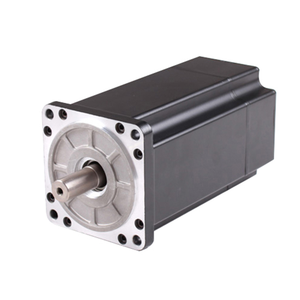
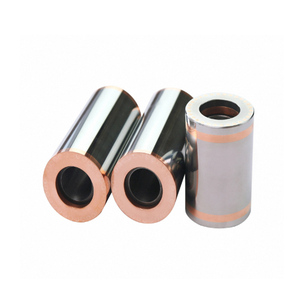
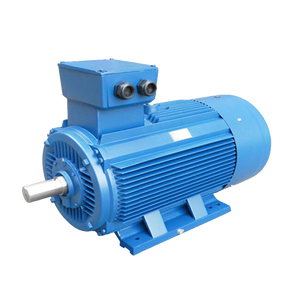
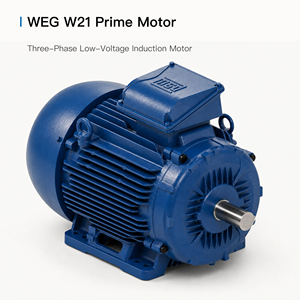
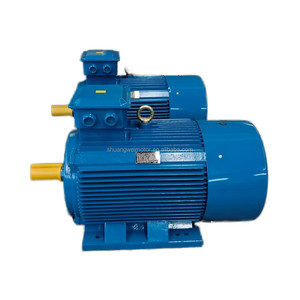
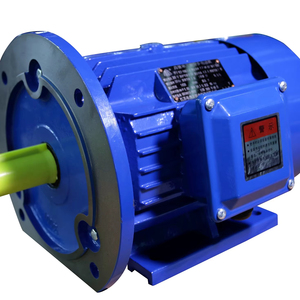
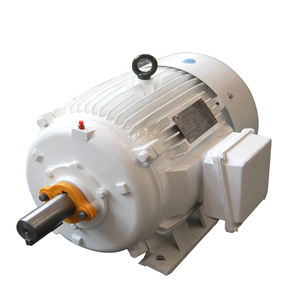
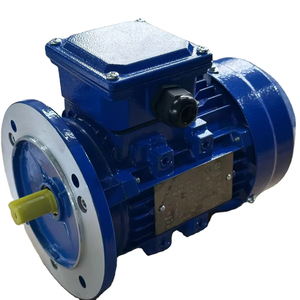
Combining over five decades of mechanical precision, marine classification expertise, and integrated supply chain management for global OEMs and vessel operators.
With 50+ years of domain knowledge, we engineer and customize marine grade shaft seals, stern tube sealing systems, and motor enclosures to survive hyper-saline, high-vibration, and abrasive subsea conditions.
As part of Hoyer VMS Group—a global one-stop shop formed by Hoyer and VMS Group—we back every seal and propulsion motor with DNV, ABS, CCS, and Lloyd’s Register certifications, from custom design to overhaul.
Maintaining an always-in-stock policy across strategic logistics hubs in Denmark and Ningbo, China, we offer rapid-response emergency shipments, minimizing vessel downtime exposure anywhere across the globe.
In modern naval architecture, commercial shipbuilding, and offshore platform engineering, shaft seal integrity serves as the critical line of defense between hostile oceanic environments and mission-critical mechanical propulsion units. High-speed electric motors, azimuthing thrusters, deck machinery pumps, and stern tube systems operate under extreme PV (pressure-velocity) factors, dynamic shaft runouts, and aggressive chemical exposure to seawater containing particulate abrasives.
Evaluating China marine grade shaft seals suppliers requires a deep technical understanding of mechanical face seal geometry, elastomer polymer degradation mechanisms, and hydrodynamic lubrication dynamics. A failure in primary shaft sealing leads directly to bearing wash-out, dielectric breakdown in electric motor windings, and severe environmental oil-spill liabilities regulated by MARPOL Annex VI and US EPA VGP (Vessel General Permit) directives.
Core Engineering Insight: High-performance marine shaft seals must balance contact pressure to prevent water ingress while maintaining a micro-hydrodynamic lubrication film (0.5 to 1.5 µm thickness) beneath seal lips or ceramic/silicon carbide faces to minimize thermal degradation and sleeve grooving.
When specifying marine shaft sealing systems for integrated electric motor drives and propulsion shafts, global procurement officers and chief engineers select from three primary seal architectures:
The lifespan of a marine shaft seal operating in tandem with high-efficiency IE3/IE4 electric motors is fundamentally governed by the compatibility of its sealing faces and elastomer compounds against seawater salinity, elevated temperatures, and rotational shear stress. Below is a comprehensive engineering comparison table detailing standard versus premium marine seal materials sourced from top Chinese manufacturing hubs.
| Seal Component | Standard Commercial Grade | Heavy-Duty Marine Grade (Hoyer Spec) | Max Temp / Pressure Limits | Primary Application Suitability |
|---|---|---|---|---|
| Primary Elastomer Lips | NBR (Nitrile Butadiene) | FKM (Viton) / Fluoropolymer (FPM) | -20°C to +200°C / 0.5 MPa | Stern tube oil seals, auxiliary motor shafts, bow thruster pods |
| Mating Face Pairings | SS316 vs. Carbon Graphite | Silicon Carbide (SiC) vs. SiC / Tungsten Carbide | Up to 350°C / 3.5 MPa | High-speed motor drive shafts, abrasive bilge & ballast pumps |
| Garter Springs / Metal Parts | SUS304 Stainless Steel | Hastelloy C-276 / Titanium Grade 2 | Infinite Salinity Resistance | Direct seawater contact stern tube seals & subsea thruster drives |
| Shaft Wear Sleeves | Hardened Chrome Steel | Duplex Stainless Steel (2205) + HVOF Ceramic Coating | Surface Hardness > 65 HRC | High-PV propeller shafts, long-life continuous duty motors |
By specifying High-Velocity Oxygen Fuel (HVOF) ceramic coatings on duplex stainless steel wear sleeves, Chinese manufacturing facilities drastically reduce the coefficient of friction (down to < 0.08 in lubricated conditions), eliminating shaft fretting and extending maintenance intervals beyond the standard 5-year drydock cycle.
As global shipping lines transition toward decarbonization and operational digital twin monitoring, the procurement paradigm for marine shaft seals and electric motor drives is undergoing a fundamental evolution. Procurement directors must align their supply chains with three key emerging industry shifts:
Environmental Regulations enforce the use of Environmentally Acceptable Lubricants (EALs) in all sea-to-oil interfaces. Conventional Nitrile (NBR) elastomers hydrolyze rapidly when exposed to synthetic ester-based bio-oils, causing swell, seal lip softening, and catastrophic leakage. Future-proof procurement requires mandating EAL-compatible Fluorocarbon (FKM) and Tetrafluoroethylene-Propylene (FEPM) formulations that demonstrate zero physical property degradation over 40,000 operational hours.
Modern electric motor drive units and stern tube sealing systems are increasingly equipped with embedded micro-sensors. Next-generation marine shaft seals incorporate real-time temperature, barrier fluid pressure, and vibration monitoring probes directly inside the seal housing. Data is transmitted via fieldbus protocols to shipboard automation systems, enabling predictive maintenance algorithms to detect micro-leakage or thermal overload prior to seal breakdown.
The push for net-zero marine emissions has accelerated the adoption of IE4 Super Premium Efficiency and IE5 Ultra-Premium Asynchronous and Permanent Magnet motors. Shipbuilders now request integrated drive-and-seal packages directly from suppliers to eliminate shaft misalignment risks, guarantee axial tolerances, and streamline shipyard installation schedules.
China's industrial marine sector has shifted from high-volume standardized component manufacturing to advanced high-precision engineering. Advanced factories in centers such as Zhejiang and Jiangsu utilize state-of-the-art manufacturing technologies that rival traditional European suppliers:
To ensure operational reliability and prevent costly marine drydock delays, international buyers must audit potential Chinese suppliers against a stringent quality control framework:
| Audit Dimension | Evaluation Criteria | Mandatory Verification Standard |
|---|---|---|
| Class Certifications | IACS Member Type Approvals | DNV, ABS, CCS, BV, LR Certificates of Inspection |
| Material Traceability | Spectrometric & Elastomer Batch Testing | EN 10204 3.1 Material Certificates for all metallic faces & springs |
| Hydrostatic Pressure Testing | 100% Factory Pressure Leakage Testing | ISO 19879 & API 682 Pressure Hold Tests at 1.5x Working Pressure |
| Dimensional Precision | CMM Laser Scanning & Shaft Runout Verification | Machining tolerances within ISO h6 / H7 standards |
Below are authoritative technical answers to common queries submitted by global marine engineers, OEM plant managers, and ship repair procurement specialists.
Consult with our senior marine engineers to configure fit-for-purpose shaft seals, IE4/IE5 ultra-efficient motors, and complete propulsion power solutions tailored to your operational specifications.
Inquire Now