Rigorous hazardous-area electric drives tested to European Directive 2014/34/EU and IECEx standards. Fit-for-purpose OEM customization available.
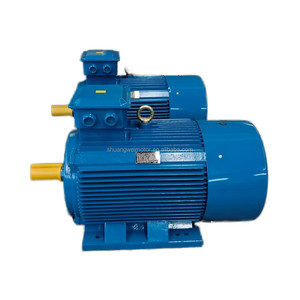
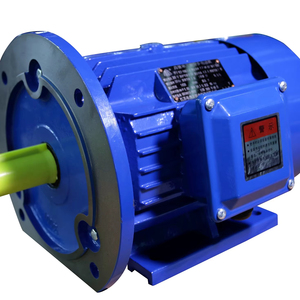
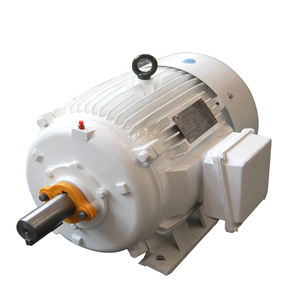
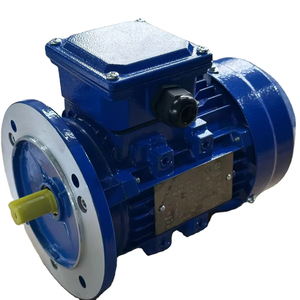
Integrating European quality assurance engineering with China's advanced manufacturing capabilities to deliver uncompromised safety and rapid global logistics.
Our manufacturing matrix supports full ATEX Directive 2014/34/EU compliance for Equipment Group II, Categories 2G, 3G, 2D, and 3D. Motors undergo rigorous hydrostatic testing (1.5x reference explosion pressure) to guarantee zero flame propagation across machine joints.
From marine-grade C5-M anti-corrosion coating to specialized shaft dimensions, SPM vibration monitoring nipples, and PT100 thermal sensors embedded in stator windings, we customize drive systems to fit unique OEM space constraints and application duties.
Backing operations with strategic warehousing (holding over 70,000 electric motors worldwide) and 24/7/365 field MRO service readiness. We ensure zero unscheduled downtime for oil & gas, marine, mining, and chemical process facilities.
Operating electric machinery in environments contaminated by flammable gases, vapors, mists, or combustible dust requires engineering precautions that extend far beyond standard industrial motor designs. An explosion inside an electrical motor can be triggered by arc sparks from winding failures, bearing friction heat, or electrostatic discharge. ATEX-certified explosion-proof motors from leading Chinese manufacturing facilities are designed to either contain an internal explosion without rupturing (Flameproof Ex d) or prevent any potential ignition source from occurring (Increased Safety Ex e / Non-Sparking Ex ec).
When procuring motors for Zone 1 or Zone 21 hazardous locations, engineers must evaluate the precise protection methodology mandated by safety risk assessments:
| Hazardous Zone | Atmosphere Condition | ATEX Category | Standard Protection Type | Typical Industrial Applications |
|---|---|---|---|---|
| Zone 1 (Gas) | Explosive gas mixture likely during normal operation | Category 2G | Ex d IIC T4 Gb / Ex eb IIC T4 Gb | Offshore Oil Platforms, Chemical Reactors, Refineries |
| Zone 2 (Gas) | Explosive gas mixture NOT likely, short duration if occurs | Category 3G | Ex ec IIC T3/T4 Gc | Gas Compression Stations, Paint Spraying Facilities |
| Zone 21 (Dust) | Combustible dust cloud likely during normal operation | Category 2D | Ex tb IIIC T135°C Db IP66 | Flour Mills, Coal Handling Plants, Chemical Silos |
| Zone 22 (Dust) | Combustible dust layer/cloud NOT likely, short duration | Category 3D | Ex tc IIIB T135°C Dc IP65 | Agricultural Grain Storage, Woodworking Plants |
The maximum surface temperature of an electric motor must always remain below the auto-ignition temperature of the surrounding flammable gas or dust layer. Explosion-proof motors manufactured in China undergo thermal qualification under rated load and fault conditions:
Operating explosion-proof motors with Variable Frequency Drives (VFDs) introduces high frequency voltage spikes ($dv/dt$) and shaft currents that can cause bearing fluting or premature insulation breakdown. China's top ATEX manufacturers integrate vacuum pressure impregnated (VPI) Class H insulation combined with insulated non-drive end (NDE) bearings and ceramic hybrid rolling elements. Furthermore, motors intended for VFD duty must feature positive temperature coefficient (PTC) thermistors directly wired to the drive trip circuit to prevent thermal overload in field operation.
As global carbon neutrality targets tighten and safety standards evolve, the procurement landscape for industrial explosion-proof motors is shifting toward four core technological pillars.
Industrial energy consumption regulations worldwide are pushing plant operators to replace legacy IE2/IE3 motors with IE4 and permanent magnet IE5 direct drives in hazardous zones. Incorporating low-loss silicon steel laminations and optimized rotor slot geometries reduces internal thermal losses, simultaneously enhancing safety margins and cutting long-term operational expenditure (OPEX).
Modern ATEX motors are increasingly outfitted with intrinsically safe (Ex ia) wireless vibration and temperature sensors. By streaming real-time diagnostic data to cloud dashboards or SCADA systems, plant maintenance teams can predict bearing wear or winding thermal degradation weeks before a failure occurs, avoiding cataclysmic downtime in remote offshore or refinery locations.
With the rapid scaling of green hydrogen electrolysis, ammonia synthesis, and carbon capture infrastructure, demand for specialized Gas Group IIC explosion-proof motors is surging. Chinese motor foundries are leading the development of reinforced cast-iron housings and modified flamepath geometries tailored to hydrogen's high flame velocity and low ignition energy thresholds.
Detailed technical answers to common queries raised by OEM engineering buyers, EPC contractors, and maintenance managers.
