
1. Executive Summary & HVAC Fan Motor Architecture Breakdown
In modern commercial buildings, industrial processing facilities, and marine HVAC infrastructures, electrical motors driving fans, blowers, and air-handling units (AHU) represent up to 40% of overall HVAC system energy consumption. As global regulatory bodies enforce strict decarbonization directives—such as the EU EcoDesign Directive (EU) 2019/1781 and US Department of Energy (DOE) efficiency mandates—procurement officers and system design engineers must re-evaluate their electric motor sourcing strategies.
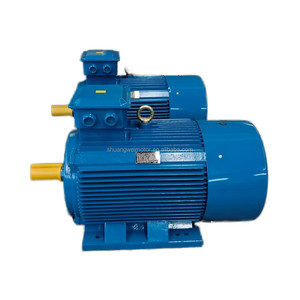
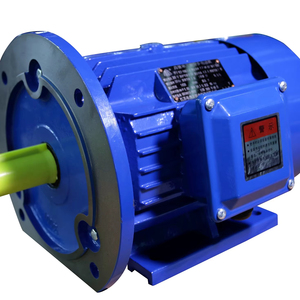
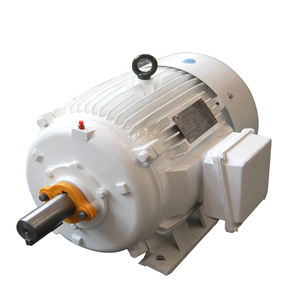
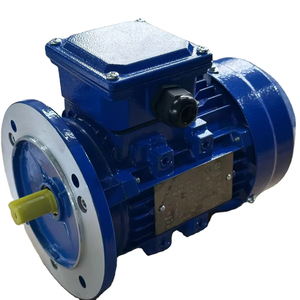
Sourcing HVAC fan electric motors wholesale from established OEM manufacturers in China has evolved beyond mere cost arbitrage. Today, leading Chinese OEMs offer sophisticated motor topologies engineered with premium silicon steel laminations, 100% electrolytic copper windings, advanced Class H/F insulation systems, and precision-balanced rotors designed for low acoustic footprints and multi-decade service life under continuous (S1) duty cycles.
Key Procurement Insight: Upgrading an HVAC blower system from standard IE2 asynchronous motors to IE4 Super Premium or EC/BLDC motor systems yields an average payback period of 8 to 14 months, while reducing system thermal stress and total operating noise by 3 to 6 dB(A).
2. Comparative Analysis of HVAC Motor Topologies
Selecting the optimal fan motor requires balancing starting torque, operational speed control, thermal dissipation, and long-term reliability against system pressure curves. Below is an engineering comparison of the primary electric motor topologies utilized in modern wholesale HVAC applications:
| Motor Topology | Efficiency Class | Speed Control Method | Acoustic & Vibration Profile | Ideal HVAC Fan Applications |
|---|---|---|---|---|
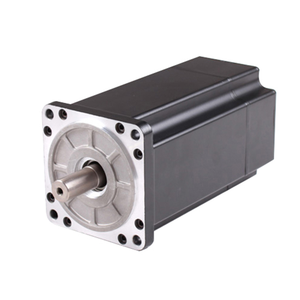
| Electronically Commutated (EC / BLDC) | IE5+ Ultra-Premium | Integrated PWM / Modbus / 0-10V | Ultra-quiet, low resonance across speeds | VAV Box Systems, AHU Direct-Drive Plug Fans, Cleanroom FFU |
| 3-Phase Permanent Magnet Synchronous (PMSM) | IE4 to IE5 | External Variable Frequency Drive (VFD) | Minimal rotor heat generation, ultra-smooth | Heavy-Duty Industrial Centrifugal Blowers, Marine Chillers |
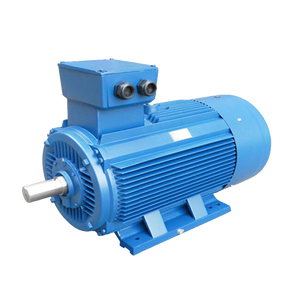
| 3-Phase AC Induction (YE3 / NEMA Premium) | IE3 Super Premium | VFD or Direct-on-Line (DOL) | Robust industrial baseline, standard low noise | Commercial Roof Top Units (RTU), Exhaust Fans, Cooling Towers |
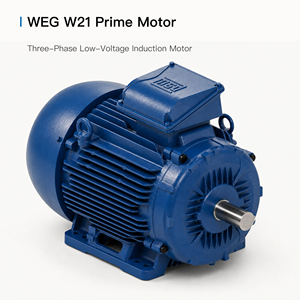
| Heavy Cast Iron Asynchronous (Y3 / WEG W21 Style) | IE3 / IE4 Premium | Soft Starter or Inverter Duty VFD | Heavy structural dampening, vibration-resistant | Mine Ventilation, High-Static Exhaust, Chemical Facility HVAC |
3. Thermal Management, Bearing Life (L10h), & Ingress Protection
Fan electric motors installed in commercial rooftop units (RTU) or marine air handling rooms operate under harsh ambient conditions, including high humidity, airborne particulates, and temperature fluctuations ranging from -25°C to +60°C. OEM reliability relies on three critical engineering pillars:
A. Bearing System Optimization (L10h Calculation)
Bearings are the primary mechanical wear element in HVAC fan motors. High-quality Chinese fan motor manufacturers utilize pre-greased, double-shielded deep groove ball bearings (e.g., SKF, NSK, or premium C3-clearance domestic equivalents) filled with synthetic polyurea grease capable of withstanding continuous operating temperatures up to 160°C. Standard L10h bearing fatigue life is rated at minimum 40,000 hours for direct-drive fan applications, expanding to >100,000 hours under ideal alignment and dynamic balancing standards (ISO 1940-1 Grade G2.5).
B. Insulation Systems and Inverter-Duty Compliance
When HVAC fans are driven by Variable Frequency Drives (VFDs), the motor windings are subjected to high peak voltage spikes (dv/dt) caused by Pulse Width Modulation (PWM). Premium HVAC OEM motors feature vacuum pressure impregnated (VPI) Class H insulation (rated to 180°C) with corona-resistant magnet wire and phase insulation barriers. This prevents inter-turn dielectric breakdown and neutralizes bearing fluting caused by shaft-induced currents when paired with grounding rings or insulated end-shields.
C. Ingress Protection Standards (IP55 to IP66)
For outdoor condensation units and marine deck ventilation fans, motors must prevent water ingress and dust particulate accumulation. Standard commercial HVAC fan motors feature IP55 protection with drain holes for condensation release. For harsh marine, chemical, or washdown environments, IP56 or IP66 enclosures with stainless steel hardware and vitreous shaft seals are specified.