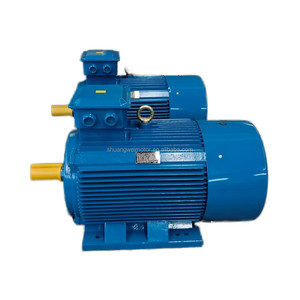
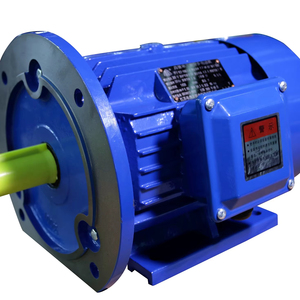
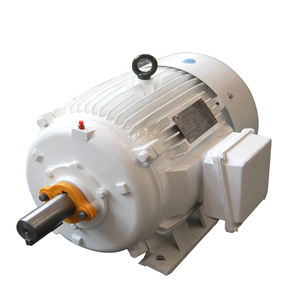
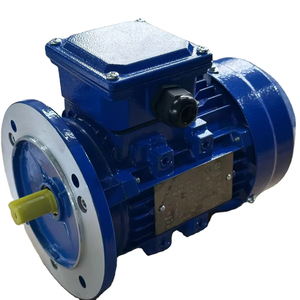
Explore our OEM marine-certified electric motor series engineered for extreme salt-spray, IP56/IP66 waterproof protection, and high transient overload duty cycles.
A authoritative analysis on thermal rating, duty cycles, anti-corrosion chemistry, and class society compliance for China manufacturing hubs.
Ship deck machinery—including anchor windlasses, mooring winches, cargo cranes, and tug capstans—operates under the most punitive conditions in the electromechanical industry. Motors mounted on open decks face continuous salt-fog exposure, green sea washing, thermal shock from direct solar radiation, and extreme torque fluctuations during vessel heave and sway.
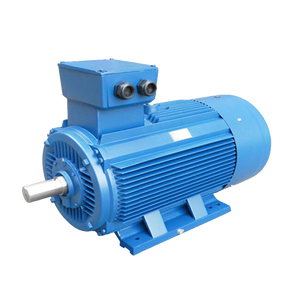
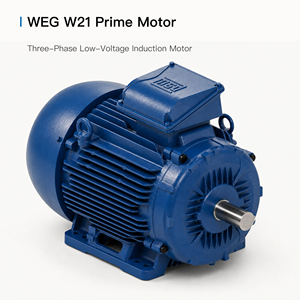
Leading Chinese marine deck motor manufacturers have transitioned from generic industrial motor retrofits to specialized Marine-Grade Three-Phase Asynchronous Induction Motors built specifically to mitigate moisture ingress, thermal breakdown, and structural fatigue under high mechanical stress.
Standard IP55 industrial motors fail prematurely on vessel decks due to water suction caused by internal pressure dynamics during cooling cycles. Advanced marine factories mandate IP56 (Heavy Deck Washing) or IP66 (Dust-tight and Powerful Water Jets) ratings compliant with IEC 60529.
Exterior surface protection utilizes multi-layer epoxy resin system coatings meeting ISO 12944-6 C5-M (Marine High Corrosion) specifications. This includes zinc-rich primers, epoxy intermediate barrier layers, and polyurethane topcoats capable of surviving 1,500+ hours of continuous salt-spray testing under ASTM B117 standards.
Understanding S2 short-time duty and S3 intermittent periodic duty in deck winch performance.
Designated for equipment operating under continuous load, such as marine ventilation blowers, continuous fluid transfer pumps, and dynamic positioning thrusters. Motor insulation is rated for continuous thermal equilibrium without exceeding Class F temperature rise limits (80K).
Anchor windlasses require massive torque for short durations (typically 30 minutes continuous hoisting during vessel unmooring). S2-30min rated motors leverage higher thermal inertia, delivering up to 250-300% starting breakdown torque while preventing winding burnouts before heat dissipates.
Mooring winches operate under repetitive start-stop, tension-holding sequences (e.g., S3-40% duty factor). Motors incorporate heavy-duty fail-safe electromagnetic disc brakes, low-inertia copper rotors, and high-frequency start-withstanding stator insulation systems.
Top-tier China marine motor factories apply Class H insulation materials (synthetic mica, aromatic polyamide paper) with Class F (105K) temperature rise limits. All stators undergo double Vacuum Pressure Impregnation (VPI) using solvent-less epoxy resin. This process completely eliminates micro-voids, locks copper wire coils against electromagnetic vibration, and prevents moisture ingress under 100% relative humidity ambient deck conditions.
Direct technical comparison highlighting why standard off-the-shelf motors fail in maritime applications.
| Technical Parameter | Standard Industrial Motor | China Premium Marine Deck Motor | Operational Impact on Vessels |
|---|---|---|---|
| Ingress Protection | IP54 / IP55 | IP56 / IP66 / IP67 (Deck Mount) | Prevents water ingress during heavy waves & high-pressure deck washing. |
| Paint System | C2 / C3 Alkyd Primer (80µm) | C5-M Heavy Epoxy-Polyurethane (240µm+) | Resists marine rust, salt fog corrosion, and UV paint degradation. |
| Duty Cycle Rating | S1 Continuous Only | S1, S2-30min, S3-40%, S6 Marine Duty | Prevents thermal tripping during high-load winch pulling & anchoring. |
| Frame Material | Aluminum / Standard Gray Iron | Ductile Cast Iron (QT450 / HT250) | Withstands severe deck mechanical shock, hull flex, and high torque loads. |
| Space Heaters | Optional / Rare | Standard Anti-Condensation Heaters (220V) | Eliminates internal moisture condensation when motor is idle in cold seas. |
| Class Certification | CE / CCC Industrial Only | DNV, ABS, CCS, BV, LR, NK, RINA | Mandatory for vessel class approval, insurance, and maritime compliance. |
| Breakdown Torque | 2.0 - 2.2 Tmax/Tn | 2.5 - 3.0 Tmax/Tn | Provides power reserves to break free stuck anchors and heavy sea currents. |
Combining 50+ years of application engineering heritage with modern global supply chain logistics.
China's top marine deck machinery motor factories maintain active partnerships with major classification societies worldwide. Every motor series can be delivered with type approval certificates or individual unit inspection certificates from DNV, ABS, CCS, Bureau Veritas (BV), Lloyd's Register (LR), and RINA.
Deck winch manufacturers require diverse shaft extensions (splined shafts, tapered shafts, dual-ended power take-offs) and specialized brake integration. Factories offer full OEM flexibility, custom-machining B3, B5, B35, or V1 flange configurations from high-tensile nodular cast iron.
Minimizing vessel downtime is non-negotiable. Leading hubs back their production with extensive buffer inventories—maintaining thousands of finished motors and semi-finished component frames ready for rapid customization, voltage conversion, and immediate export dispatch.
How decarbonization, smart IoT monitoring, and electro-hydraulic transitions are reshaping deck motor manufacturing.
Shipyards are rapidly replacing traditional hydraulic deck winches with direct electric variable-frequency drives (E-Drives). Electric deck machinery eliminates fluid leak risks, reduces energy consumption by up to 35%, reduces maintenance overhead, and delivers precise torque control at zero speed.
Driven by IMO EEXI and CII compliance, marine electric motors are shifting from standard IE2/IE3 asynchronous designs to IE4 Super Premium and IE5 Ultra Premium Permanent Magnet Synchronous Motors (PMSM). These offer higher torque density in smaller frame sizes, saving critical deck weight.
Next-generation deck motors integrate vibration analysis sensors, PT100 bearing thermal probes, and stator winding insulation monitoring modules. Connected directly to vessel IAS (Integrated Automation Systems), these sensors enable predictive maintenance before catastrophic failure occurs at sea.
As variable frequency drives become standard on deck machinery, marine motors are equipped with insulated non-drive-end bearings (ceramic coating or hybrid ceramic balls) and reinforced VFD winding insulation to prevent micro-discharge bearing fluting and shaft voltage breakdown.
Addressing critical engineering questions raised by shipyards, OEM winch builders, and marine procurement directors.
Partner with China's leading marine deck machinery motor manufacturer. Our application engineers are available 24/7 to review your torque diagrams, vessel class requirements, and duty cycles.
