0%

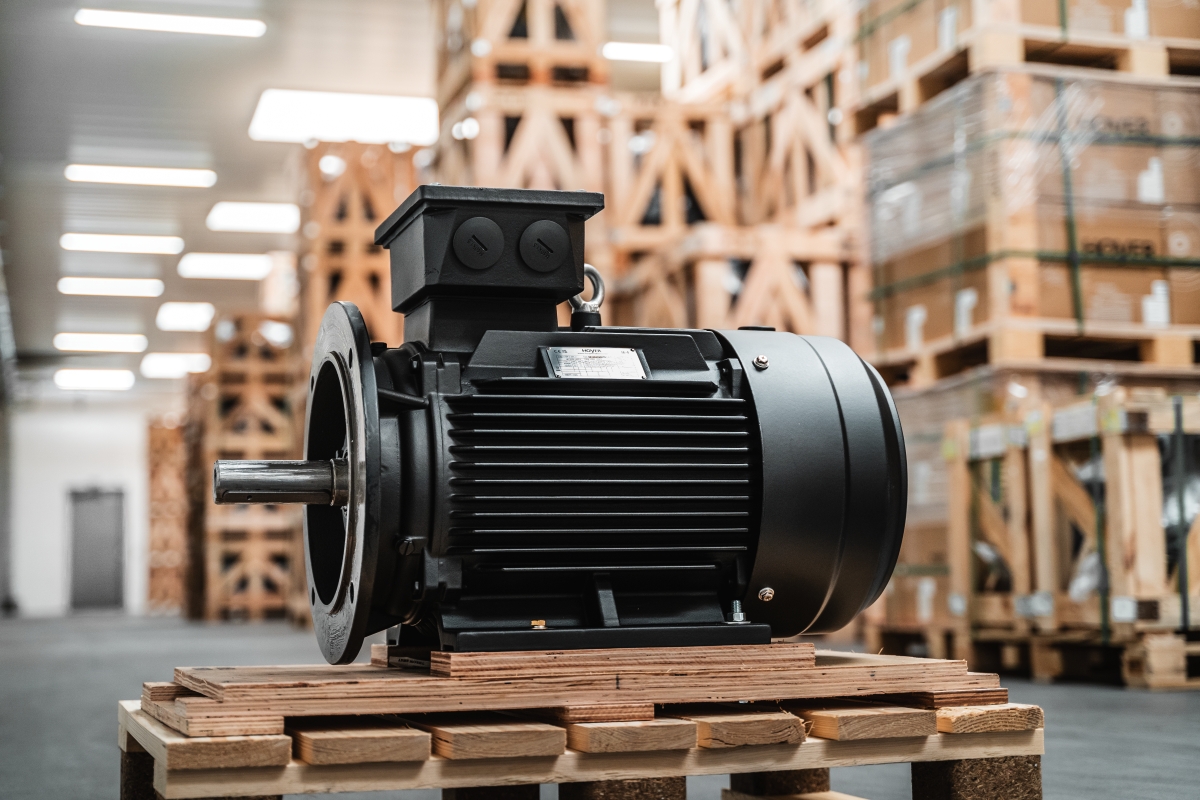
Choosing the right Marine electric motors can transform a boat’s performance, comfort, and operating cost. A quiet motor may glide through a harbor, while a poorly matched unit can drain batteries before reaching open water. The correct decision requires more than comparing horsepower or purchase prices.

Boat owners should examine propulsion needs, hull weight, cruising speed, battery capacity, and expected range. A motor for a lightweight fishing boat has different demands from one installed on a heavy cabin cruiser. Voltage, continuous power, shaft length, cooling design, and propeller compatibility also matter. Saltwater exposure makes corrosion protection essential. Sealed connections and a suitable ingress protection rating can prevent expensive failures.

Small details matter.

Reliable selection begins with verified specifications and realistic operating conditions. Manufacturers should provide clear performance curves, warranty terms, installation guidance, and service support. Independent testing, qualified marine technicians, and feedback from experienced boat operators can reveal weaknesses that brochures may overlook. A motor rated for peak power might not sustain that output during long passages, especially in warm water or strong currents.

Do not ignore the charging system. A powerful motor paired with undersized batteries creates frustration, not efficiency. Battery chemistry, charger capacity, cable size, and emergency reserves must work together. The best choice is not always the fastest motor. It should deliver dependable thrust, manageable noise, practical range, and safe maintenance over many seasons. Even careful planning has limits. Weather changes, aging batteries, and changing loads can alter real-world performance. Evaluate those uncertainties before committing to a system.
How to Choose Marine Electric Motors for Your Boat?

Define the Boat’s Electric Motor Requirements

Before choosing a marine electric motor, define the boat’s real operating requirements. Record displacement, hull type, propeller diameter, cruising speed, maximum speed, and expected current. A lightweight dinghy needs different torque from a heavy displacement cruiser. Do not size the motor from horsepower alone. Measure the propeller load across the planned speed range. In practice, a sea trial often reveals unexpected drag, especially with fouled hulls or oversized propellers.

Calculate continuous and peak power separately. Continuous power supports normal cruising, while peak power handles acceleration, waves, and docking. Estimate usable battery energy from route distance, cruising power, reserve capacity, and hotel loads.

The International Energy Agency reported average battery pack prices near 139 USD per kWh in 2023, but marine installation costs can be far higher because of cooling, protection, and certification. That figure is only a reference.

Voltage matters. Higher voltage can reduce current, cable weight, and heat, but it demands stricter insulation and maintenance procedures.

Check the motor’s cooling method, ingress protection, corrosion resistance, controller compatibility, and duty rating.

ISO 16315 addresses electric propulsion systems for small craft, while classification guidance from DNV stresses safe battery integration and operational limits.

Choose equipment rated for continuous saltwater exposure, not occasional freshwater use.

Some calculations will be wrong. Recheck them against measured speed, current, temperature, and battery performance after installation.

Match Motor Power, Voltage, and Battery Capacity

How to Choose Marine Electric Motors for Your Boat?

Choosing a marine electric motor starts with matching power to the boat’s real operating conditions. Hull weight, current, wind, and cruising speed all affect demand. A motor rated at 5 kW may not deliver efficient cruising power on a heavy displacement boat. Check continuous power, not only the short-term peak rating. During a dockside test, measure current while accelerating and while cruising. The cruising figure usually matters more.

Voltage must match the motor controller, battery pack, charger, and protection equipment. A higher-voltage system often draws less current for the same power. This can reduce cable size and heat, but insulation and connection quality become more important. Never guess from cable appearance. Follow the equipment manuals and have a qualified marine electrician verify the installation. Saltwater makes small weaknesses worse.

Battery capacity needs more than a simple amp-hour comparison. Multiply voltage by amp-hours to estimate stored energy in watt-hours. Then allow for conversion losses, temperature, battery age, and a reserve. For example, a 48-volt, 200-amp-hour battery stores about 9.6 kWh before losses. At a continuous 4 kW load, usable runtime will be shorter than 2.4 hours. My first estimates often looked too generous because I ignored waves and frequent acceleration. Add current limits, ventilation, waterproof enclosures, and realistic charging time before selecting the motor.

Choose the Right Motor Type for Marine Conditions

Choosing a marine electric motor starts with the water, not the horsepower chart. Salt spray, condensation, vibration, and limited ventilation can damage unsuitable equipment quickly. For small boats, a sealed brushless DC motor offers quiet operation, efficient speed control, and fewer wearing parts. A brushed DC motor may cost less, but its brushes require periodic inspection and replacement.

Larger propulsion or auxiliary systems often use AC induction motors with a compatible inverter. They handle continuous duty well and can deliver steady torque under changing loads. However, the inverter must match the motor’s voltage, frequency, and cooling requirements. Check the enclosure rating, insulation class, corrosion protection, and marine certification before installation. “Water-resistant” is not the same as fully protected.

Sizing also depends on propeller load, battery capacity, cruising speed, and expected operating hours. A motor that performs well during a short dock test may overheat after an hour offshore. Leave space for airflow and keep cable connections above likely bilge water. Inspect terminals for salt deposits. Small details matter. One common mistake is choosing maximum power without checking the cooling path. I would also recheck the duty cycle after loading the boat, because passengers, fuel, and rough water can change the motor’s real workload.

How to Choose Marine Electric Motors for Your Boat? - Choose the Right Motor Type for Marine Conditions

Selection Dimension Typical Options Best Fit for Marine Use Advantages Limitations and Checks
Motor Type Permanent-magnet DC, brushless DC, induction AC, or synchronous AC Brushless DC for compact electric propulsion and auxiliary systems; induction or synchronous AC for larger systems with an inverter Brushless designs reduce brush wear; AC motors can provide durable, continuous operation Confirm compatibility with the controller, battery voltage, inverter, propeller, and intended duty cycle
Boat Application Propulsion, bow or stern thruster, winch, bilge pump, ventilation fan, steering system, or refrigeration Select propulsion motors for sustained load; select auxiliary motors according to intermittent or continuous service requirements Matching the motor to the application improves reliability and energy use A motor designed for a short-duty winch or thruster may not be suitable for continuous propulsion
Rated Voltage 12 V, 24 V, 48 V DC, or higher-voltage DC/AC systems 12 V and 24 V for many small auxiliary loads; 48 V or higher for higher-power propulsion to reduce current Higher system voltage generally reduces current and cable losses for the same power The battery, charger, fuse, disconnect, controller, cabling, and motor must be voltage-compatible; higher-voltage systems require additional electrical safety controls
Continuous Power Rating Choose according to required thrust, boat displacement, speed, and auxiliary load Use the continuous rating for long-duration cruising; use peak power only for short acceleration or maneuvering Reduces overheating and avoids selecting a motor based only on short-term peak output Do not compare peak ratings from different motors without checking the test conditions, cooling method, and duration
Duty Cycle Intermittent, short-time, or continuous operation Continuous-duty motors for propulsion, pumps, and refrigeration; intermittent-duty motors for thrusters, anchors, and winches The correct duty rating helps control winding temperature and service life Check the permitted run time, rest interval, ambient temperature, load profile, and overload capability
Environmental Protection Select an enclosure rating suitable for splash, spray, condensation, and temporary immersion risk A sealed, marine-suitable enclosure for exposed or damp locations; a lower protection level only in a clean, dry, protected compartment Better protection limits ingress of water and solid particles An IP rating does not automatically prove resistance to seawater corrosion, pressure washing, or permanent immersion; verify the complete installation requirements
Cooling Method Natural air cooling, forced-air cooling, water-jacket cooling, or liquid cooling Water or liquid cooling for high continuous loads; sealed air-cooled motors for suitable lower-power applications Effective cooling helps maintain rated output and reduces thermal stress Water-cooled systems need strainers, hoses, pumps or circulation paths, leak protection, and regular inspection
Corrosion Resistance Marine-grade coatings, corrosion-resistant fasteners, sealed bearings, protected connectors, and suitable shaft materials Essential for saltwater exposure, engine rooms, bilge areas, and open-deck installations Improves resistance to salt spray, humidity, galvanic corrosion, and condensation Rinse exposed components with fresh water when appropriate, keep electrical connections sealed, and avoid dissimilar-metal contact without proper isolation
Speed and Torque Control Fixed-speed switching, electronic speed controller, or variable-frequency drive Electronic control for propulsion, thrusters, and equipment requiring smooth acceleration or variable speed Provides smoother maneuvering, soft starting, and better control of power consumption The controller must match motor type, current, voltage, feedback sensors, electromagnetic compatibility, and cooling requirements
Efficiency and Battery Use Compare motor, controller, inverter, and battery-system efficiency at the expected operating load High-efficiency brushless or synchronous systems are often advantageous where cruising range and battery capacity are priorities Lower losses can extend operating time and reduce heat generation Published peak efficiency may not represent real performance at low speed, partial load, or frequent acceleration
Noise and Vibration Low-noise motor, balanced rotating assembly, resilient mounts, and correctly aligned shaft or coupling Important for sailing boats, passenger boats, fishing vessels, and enclosed cabins Improves passenger comfort and can reduce mechanical fatigue Propeller imbalance, shaft misalignment, damaged bearings, and unsuitable mounts can create noise even when the motor itself is quiet
Installation Space and Weight Check dimensions, mounting pattern, shaft position, service clearance, cable bend radius, and total system weight Compact, sealed motors for limited compartments; lighter systems where weight distribution affects trim or payload Correct packaging simplifies installation and maintenance Allow airflow or cooling access, drainage, inspection clearance, and safe routing for power and control cables
Safety and Compliance Overcurrent protection, isolation, grounding or bonding, emergency stop, insulation protection, and appropriate marine electrical practices All installations, especially high-power or high-voltage systems Reduces risks from electric shock, fire, overheating, short circuits, and unintended starting Use qualified marine electrical personnel and follow the applicable regulations, vessel standards, and equipment instructions
Selection reminder: Choose the motor from the complete operating profile—not from horsepower alone. Confirm continuous load, peak load, duty cycle, battery capacity, cooling, enclosure protection, corrosion exposure, controller compatibility, and installation safety before purchase.

Evaluate Propulsion, Mounting, and Steering Compatibility

How to Choose Marine Electric Motors for Your Boat?

Choosing a marine electric motor starts with propulsion compatibility. Match motor output to hull weight, cruising speed, and operating conditions. A displacement hull needs steady thrust, not excessive peak power. A planing hull may require higher output and careful propeller selection. Check the motor’s continuous rating, not only its advertised maximum. Calculate battery capacity from expected travel time, current draw, and reserve power. Wind, waves, and extra passengers can quickly increase demand. Your first estimate may be wrong.

Mounting details deserve equal attention. Measure the transom thickness, bolt spacing, shaft length, and available clearance. Confirm the motor can maintain the correct shaft angle during acceleration. A poorly aligned shaft may cause vibration, noise, and uneven bearing wear. The mounting plate must resist repeated thrust loads. Use corrosion-resistant fasteners and seal every penetration properly. I have seen neat installations fail because the mounting surface was slightly flexible. It looked safe at the dock.

Steering compatibility affects control and safety. Confirm whether the motor supports a tiller, wheel steering, or an electronic control system. Check turning clearance around the rudder, propeller, and motor housing. The steering system should handle the motor’s torque without excessive play. Make sure manual steering remains possible if power or electronics fail. Some installations need a separate rudder, while others steer through motor rotation. Test slow-speed handling before open-water use. A qualified marine electrician should inspect wiring, isolation, fuses, and emergency shutoff placement.

How to Choose Marine Electric Motors for Your Boat?

Evaluate Propulsion, Mounting, and Steering Compatibility

The chart shows the approximate DC input current required to deliver a continuous 10 kW propulsion load at different system voltages, assuming 85% overall electrical efficiency. Higher-voltage systems reduce current and may allow smaller cables and lower voltage drop, but the motor, controller, battery, charger, protection devices, and wiring must all share compatible ratings.

Before installation, confirm that the motor mount matches the boat’s transom, pod, or shaft arrangement; the shaft alignment and propeller clearance are suitable; and the steering system can operate the selected outboard, pod, or rudder linkage through its full range without interference.

Compare Safety Features, Maintenance, and Total Cost

Choosing a marine electric motor starts with safety, not speed. A marine-rated motor should resist water, salt spray, vibration, and heat. Check its enclosure rating and insulation quality carefully. Thermal overload protection can prevent damage during long climbs or heavy current demand. A correctly sized fuse, breaker, and emergency disconnect are equally important. I once focused too heavily on rated power and overlooked cable length. That mistake caused unnecessary voltage loss and extra heat.

Maintenance affects reliability and long-term cost. Inspect cable terminals for corrosion before each season. Keep connections dry, tight, and protected with suitable marine-grade materials. Examine cooling passages, shaft seals, mounting bolts, and battery connections regularly. Record unusual noise, vibration, or rising temperatures. These small signs often appear before a costly failure. A qualified marine electrician should verify the installation, especially in confined engine spaces.

Tips: Compare the complete ownership cost, not only the motor price. Include batteries, chargers, controllers, cables, installation, inspections, and eventual replacement parts. A cheaper motor may require more frequent service or larger batteries. Ask for realistic operating data under your boat’s actual load. Calm-water testing can mislead you. Wind, waves, passengers, and fouled hulls increase energy use. Leave a practical reserve instead of planning every trip around maximum range. My early estimates were too optimistic, and real conditions exposed that weakness quickly.

FAQS

: How do I match motor power to my boat?

: Consider hull weight, wind, current, waves, passengers, and cruising speed. A 5 kW motor may struggle with a heavy displacement boat. Check continuous power, not only peak power. Real conditions matter.

Should I measure power during a dockside test?

Yes. Measure current during acceleration and steady cruising. Cruising demand usually gives more useful information. A short test can hide overheating or excessive battery use.

How should I match system voltage?

Motor, controller, battery, charger, cables, and protection devices must share compatible voltage ratings. Higher voltage can reduce current, cable size, and heat. Insulation and connection quality become more important.

How much energy does a 48-volt, 200-amp-hour battery store?

It stores about 9.6 kWh before losses. A continuous 4 kW load suggests less than 2.4 hours of practical runtime. Include conversion losses, temperature, battery age, acceleration, waves, and reserve capacity.

Which motor type suits marine conditions?

A sealed brushless motor can suit smaller boats because it runs quietly and has fewer wearing parts. A brushed motor may cost less, but its brushes need inspection and replacement. Larger systems may use induction motors with suitable inverters.

Is water-resistant equipment fully protected?

No. Water-resistant does not mean fully protected against saltwater, condensation, or bilge splashes. Check enclosure ratings, insulation, corrosion protection, cooling needs, and marine certification. Keep connections above likely bilge water.

What safety equipment should an electric boat motor include?

Use correctly sized fuses, breakers, thermal overload protection, and an emergency disconnect. Protect cables from heat, vibration, and moisture. A qualified marine electrician should verify the installation.

How can I estimate total ownership cost?

Include the motor, battery, charger, controller, cables, installation, inspections, service, and replacement parts. A cheaper motor may require larger batteries or more maintenance. I once focused on motor price and missed cable losses.

How often should I inspect a marine electric motor system?

Inspect terminals, cooling passages, shaft seals, mounting bolts, and battery connections regularly. Look for salt deposits, unusual noise, vibration, or rising temperatures. Small warnings matter. Recheck the system after loading the boat.

Conclusion

Choosing the right marine electric motors begins with clearly defining your boat’s operating needs, including vessel size, weight, cruising speed, intended range, water conditions, and typical usage. Motor power should be matched with the boat’s voltage system and battery capacity to achieve reliable performance without excessive energy consumption. It is also important to select a motor type designed for marine environments, with suitable protection against moisture, corrosion, vibration, and temperature changes.

A complete evaluation should consider propulsion efficiency, mounting arrangements, steering control, and compatibility with the boat’s hull and existing electrical systems. Safety features such as overload protection, emergency shutoff functions, insulation, and battery monitoring can improve confidence on the water. Finally, compare maintenance requirements, expected service life, installation complexity, and total ownership cost rather than focusing only on the purchase price. A well-matched system can provide quieter operation, easier handling, dependable performance, and efficient long-term boating.

Julian

Julian

Julian is a seasoned marketing professional dedicated to helping businesses understand products, markets, and practical solutions through clear, insightful communication. With a strong knowledge of the company’s offerings, he regularly publishes expert articles on the company website, sharing......